
DbcultAccessing Vault...
Director's Spotlight
Senior Film Conservator
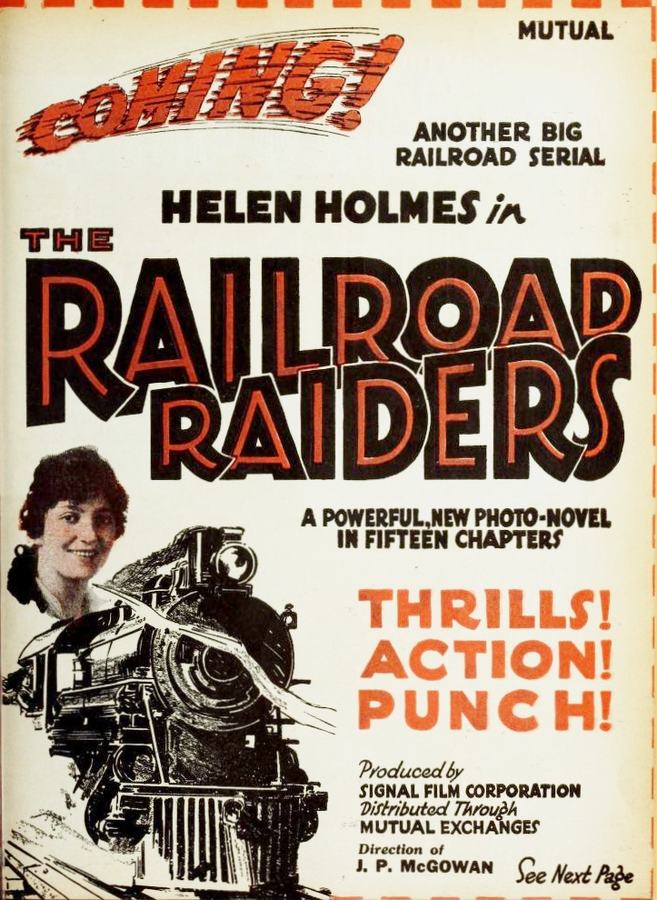
Director's Spotlight: United States
A Deep Dive into the 1917 Vision of Helen Holmes
When we examine the cinematic landscape of United States, The Railroad Raiders emerges as a landmark work of the enduring legacy of Helen Holmes's artistic contribution to the genre. Through a lens of existential fatalism and cult tropes, it captures a specific kind of cinematic magic that is rarely replicated.
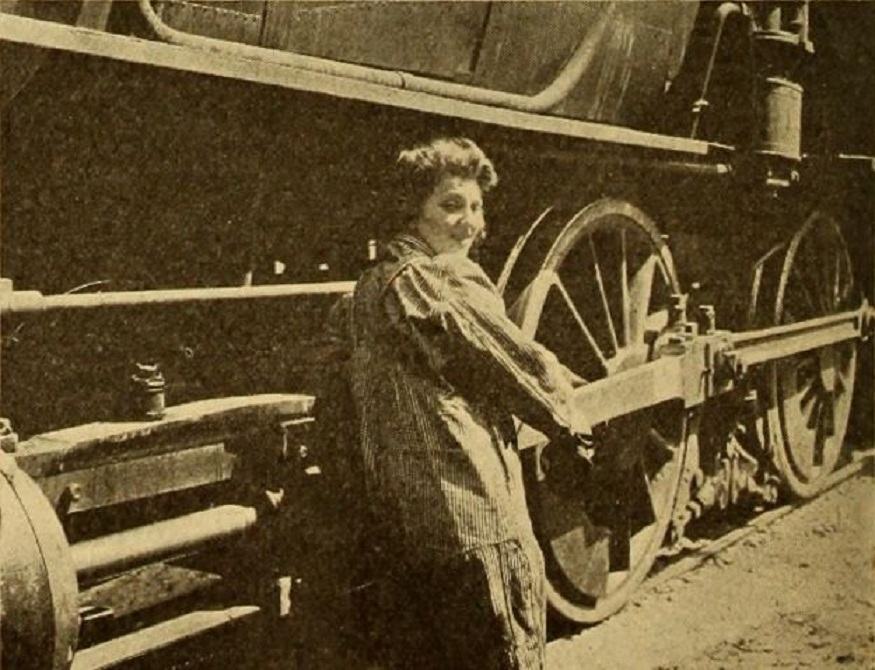
In The Railroad Raiders, Helen Holmes pushes the boundaries of conventional narrative. The film's unique approach to its subject matter has sparked endless debates and interpretations among cinephiles and critics alike.
| Cinematography | Static |
| Soundtrack | Experimental |
| Editing | Invisible |
| Art Direction | Kitsch |
Visualizing the convergence of Helen Holmes's style and the core cult narrative.
Chapter 12 - A Fight for the Franchise: Helen Holmes (Helen Holmes) and Roy Wilson (William Brunton), president of the K and W Railroad, become suspicious of the dealings of Thomas Desmond (J.P. McGowan), the railroad superintendent, with Boss Hogan concerning the railroad company that will be granted the Copper City franchise. Through an open window at Desmond's house, they overhear the plot to double-cross them and give the plot to The Eastern Railroad Company. They see the contract placed in a desk and overhear the scheme to send Wallace Burke (Leo D. Maloney) to Copper City the next day to get Hogan's signature. They make a copy of the contract and place the A and K Railroad on the franchise line. They them secure the services of Lightfingered Tom (Marvin Martin), to pick Burke's coat pocket and switch the contracts. ,
Decades after its release, The Railroad Raiders remains a vital piece of the cinematic puzzle. Its influence can be seen in countless modern works, solidifying Helen Holmes's status as a master of the craft in United States and beyond.