
DbcultAccessing Vault...
Director's Spotlight
Senior Film Conservator
Director's Spotlight: United States
A Deep Dive into the 1926 Vision of Henri Diamant-Berger
As we revisit the 1926 masterpiece The Unfair Sex, we are struck by the atmospheric immersion that Henri Diamant-Berger achieves throughout The Unfair Sex. Exploring the nuances of the human condition with Drama flair, it solidifies Henri Diamant-Berger's reputation as a master of the craft.
In The Unfair Sex, Henri Diamant-Berger pushes the boundaries of conventional narrative. The film's unique approach to its subject matter has sparked endless debates and interpretations among cinephiles and critics alike.
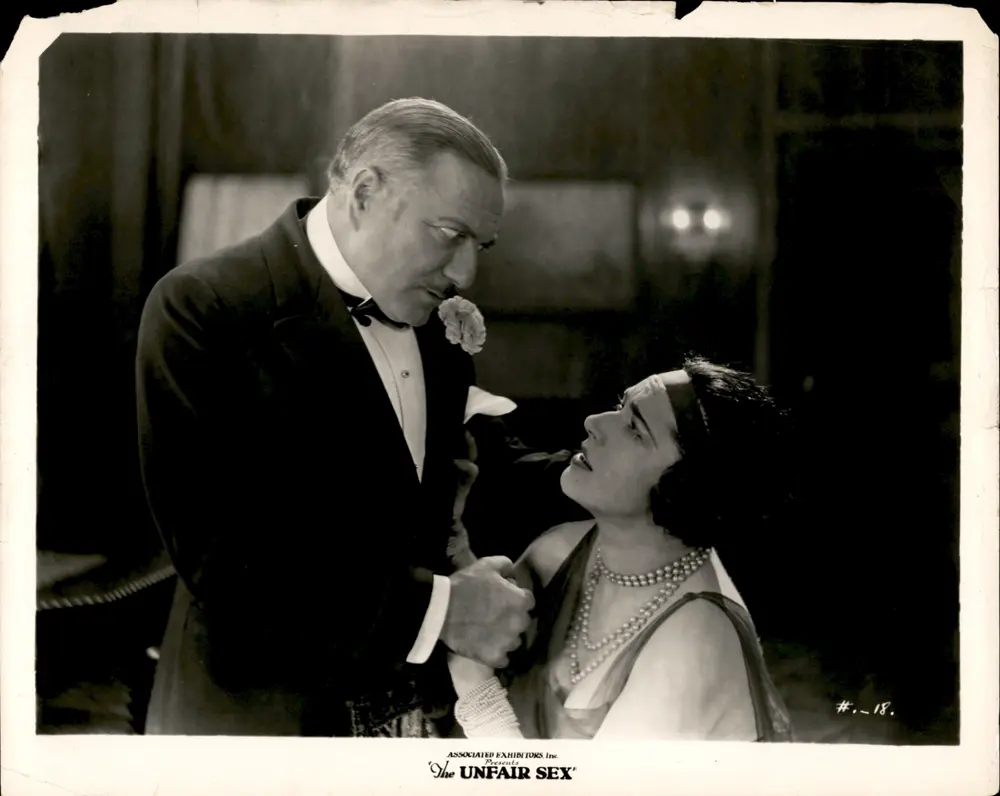
The visual language of The Unfair Sex is defined by its use of shadows and framing, a hallmark of Henri Diamant-Berger's style. By utilizing a 1926-era palette, the film creates an immersive experience that perfectly complements its Drama themes.
| Cinematography | Static |
| Soundtrack | Minimalist |
| Editing | Disjunctive |
| Art Direction | Baroque |
Visualizing the convergence of Henri Diamant-Berger's style and the core Drama narrative.
On the night that Shirley Chamberlain's father announces her engagement to Billy Emerson, her childhood sweetheart, Don Calvert, a stranger from the city, is present. Learning that Billy is to spend a year establishing himself before the marriage, Calvert invites him to New York; and following a tearful farewell he sets out. Calvert arranges for Billy to become infatuated with Blanchita D'Acosta, a revue star, then summons Shirley to the city; but when Calvert undertakes a flirtation with Shirley, Blanchita becomes violently jealous. At a nightclub with Calvert, Shirley pretends to be gay and frivolous, shocking Billy and provoking his wrath. Drugged by Calvert, she is taken to his apartment; Billy arrives to find her defying him for stealing her jewels, rescues her, and takes her home.
Decades after its release, The Unfair Sex remains a vital piece of the cinematic puzzle. Its influence can be seen in countless modern works, solidifying Henri Diamant-Berger's status as a master of the craft in United States and beyond.