
DbcultAccessing Vault...
Director's Spotlight
Senior Film Conservator
Director's Spotlight: United States
A Deep Dive into the 1916 Vision of Henry J. Vernot
The thematic gravity of The Dead Alive (1916) is rooted in the artistic risks taken by Henry J. Vernot that eventually paid off. Defining a new era of United States artistic expression, it demands to be seen by anyone who cares about the art of film.
In The Dead Alive, Henry J. Vernot pushes the boundaries of conventional narrative. The film's unique approach to its subject matter has sparked endless debates and interpretations among cinephiles and critics alike.
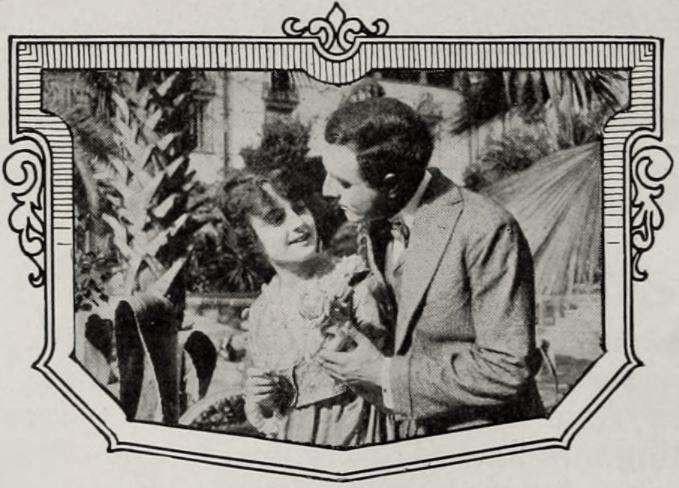
The visual language of The Dead Alive is defined by its use of shadows and framing, a hallmark of Henry J. Vernot's style. By utilizing a 1916-era palette, the film creates an immersive experience that perfectly complements its cult themes.
| Cinematography | Noir-Inspired |
| Soundtrack | Orchestral |
| Editing | Slow-Burn |
| Art Direction | Brutalist |
Visualizing the convergence of Henry J. Vernot's style and the core cult narrative.
Old Jim loses his money in the gambling house of "Doc" Ardini, an international crook. Feeling sorry for the old man, Ardini gives him a job. He will not write his motherless twin daughters that he is down and out. They come to the city to earn their living. Jessie secures a position in a department store, and Mary gets a place in the chorus of a musical comedy. They keep house for their father, who pretends he has honest employment. At her place of business. Jessie is seen and admired by William Stuyvesant, a young millionaire. After meeting her and impressing her with the honesty of his intentions, Stuyvesant asks Jessie to marry him. Before she can reply, word comes that her father has killed a man when the police raid Ardini's resort. Learning of her father's calling and his arrest for murder, Jessie feels she cannot marry Stuyvesant. Without telling him why, she declines his offer and moves to escape his attentions. She merely writes that there is a terrible secret in her life that makes her marriage impossible. She has also kept from him that she has a twin sister who is on the stage. However, Stuyvesant learns her new address. He visits her and persuades her to marry him. Old Jim will not give his right name, and after a trial is sent to prison for ten years under the name of Jim O'Connor. Ardini is imprisoned three months for keeping a gambling house. On leaving prison, Ardini is in need of money. He learns of Jessie's marriage and also that Stuyvesant does not know of old Jim's disgrace and Mary's stage career. Getting Mary under his hypnotic power, he sends her to Jessie for money to keep from revealing the family secrets. Jessie is killed in an automobile accident and her husband is inconsolable. Ardini, under an assumed name, wins Stuyvesant's friendship. He claims spiritualistic powers, persuading Stuyvesant that through him he can see his late wife, Ardini forces Mary to pose at a distance as Jessie. One of the demands he makes, saying it is necessary for the spiritual manifestation, is that all the servants leave the country place the evening Stuyvesant is to be shown his wife's spirit. Ardini then plans to rob the safe in the millionaire's room. Mary rebels against tricking her late sister's husband, and gets word to him of the imposition. The safe is protected by an automatic device that fires a revolver when the combination is tampered with. Unaware of this, Ardini decrees his own death. Mary tells the family secrets to Stuyvesant, who marries her just as soon as he can secure her father's pardon.
Decades after its release, The Dead Alive remains a vital piece of the cinematic puzzle. Its influence can be seen in countless modern works, solidifying Henry J. Vernot's status as a master of the craft in United States and beyond.