
DbcultAccessing Vault...
Director's Spotlight
Senior Film Conservator
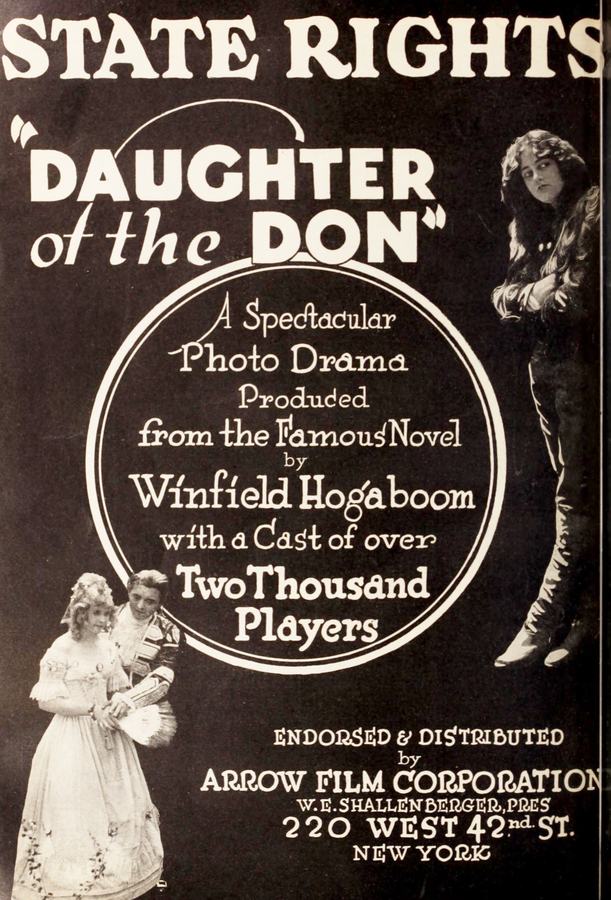
Director's Spotlight: United States
A Deep Dive into the 1916 Vision of Henry Kabierske
The 1916 release of The Daughter of the Don marked a significant moment for the enduring legacy of Henry Kabierske's artistic contribution to the genre. By challenging the status quo of 1916 cinema, it has cemented its place in the global cult cinema archive.
In The Daughter of the Don, Henry Kabierske pushes the boundaries of conventional narrative. The film's unique approach to its subject matter has sparked endless debates and interpretations among cinephiles and critics alike.
While deeply rooted in United States, The Daughter of the Don has achieved a global reach, influencing directors from various backgrounds. Its ability to translate cult tropes into a universal cinematic language is why it remains a cult staple decades after its 1916 release.
| Cinematography | Deep Focus |
| Soundtrack | Synth-Heavy |
| Editing | Disjunctive |
| Art Direction | Baroque |
Visualizing the convergence of Henry Kabierske's style and the core cult narrative.
In 1846 California, Lieutenant Nelson of the American army and Ysabel Hernandez, the daughter of a California don, fall in love. Warfare between the Americans and the Californians soon breaks out, however, and Ysabel puts on man's dress and joins Pico's Californian army, distinguishing herself by her horsemanship. After many shifts of fortune, the Americans are victorious in the final battle in Los Angeles, in which Nelson narrowly escapes killing Ysabel. Holliday, the treacherous Englishman whose deceptions helped to start the hostilities, kidnaps Ysabel and her brother's fiancée, but Nelson and several others come to the rescue and the lovers are united.
Decades after its release, The Daughter of the Don remains a vital piece of the cinematic puzzle. Its influence can be seen in countless modern works, solidifying Henry Kabierske's status as a master of the craft in United States and beyond.