
DbcultAccessing Vault...
Director's Spotlight
Senior Film Conservator
Director's Spotlight: United States
A Deep Dive into the 1918 Vision of Henry King
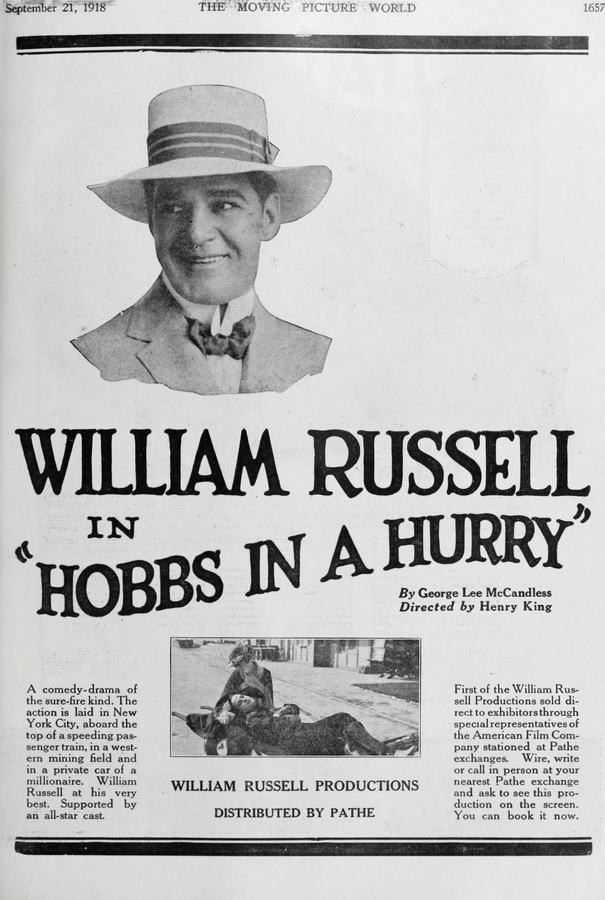
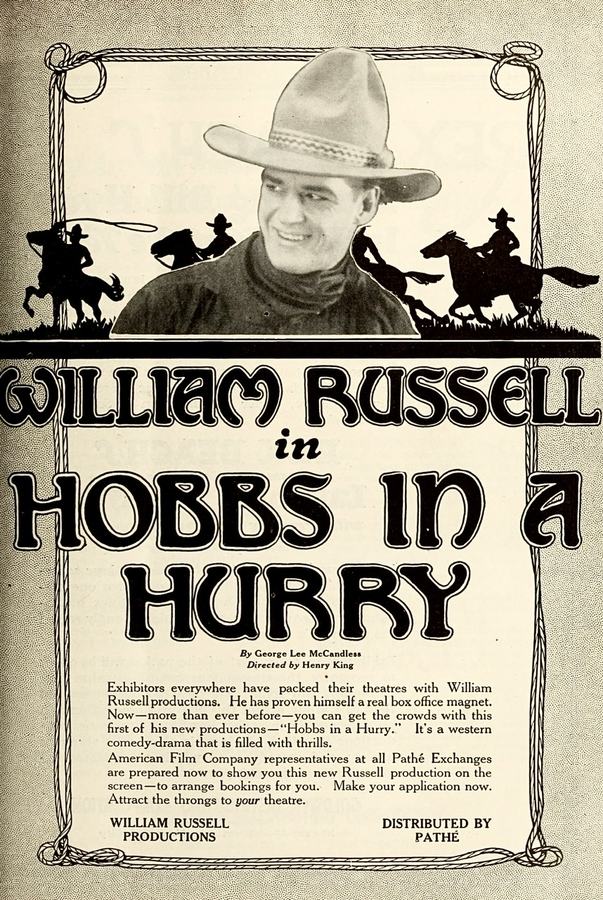
To understand the modern evolution of United States film, one must first look at Hobbs in a Hurry and the collaborative alchemy between Henry King and the 1918 creative team. Subverting the expectations of the typical 1918 audience, it remains a vital reference point for anyone studying the evolution of Henry King.
In Hobbs in a Hurry, Henry King pushes the boundaries of conventional narrative. The film's unique approach to its subject matter has sparked endless debates and interpretations among cinephiles and critics alike.
The visual language of Hobbs in a Hurry is defined by its use of shadows and framing, a hallmark of Henry King's style. By utilizing a 1918-era palette, the film creates an immersive experience that perfectly complements its cult themes.
| Cinematography | Noir-Inspired |
| Soundtrack | Synth-Heavy |
| Editing | Rhythmic |
| Art Direction | Naturalist |
Visualizing the convergence of Henry King's style and the core cult narrative.
Millionaire J. Warren Hobbs, Sr., sends his lively young son to New Mexico to buy back a mine he previously had thought worthless but since has discovered is rich in tungsten deposits. Lord Willoughby, the mine owner's twin brother, suggests to Hobbs's business rival, Rufus Renshaw, that he buy the mine, after which Willoughby, Renshaw and Renshaw's daughter Helen, the sweetheart of Hobbs, Jr., catch a westbound train. Angered when Helen scorns his advances, Lord Willoughby disguises himself as his brother and sells Renshaw the mine; meanwhile, Hobbs, Jr. purchases it from its real owner, Louis Willoughby. Soon after Renshaw discovers that Lord Willoughby tricked him, Hobbs, Jr. learns that the mine is worthless after all and sells it to Renshaw in return for the old man's permission to marry Helen. Having successfully tricked the whole party, Hobbs and his fiancée make a quick exit.
Decades after its release, Hobbs in a Hurry remains a vital piece of the cinematic puzzle. Its influence can be seen in countless modern works, solidifying Henry King's status as a master of the craft in United States and beyond.