
DbcultAccessing Vault...
Director's Spotlight
Senior Film Conservator
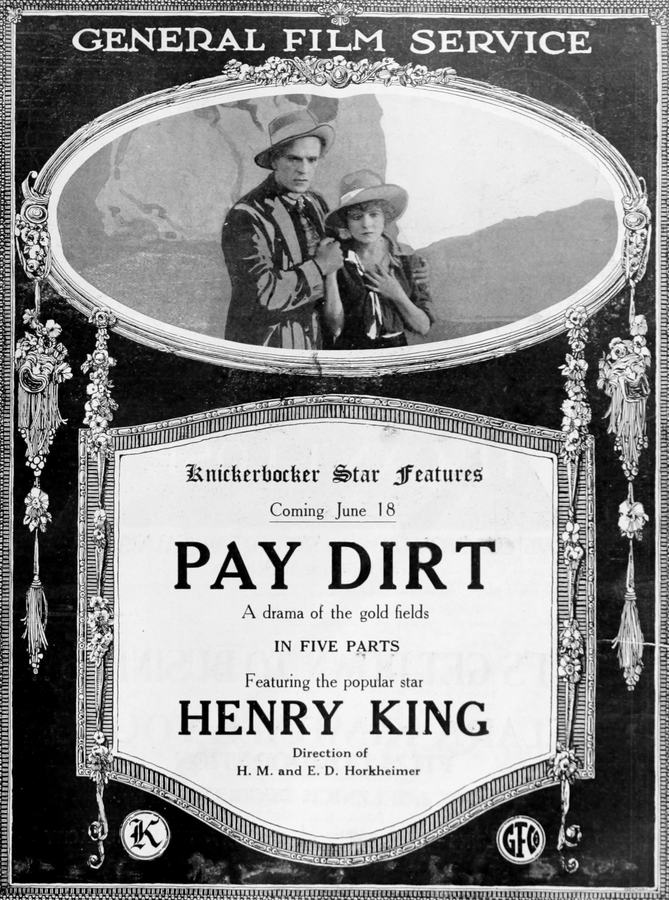
Director's Spotlight: United States
A Deep Dive into the 1916 Vision of Henry King
The artistic breakthrough represented by Pay Dirt in 1916 highlights the uncompromising vision of Henry King that defines this cult masterpiece. In the context of United States's rich cinematic history, it captures a specific kind of cinematic magic that is rarely replicated.
In Pay Dirt, Henry King pushes the boundaries of conventional narrative. The film's unique approach to its subject matter has sparked endless debates and interpretations among cinephiles and critics alike.
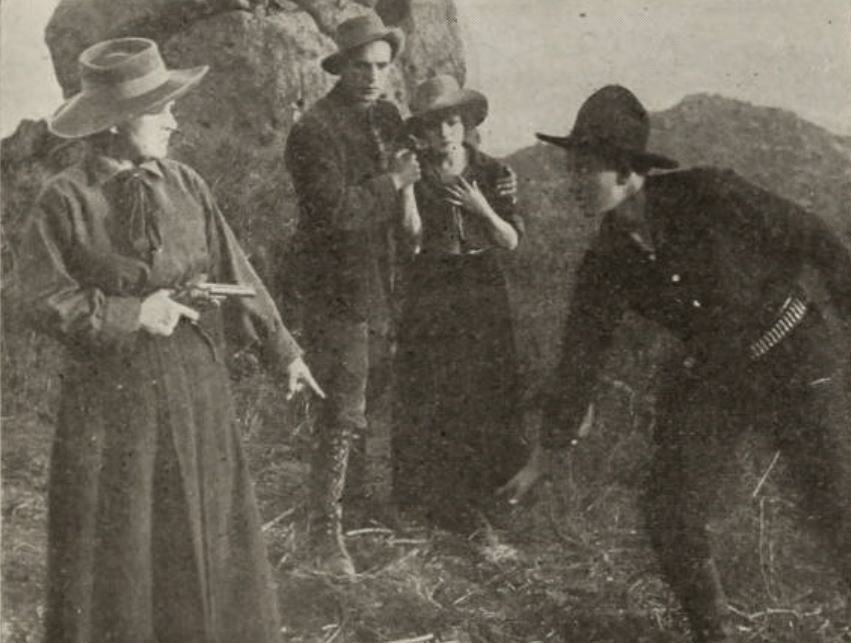
In this work, Henry King explores the intersection of cult and United States cultural identity. The meticulous attention to detail suggests a deep-seated commitment to pushing the boundaries of the medium, ensuring that Pay Dirt remains a relevant topic of study for cult enthusiasts.
| Cinematography | Noir-Inspired |
| Soundtrack | Synth-Heavy |
| Editing | Disjunctive |
| Art Direction | Baroque |
Visualizing the convergence of Henry King's style and the core cult narrative.
While he digs for gold day by day, "The Easterner," a young miner, gambles by night. A woman of the camps, named Moll, takes an interest in him and tries to break him of the habit that is his ruin. He laughs at her, but after she saves his life he promises to quit playing. Kate Gardner, a girl of the west loves him, and she is turn is loved by Bill Turner, a miner. Turner proves to her that the Easterner loves Doris Wendell, daughter of a wealthy land owner. She, with Moll, is instrumental in saving the Easterner's life when he is about to be lynched by a mob at the command of the jealous Turner. Peter Gardner, her father, covets the Easterner's claim and bribes Dick Weed, the gambling house proprietor, to help him get the claim. They attempt to make him gamble, but he is true to his promise. Later he discovers that Moll is his mother, whose passion for gambling he has inherited. Oby, a half-wit. Haunts the camp. Moll and her son try to live respectably after Doris has broken the engagement because the Easterner refuses to disown his mother. But the passion for gambling proves too strong. Moll rushes out of the house to the Hall of Chance. Her son is inveigled by Weed and Gardner into betting his claim. As he loses, Oby snatches away the tablecloth, jumbling the cards. Gardner, in a rage, strikes him down. His memory returns and he recognizes Gardner as the man who robbed him many years before, and shoots him. Dying, Gardner admits that Kate is Oby's daughter. Reunited with her father, she marries the Easterner.
Decades after its release, Pay Dirt remains a vital piece of the cinematic puzzle. Its influence can be seen in countless modern works, solidifying Henry King's status as a master of the craft in United States and beyond.