
DbcultAccessing Vault...
Director's Spotlight
Senior Film Conservator
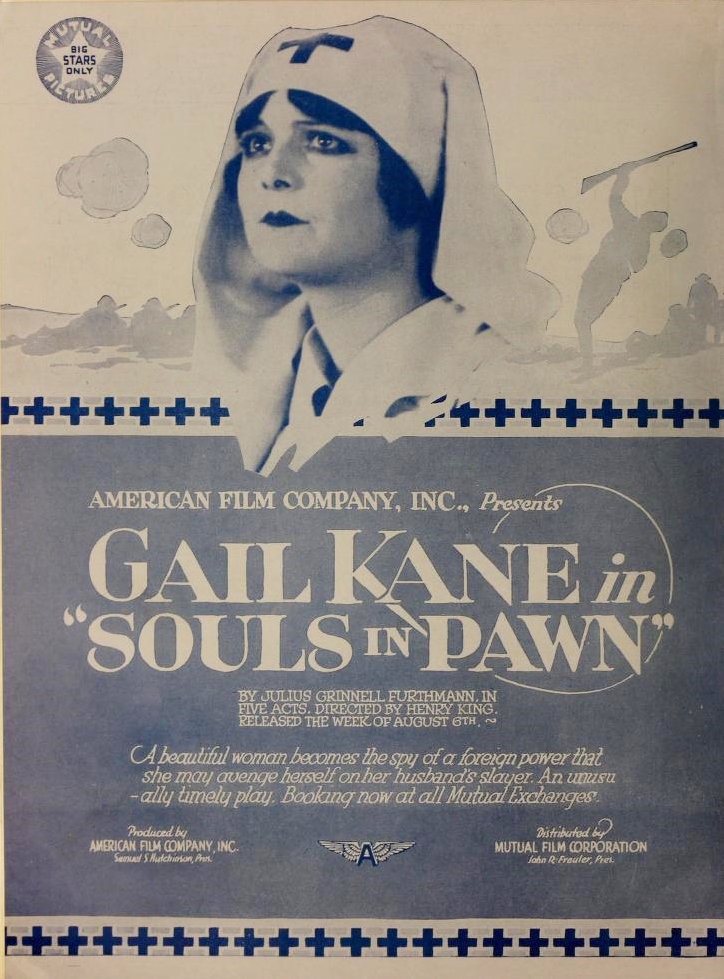
Director's Spotlight: United States
A Deep Dive into the 1917 Vision of Henry King
The brilliance of Souls in Pawn (1917) is inseparable from the visionary mind of its creator, Henry King. Serving as a mirror to the anxieties of a changing world, it persists as a haunting reminder of our own cinematic history.
In Souls in Pawn, Henry King pushes the boundaries of conventional narrative. The film's unique approach to its subject matter has sparked endless debates and interpretations among cinephiles and critics alike.
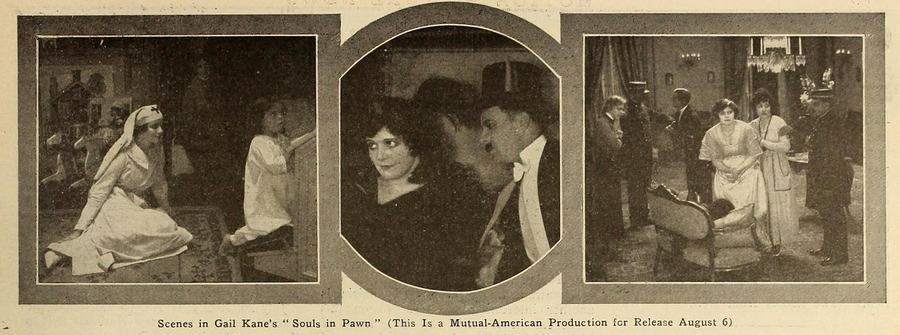
The visual language of Souls in Pawn is defined by its use of shadows and framing, a hallmark of Henry King's style. By utilizing a 1917-era palette, the film creates an immersive experience that perfectly complements its cult themes.
| Cinematography | Static |
| Soundtrack | Minimalist |
| Editing | Disjunctive |
| Art Direction | Baroque |
Visualizing the convergence of Henry King's style and the core cult narrative.
Chief of the German secret service in Paris, Prince Kondemarck has been ordered to secure for his government the service of the most clever and beautiful woman obtainable. Liane Dore, widow of the late Sebastian Dore, who was killed mysteriously, agrees to serve on the prince's promise to reveal in one year the name of the man who killed her husband, against whom she has sworn vengeance. Unknown to Liane, the prince himself accidentally killed Dore who, posing as a bachelor, betrayed the prince's sister. In the course of their association as spies, Liane and the prince fall in love. When war comes, Liane throws her home open to wounded Frenchmen, and Baron Arnorld von Pollnitz, a German spy seeking revenge on the prince, denounces Liane as a spy. Arrested and sentenced to death, she is saved by the prince. After learning that her rescuer was her husband's killer, Liane is on the verge of betraying him when he produces letters which prove her husband's duplicity, and together they flee on board the prince's yacht.
Decades after its release, Souls in Pawn remains a vital piece of the cinematic puzzle. Its influence can be seen in countless modern works, solidifying Henry King's status as a master of the craft in United States and beyond.