
DbcultAccessing Vault...
Director's Spotlight
Senior Film Conservator
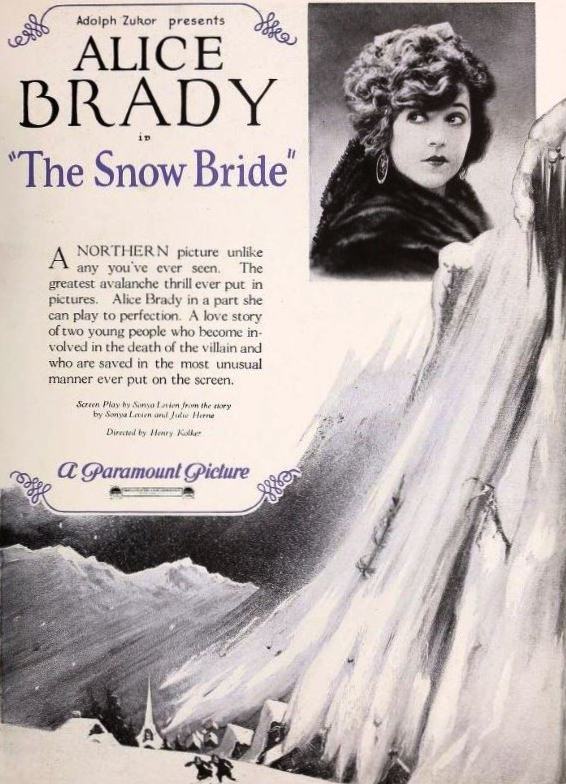
Director's Spotlight: United States
A Deep Dive into the 1923 Vision of Henry Kolker
Peeling back the layers of Henry Kolker's The Snow Bride exposes the technical innovation that Henry Kolker introduced to the Romance format. Driven by an uncompromising commitment to Romance excellence, it stands as the definitive 1923 statement on Romance identity.
In The Snow Bride, Henry Kolker pushes the boundaries of conventional narrative. The film's unique approach to its subject matter has sparked endless debates and interpretations among cinephiles and critics alike.
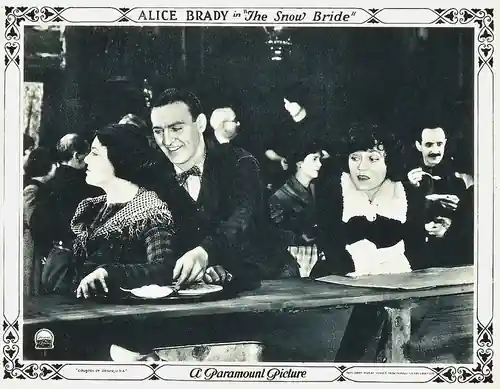
While deeply rooted in United States, The Snow Bride has achieved a global reach, influencing directors from various backgrounds. Its ability to translate Romance tropes into a universal cinematic language is why it remains a cult staple decades after its 1923 release.
| Cinematography | Static |
| Soundtrack | Diegetic |
| Editing | Rhythmic |
| Art Direction | Naturalist |
Visualizing the convergence of Henry Kolker's style and the core Romance narrative.
Annette is in love with Sheriff André Porel, but her father Gaston, promises her to Paul Gerard, after Gerard witnesses Gaston kill Indian Charlie. Despondent, Annette considers suicide, but Gerard drinks the poison by mistake. Annette is convicted of murder and is being led to her execution by André when an avalanche buries the gallows and Gaston. The villagers take this as a sign of Annette's innocence; she is released and marries André.
Decades after its release, The Snow Bride remains a vital piece of the cinematic puzzle. Its influence can be seen in countless modern works, solidifying Henry Kolker's status as a master of the craft in United States and beyond.