
DbcultAccessing Vault...
Director's Spotlight
Senior Film Conservator
Director's Spotlight: United States
A Deep Dive into the 1916 Vision of Henry MacRae
The evocative power of Behind the Lines stems from the unique collaboration between the subversive storytelling techniques employed by Henry MacRae in 1916. Synthesizing the best elements of United States and international cinema, it reminds us of the fragility and beauty of the 1916s.
In Behind the Lines, Henry MacRae pushes the boundaries of conventional narrative. The film's unique approach to its subject matter has sparked endless debates and interpretations among cinephiles and critics alike.
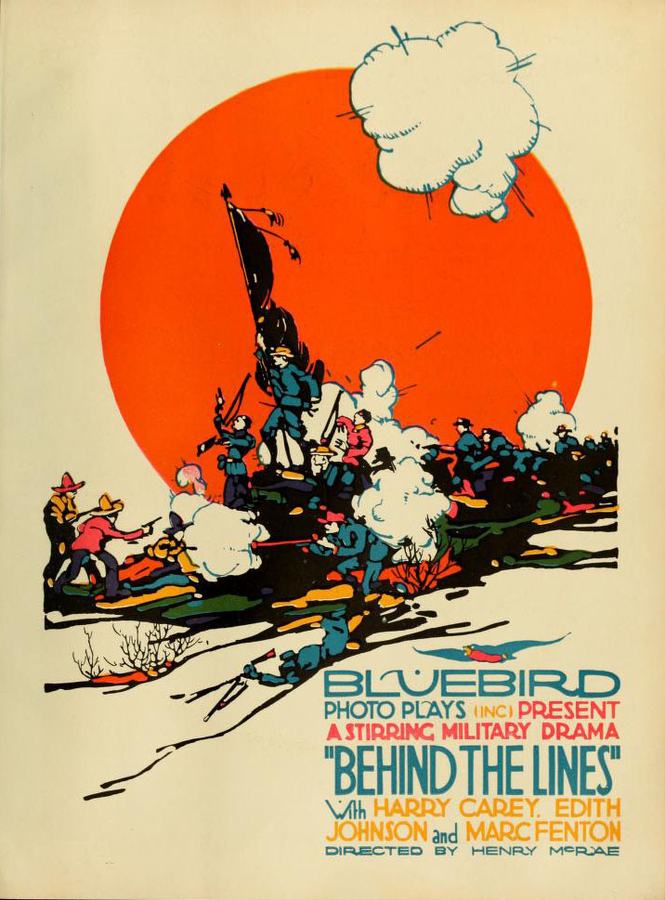
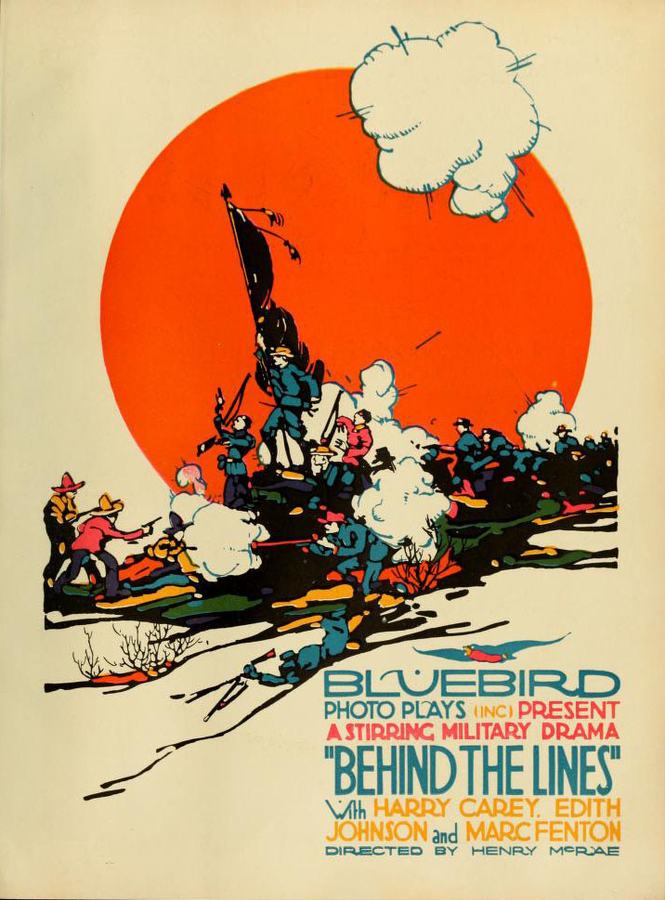
To fully appreciate Behind the Lines, one must consider the cinematic climate of 1916. During this period, United States was undergoing significant artistic shifts, and Henry MacRae was at the forefront of this cult movement, often challenging established norms.
| Cinematography | Noir-Inspired |
| Soundtrack | Diegetic |
| Editing | Elliptical |
| Art Direction | Expressionist |
Visualizing the convergence of Henry MacRae's style and the core cult narrative.
During a rebellion in Mexico, Nina Garcia, a diplomat's daughter, is forced to become a spy for the revolutionaries. She works as a nurse in a military hospital and steals papers for the rebels, but officials finally discover her involvement in enemy espionage. Just as soldiers arrest her, she performs an experiment on herself, hoping to prove the worth of Dr. Ralph Hamlin's serum for gangrene. Unimpressed by her bravery and unmoved by Ralph's pleas for a pardon, the government orders her shot after her recovery from the injection. Finally, United States troops arrive and save Nina from execution.
Decades after its release, Behind the Lines remains a vital piece of the cinematic puzzle. Its influence can be seen in countless modern works, solidifying Henry MacRae's status as a master of the craft in United States and beyond.