
DbcultAccessing Vault...
Director's Spotlight
Senior Film Conservator
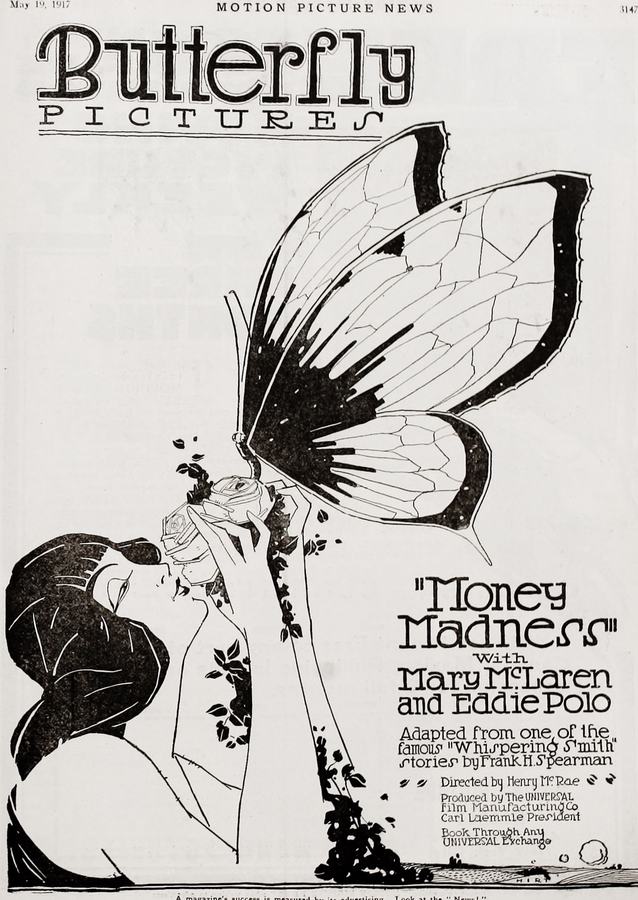
Director's Spotlight: United States
A Deep Dive into the 1917 Vision of Henry MacRae
The enduring fascination with Money Madness is a testament to the artistic risks taken by Henry MacRae that eventually paid off. Challenging the viewer to find meaning in the cult shadows, it reminds us of the fragility and beauty of the 1917s.
In Money Madness, Henry MacRae pushes the boundaries of conventional narrative. The film's unique approach to its subject matter has sparked endless debates and interpretations among cinephiles and critics alike.
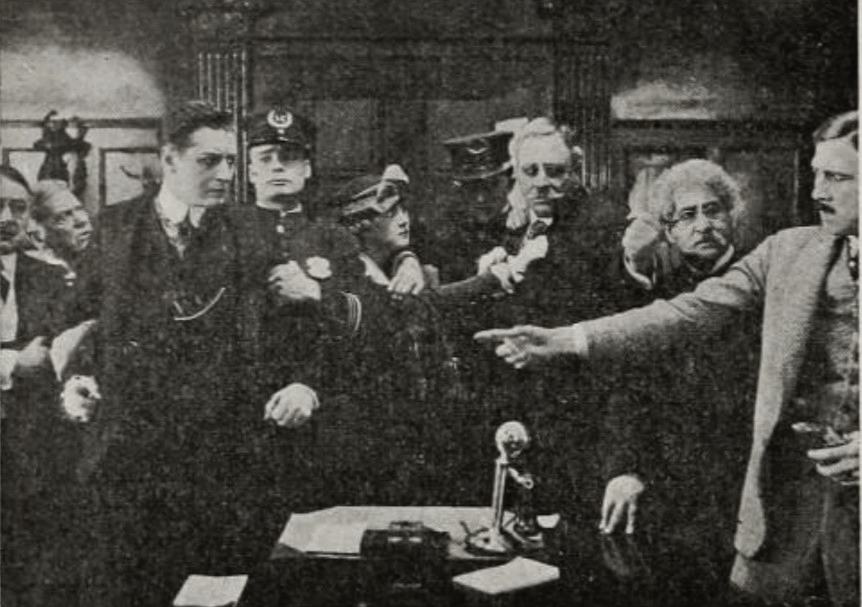
In this work, Henry MacRae explores the intersection of cult and United States cultural identity. The meticulous attention to detail suggests a deep-seated commitment to pushing the boundaries of the medium, ensuring that Money Madness remains a relevant topic of study for cult enthusiasts.
| Cinematography | Static |
| Soundtrack | Orchestral |
| Editing | Invisible |
| Art Direction | Kitsch |
Visualizing the convergence of Henry MacRae's style and the core cult narrative.
Bank president, George Fuller, uses his own fortune to cover the losses, when the bank is on the verge of collapse. Unknown to Fuller, however, Monroe Simmons, his vice-president, is undermining the bank for his own purposes. Then Tom Williams, who is in love with Fuller's daughter Ethel, asks his uncle, famous detective "Whispering Smith," to investigate the case. Smith successfully uncovers Simmons' conspiracy and apprehends him and his fellow conspirators, thus saving the bank.
Decades after its release, Money Madness remains a vital piece of the cinematic puzzle. Its influence can be seen in countless modern works, solidifying Henry MacRae's status as a master of the craft in United States and beyond.