
DbcultAccessing Vault...
Director's Spotlight
Senior Film Conservator
Director's Spotlight: United States
A Deep Dive into the 1919 Vision of Henry Otto
As we revisit the 1919 masterpiece Angel Child, we are struck by the atmospheric immersion that Henry Otto achieves throughout Angel Child. Exploring the nuances of the human condition with cult flair, it solidifies Henry Otto's reputation as a master of the craft.
In Angel Child, Henry Otto pushes the boundaries of conventional narrative. The film's unique approach to its subject matter has sparked endless debates and interpretations among cinephiles and critics alike.
To fully appreciate Angel Child, one must consider the cinematic climate of 1919. During this period, United States was undergoing significant artistic shifts, and Henry Otto was at the forefront of this cult movement, often challenging established norms.
| Cinematography | High-Contrast |
| Soundtrack | Synth-Heavy |
| Editing | Rhythmic |
| Art Direction | Naturalist |
Visualizing the convergence of Henry Otto's style and the core cult narrative.
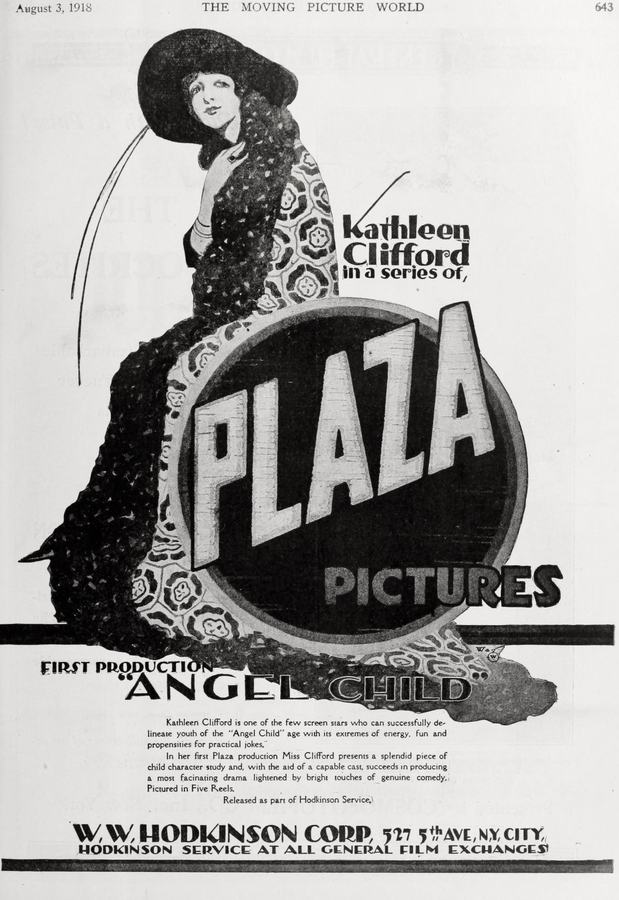
Glory Moore, a mischievous girl who is the despair of her mother but the "angel child" of her father, is sent away to boarding school, where she continues her devilish pranks. Soon after her departure, her father discovers that he is missing an important letter containing evidence that will send a business rival to jail. Glory, who has wrapped candy in the letter, throws it on the floor, and it is picked up by the daughter of the accused man. Glory learns of her mistake, and with the help of Richard Grant, a young lawyer whom she met at school, she retrieves the letter from the businessman's home. When Richard proposes to Glory, she decides to forego the dubious pleasures of finishing school to become his wife.
Decades after its release, Angel Child remains a vital piece of the cinematic puzzle. Its influence can be seen in countless modern works, solidifying Henry Otto's status as a master of the craft in United States and beyond.