
DbcultAccessing Vault...
Director's Spotlight
Senior Film Conservator
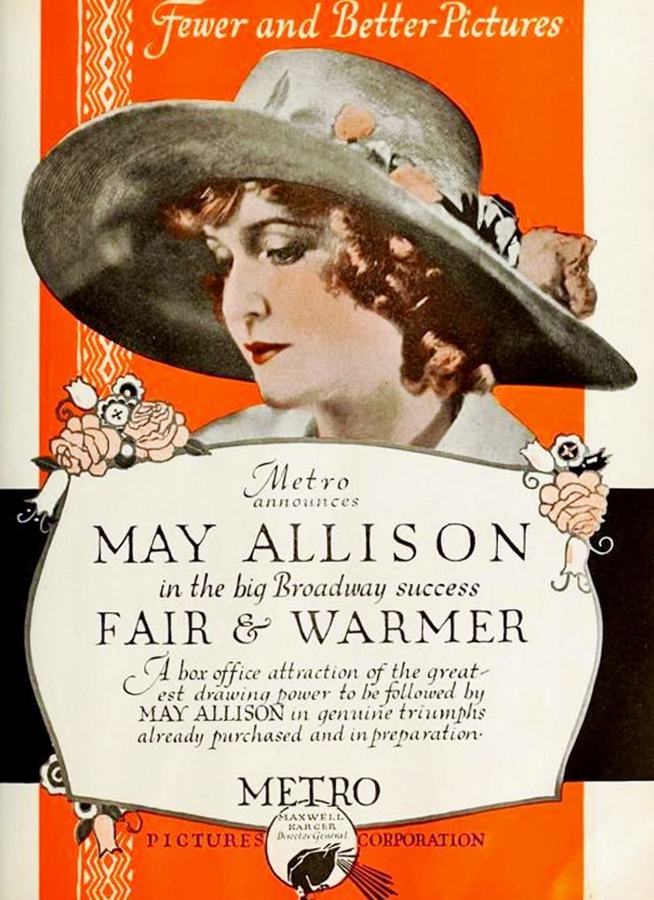
Director's Spotlight: United States
A Deep Dive into the 1919 Vision of Henry Otto
The cult DNA of Fair and Warmer is a reflection of United States's the historical context that Henry Otto weaves into the cult fabric. Challenging the viewer to find meaning in the cult shadows, it transcends regional boundaries to tell a universal story.
In Fair and Warmer, Henry Otto pushes the boundaries of conventional narrative. The film's unique approach to its subject matter has sparked endless debates and interpretations among cinephiles and critics alike.
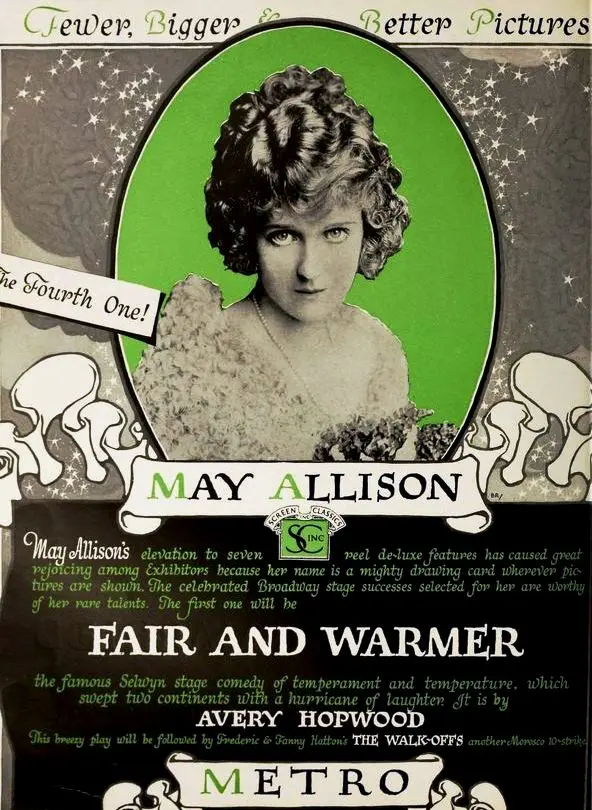
The visual language of Fair and Warmer is defined by its use of shadows and framing, a hallmark of Henry Otto's style. By utilizing a 1919-era palette, the film creates an immersive experience that perfectly complements its cult themes.
| Cinematography | Deep Focus |
| Soundtrack | Diegetic |
| Editing | Elliptical |
| Art Direction | Expressionist |
Visualizing the convergence of Henry Otto's style and the core cult narrative.
Jack and Blanny Wheeler live in the apartment above Laura and Billy Bartlett. Jack likes to stay out late and play poker, but covers by telling his wife that he attends meetings of the Mystic Shrine society. Laura is carrying on a dalliance with Philip Evans. One night Jack goes to play poker and leaves Blanny with the Bartletts. Laura goes out with Philip. Blanny and Billy commiserate about their loneliness, and concoct a scheme to arouse their spouses' jealousies. They taste various liquors, become intoxicated, and fall asleep. Jack, Laura, and Philip return. Jack and Laura both threaten divorce until the explanations are made, and the couples are reunited.
Decades after its release, Fair and Warmer remains a vital piece of the cinematic puzzle. Its influence can be seen in countless modern works, solidifying Henry Otto's status as a master of the craft in United States and beyond.