
DbcultAccessing Vault...
Director's Spotlight
Senior Film Conservator
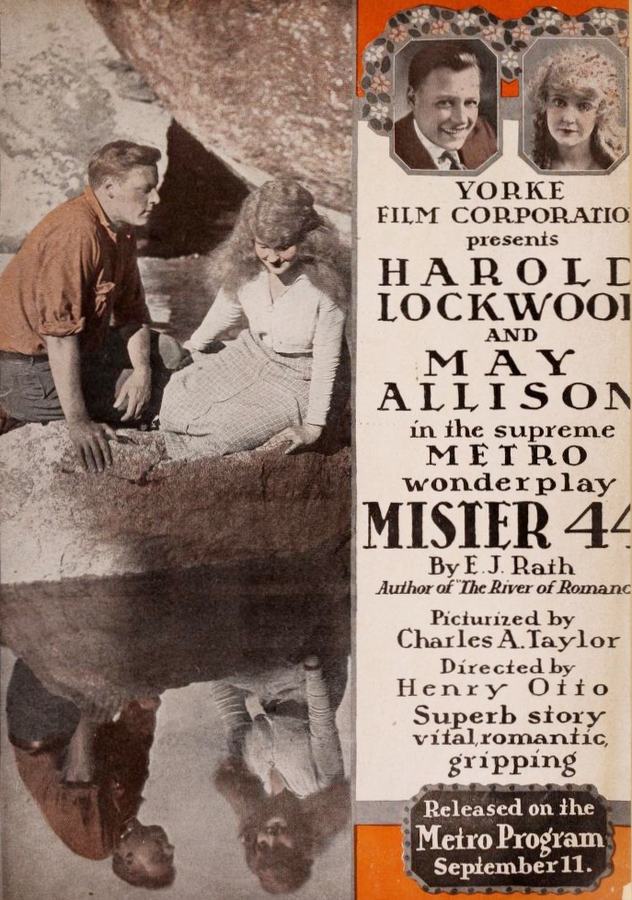
Director's Spotlight: United States
A Deep Dive into the 1916 Vision of Henry Otto
The thematic gravity of Mister 44 (1916) is rooted in the artistic risks taken by Henry Otto that eventually paid off. Defining a new era of United States artistic expression, it demands to be seen by anyone who cares about the art of film.
In Mister 44, Henry Otto pushes the boundaries of conventional narrative. The film's unique approach to its subject matter has sparked endless debates and interpretations among cinephiles and critics alike.
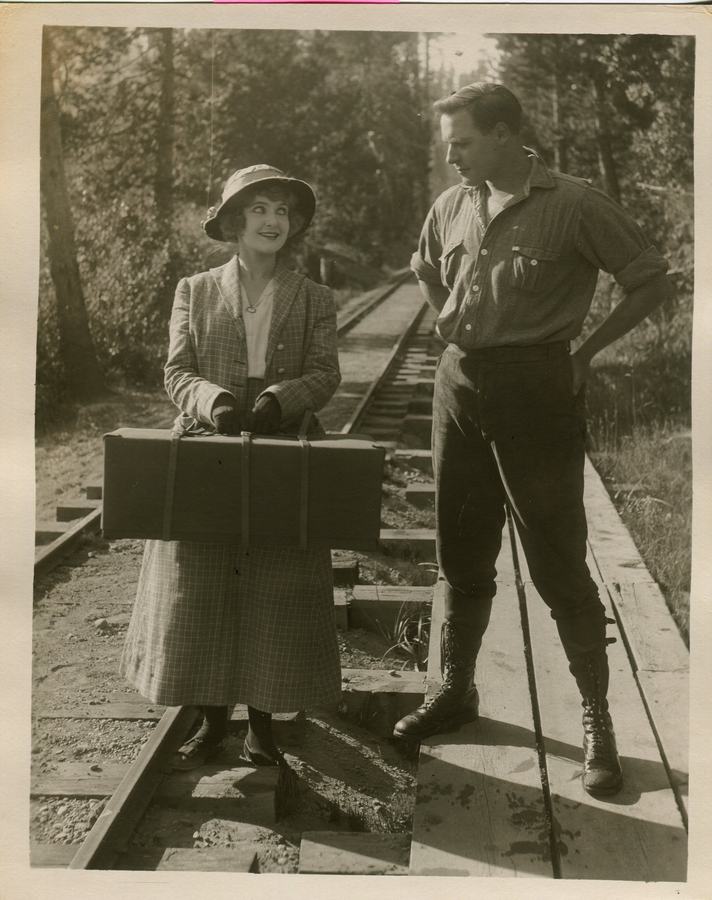
In this work, Henry Otto explores the intersection of cult and United States cultural identity. The meticulous attention to detail suggests a deep-seated commitment to pushing the boundaries of the medium, ensuring that Mister 44 remains a relevant topic of study for cult enthusiasts.
| Cinematography | Deep Focus |
| Soundtrack | Experimental |
| Editing | Invisible |
| Art Direction | Kitsch |
Visualizing the convergence of Henry Otto's style and the core cult narrative.
In the sordid shirt factory in which she works, Sadie Hicks dreams of the great outdoors. Surrounded by men of puny minds and flabby bodies, her fancy goes out to great manhood that is strong of mind and muscle. Translated in the language of the shirt factory life she knows best, she finds that she admires a man with a 44 chest. She sees a shipment of 44s all ready to be sent to Arizona, and she writes a little note and tucks it into one of the shirts. On account of a rush order, the box is sent to Canada and the shirt with Sadie's note reaches John Stoddard, a wealthy civil engineer, who prefers the life of the woods to the polite society enjoyed by his family and friends. Good-naturedly, he answers Sadie's note, telling her to let him know if he can help her at any time. Sadie receives the letter on the same day she is discharged from the factory for repulsing the advances of Ferguson, the foreman. She at once telegraphs Stoddard that she is on the way, and takes the next train for his Canadian Camp. He receives the message too late to wire her not to come. Stoddard goes to the station to meet her, intending to put her on a southbound train immediately, but he misses her, as she has left the train at a station nearer his camp than the post-office station. Stoddard finds her, and they start in a canoe for an island hotel where he expects to place her until he can send her away again. But a storm comes up, the canoe is swamped and Stoddard and Sadie are obliged to swim to the nearest stretch of shore. It is a small deserted island, and the two have to spend a day and a night there. The noblest qualities of both are shown, and they fall in love with each other. They construct a raft on which they embark, but it has been flimsily put together on account of lack of materials, and Sadie and Stoddard are capsized again. This time they are rescued by Stoddard's Indian guide, Eagle Eye, who takes them to the camp. They find Larry Livingston at the camp. He is the brother of Estelle Livingston, the society girl whom Mrs. Stoddard wishes her son to marry. He tells them that Mrs. Stoddard and Estelle, who are stopping at the hotel, will be at the camp presently. Sadie feels diffident about meeting these fashionable women, and hides in the woods. Here Larry Livingston finds her. He tells her that if she really loves John Stoddard, it is her duty to give him up to a woman of his own station in life, that it would be only degradation for him to marry beneath him. Sadie persuades Eagle Eye to show her the way to the railroad station. Leaving a note of farewell for Stoddard, she goes to the city and finds work in a restaurant, studying hard in her leisure hours to make herself worthy of the man she loves, and capable of meeting his mother. Stoddard is tireless in his search for her, and at last discovers her. He convinces her that Larry was mistaken, and the two clasp hands in mutual understanding.
Decades after its release, Mister 44 remains a vital piece of the cinematic puzzle. Its influence can be seen in countless modern works, solidifying Henry Otto's status as a master of the craft in United States and beyond.