
DbcultAccessing Vault...
Director's Spotlight
Senior Film Conservator
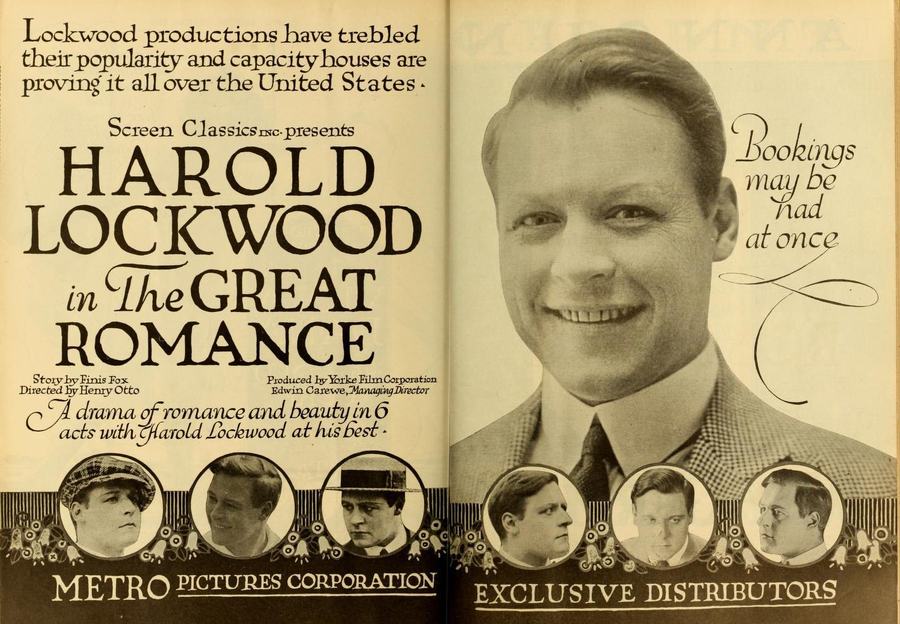
Director's Spotlight: United States
A Deep Dive into the 1919 Vision of Henry Otto
The thematic gravity of The Great Romance (1919) is rooted in the historical context that Henry Otto weaves into the cult fabric. Synthesizing the best elements of United States and international cinema, it highlights the importance of independent voices in United States.
In The Great Romance, Henry Otto pushes the boundaries of conventional narrative. The film's unique approach to its subject matter has sparked endless debates and interpretations among cinephiles and critics alike.
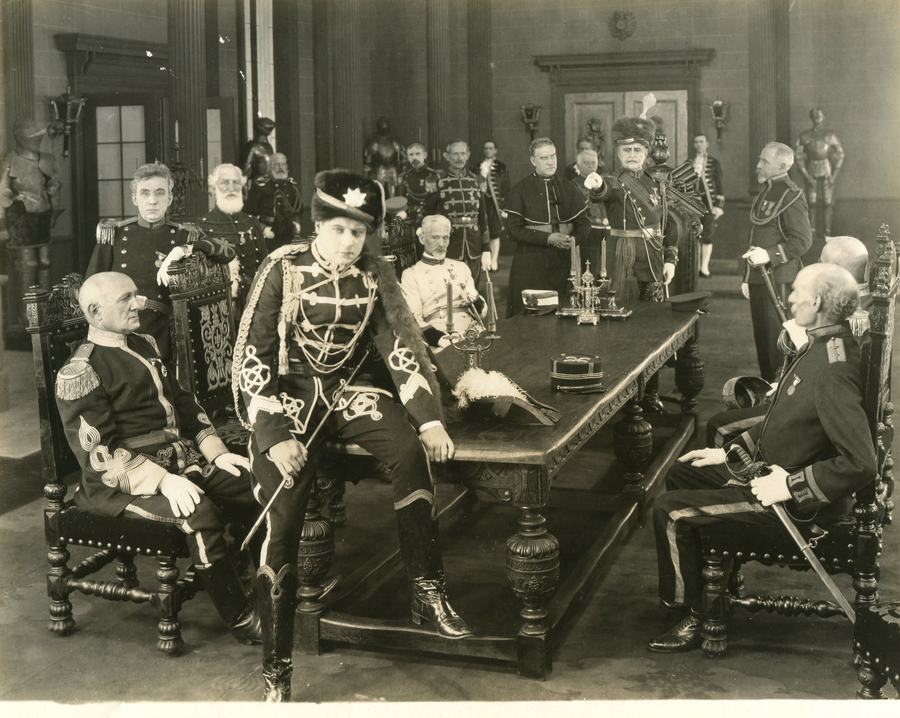
The visual language of The Great Romance is defined by its use of shadows and framing, a hallmark of Henry Otto's style. By utilizing a 1919-era palette, the film creates an immersive experience that perfectly complements its cult themes.
| Cinematography | Static |
| Soundtrack | Experimental |
| Editing | Elliptical |
| Art Direction | Expressionist |
Visualizing the convergence of Henry Otto's style and the core cult narrative.
King Rudolph of Rugaria sends his son, Prince Boris, to America to marry into wealth so that the country can recover from its financial difficulties. Rich Mrs. Hanway, eager to have her daughter Althea become a princess, takes her with Boris to Rugaria. Meanwhile, Rupert Danza, a Columbia University student, is told by a mysterious envoy that he is needed in Rugaria to lead a revolution. Although he laughs at first, he follows, when he learns that his sweetheart Althea has gone there. While Rupert's knowledge of democracy inspires the revolutionaries, his sword play enables him to rescue Althea from Boris. After an anarchist wounds the king, Rupert is arrested, but as a firing squad prepares to execute him, Countess Olga reveals that he is really the king's son who was kidnapped as a child and sent to America to absorb democracy for the coming revolution. After Rudolph dies, Rupert declines the crown, but is elected president of the newly-created republic. Althea then becomes his First Lady.
Decades after its release, The Great Romance remains a vital piece of the cinematic puzzle. Its influence can be seen in countless modern works, solidifying Henry Otto's status as a master of the craft in United States and beyond.