
DbcultAccessing Vault...
Director's Spotlight
Senior Film Conservator
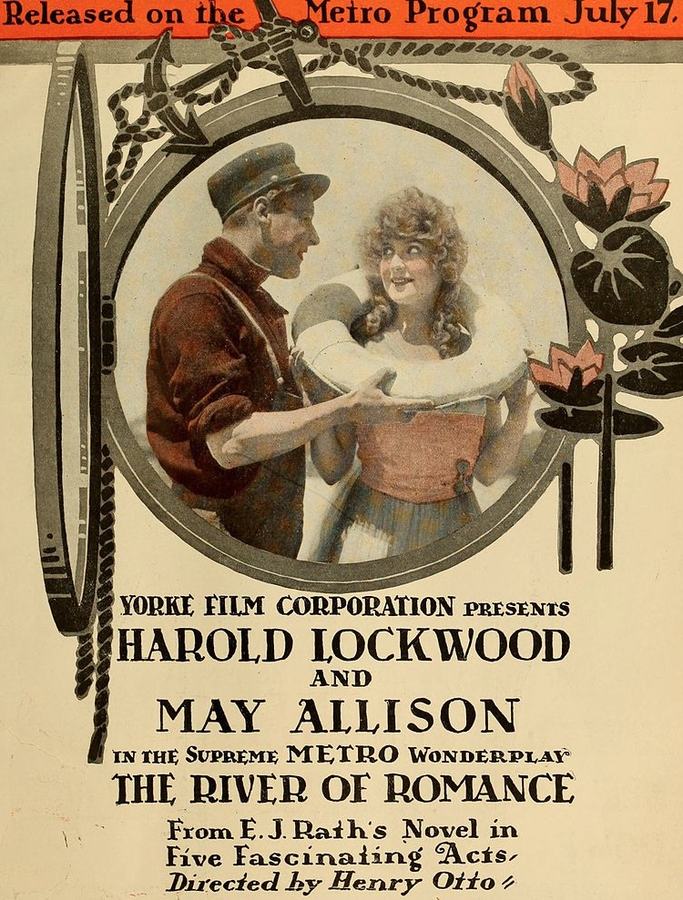
Director's Spotlight: United States
A Deep Dive into the 1916 Vision of Henry Otto
As we revisit the 1916 masterpiece The River of Romance, we are struck by the atmospheric immersion that Henry Otto achieves throughout The River of Romance. Exploring the nuances of the human condition with cult flair, it solidifies Henry Otto's reputation as a master of the craft.
In The River of Romance, Henry Otto pushes the boundaries of conventional narrative. The film's unique approach to its subject matter has sparked endless debates and interpretations among cinephiles and critics alike.
While deeply rooted in United States, The River of Romance has achieved a global reach, influencing directors from various backgrounds. Its ability to translate cult tropes into a universal cinematic language is why it remains a cult staple decades after its 1916 release.
| Cinematography | High-Contrast |
| Soundtrack | Minimalist |
| Editing | Disjunctive |
| Art Direction | Baroque |
Visualizing the convergence of Henry Otto's style and the core cult narrative.
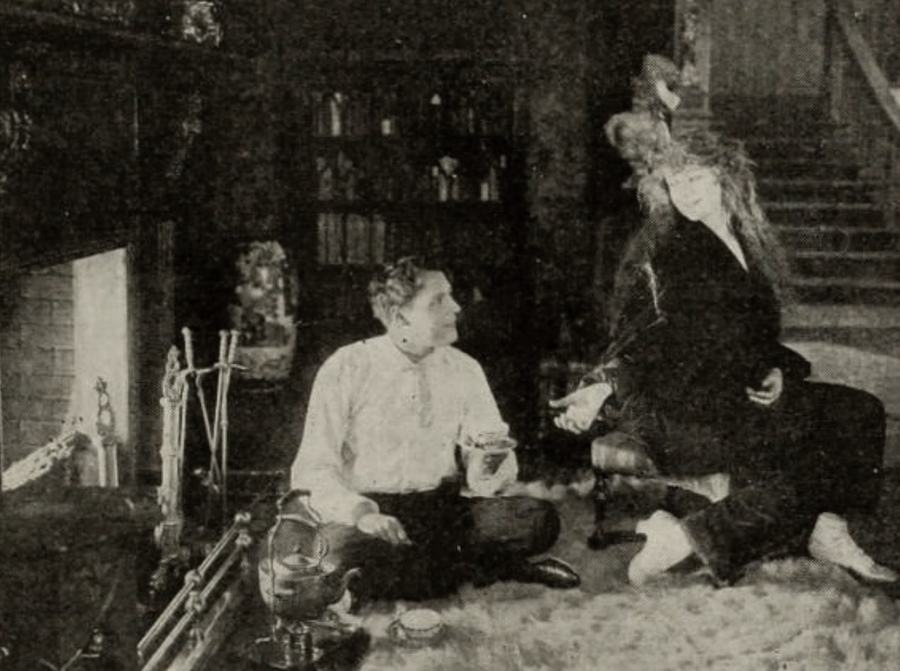
Rosalind Chalmers, a New York society girl, goes on an unannounced visit to her friends, the Witherbees, at the Thousand Islands, primarily for the purpose of escaping the unwelcome attention of Reginald Williams. She misses the last boat to their island, and is taken over in the decrepit motorboat of an interesting young man known as Sam. Sam is really William Kellogg, heir to the Davidson millions. During the absence of his uncle, Henry Davidson, Kellogg has broken a handsome vase, and decides to earn the money himself to pay for it. So as One-Cylinder Sam he begins to carry passengers between the islands. On the way to the Witherbee island Kellogg's motor goes dead. Rosalind's hobby is motors, and she puts the engine in working order in no time. When they reach the island the family has retired for the night. Rosalind tries to climb in a window, but sets off a burglar alarm, and runs to escape the people who come to investigate. Startled by shots, she takes a small boat, and goes out into the river. She hears more shots, this time for Davidson Island. From angry voices she learns that the supposed burglars are there, too. Two motorboats set out. Soon the engine of one goes dead, and Rosalind goes to help. Kellogg, whom she knows as Sam, and whom she things is a burglar, is in the boat. But in spite of this she starts his engine for him, on account of the strange attraction he has for her, and aids his escape from the pursuing boat. Rosalind and Kellogg thereafter see a great deal of each other in the simple life of the islands. At a hotel dance he appears in his evening clothes, and after getting Rosalind to dance with him, induces her to go for a short walk in the moonlight. He tells her he is madly in love with her, and that he is going to marry her, with her consent or without it. She still thinks he is a burglar, and is frightened. He picks her up and carries her to his boat, but in mid-stream the boat strikes a submerged rock and sinks. Kellogg swims ashore with Rosalind to his uncle's island. He offers to break into the house and get some dry clothes for her and though still thinking he is a burglar she consents. Kellogg arrays himself in fresh clothes, and is greeted joyfully by his uncle. Kellogg hands him a purse containing the money for the vase, earned by his efforts as "One-Cylinder Sam," and introduces him to Rosalind, who is relieved to know that the man she is going to marry is not a burglar.
Decades after its release, The River of Romance remains a vital piece of the cinematic puzzle. Its influence can be seen in countless modern works, solidifying Henry Otto's status as a master of the craft in United States and beyond.