
DbcultAccessing Vault...
Director's Spotlight
Senior Film Conservator
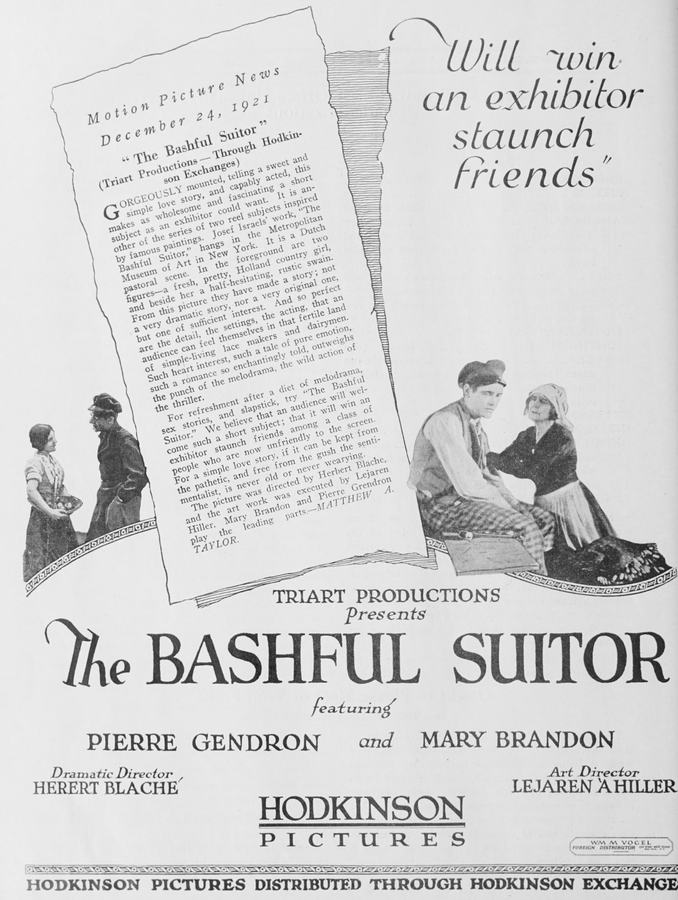
Director's Spotlight: United States
A Deep Dive into the 1921 Vision of Herbert Blaché
The evocative power of The Bashful Suitor stems from the unique collaboration between the subversive storytelling techniques employed by Herbert Blaché in 1921. Synthesizing the best elements of United States and international cinema, it reminds us of the fragility and beauty of the 1921s.
In The Bashful Suitor, Herbert Blaché pushes the boundaries of conventional narrative. The film's unique approach to its subject matter has sparked endless debates and interpretations among cinephiles and critics alike.
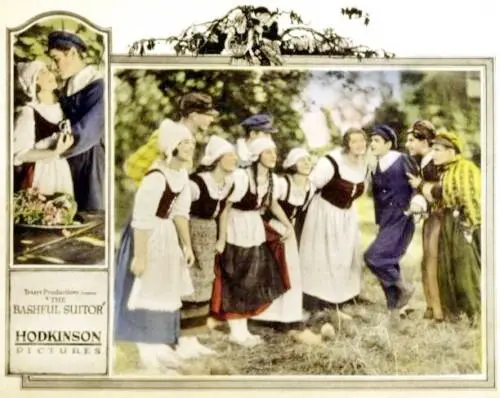
To fully appreciate The Bashful Suitor, one must consider the cinematic climate of 1921. During this period, United States was undergoing significant artistic shifts, and Herbert Blaché was at the forefront of this Drama movement, often challenging established norms.
| Cinematography | Static |
| Soundtrack | Orchestral |
| Editing | Slow-Burn |
| Art Direction | Brutalist |
Visualizing the convergence of Herbert Blaché's style and the core Drama narrative.
The painting by the same title was done by Josef Israels, and now hangs in the Metropolitan Museum of Art. A charming little story is woven around the characters pictured in the painting. The scenes are laid somewhere in Europe, where the peasants wear wooden shoes and make fine lace. The artist has painted a landscape when the characters walk on. Youth and bashful love inspires the painter, and he starts to work putting in the figures. A little drama evolves from innocent circumstances. The suitor is suspected of theft, the adopted child is taken away, and in the fight the pet dog is killed. But love wins out in the end. The production concludes with a shot of the original painting.
Decades after its release, The Bashful Suitor remains a vital piece of the cinematic puzzle. Its influence can be seen in countless modern works, solidifying Herbert Blaché's status as a master of the craft in United States and beyond.