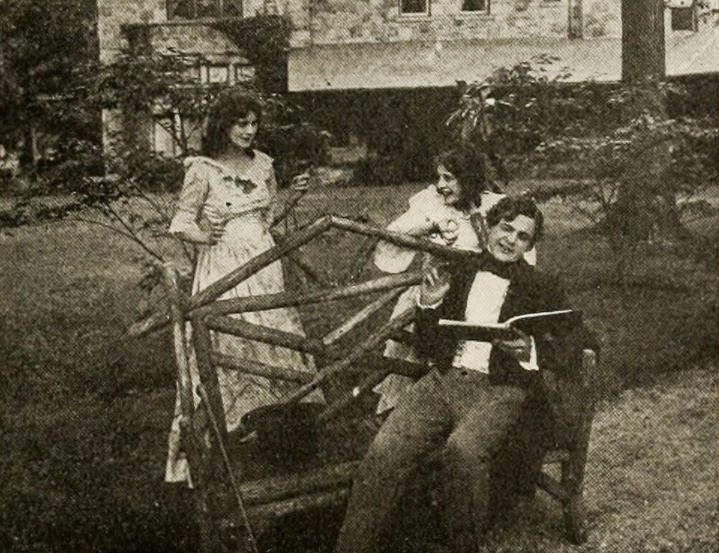
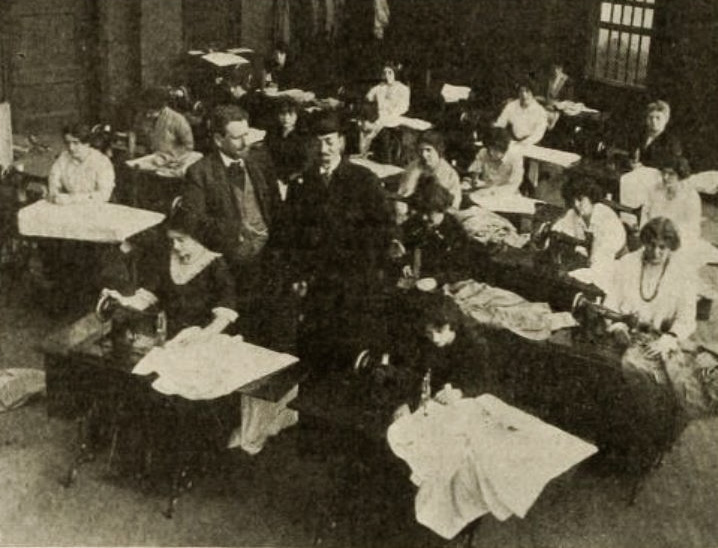
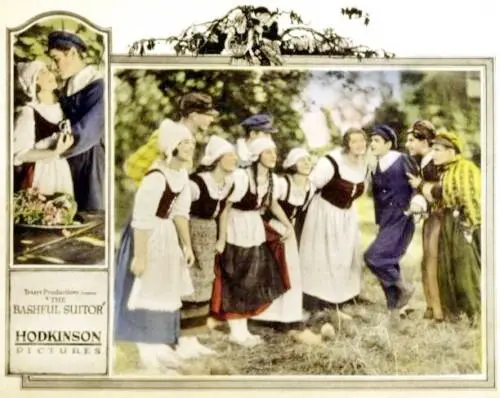
The painting by the same title was done by Josef Israels, and now hangs in the Metropolitan Museum of Art. A charming little story is woven around the characters pictured in the painting.
Arthur Maude
United States
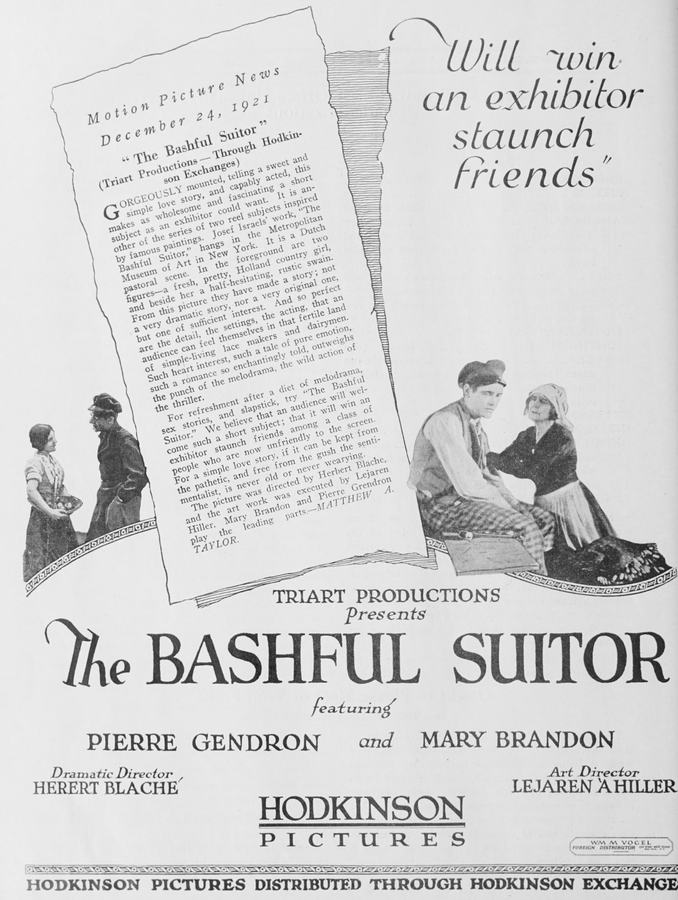
Mary Brandon’s eyelids weigh more than any intertitle; when they flutter, the whole Frisian sky seems to negotiate for daylight. She is the film’s living lace: holes and threads, absence and connection. Watch her in the mill—half-shadow, half-chaff—every strand of back-lighted hair a filament of narrative tension. Pi...
production_art
publicity
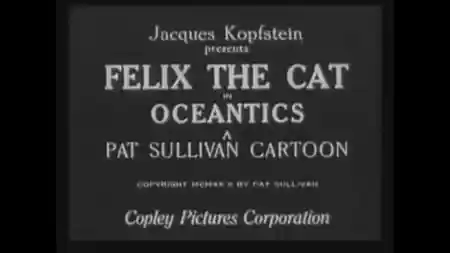
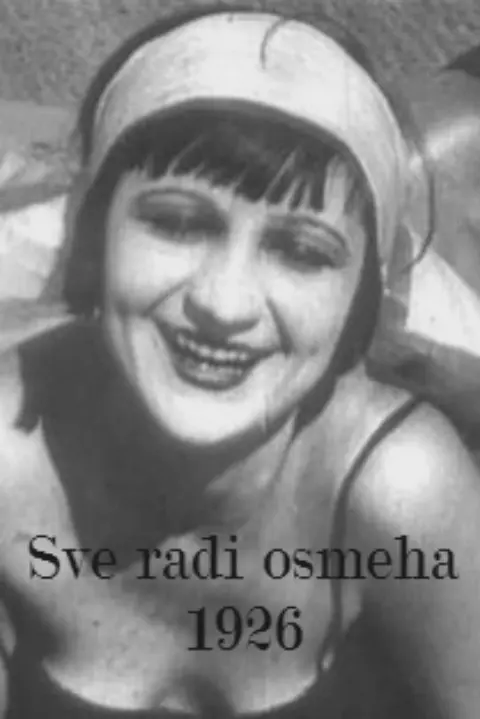
Comparing the cinematic DNA and archive impact of two defining moments in cult history.
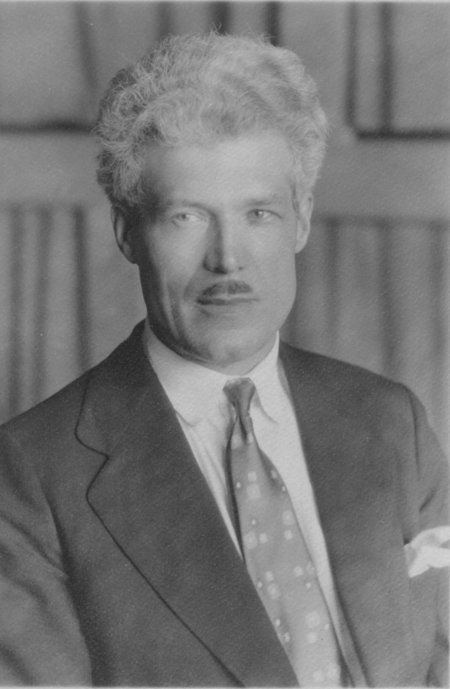
Herbert Blaché
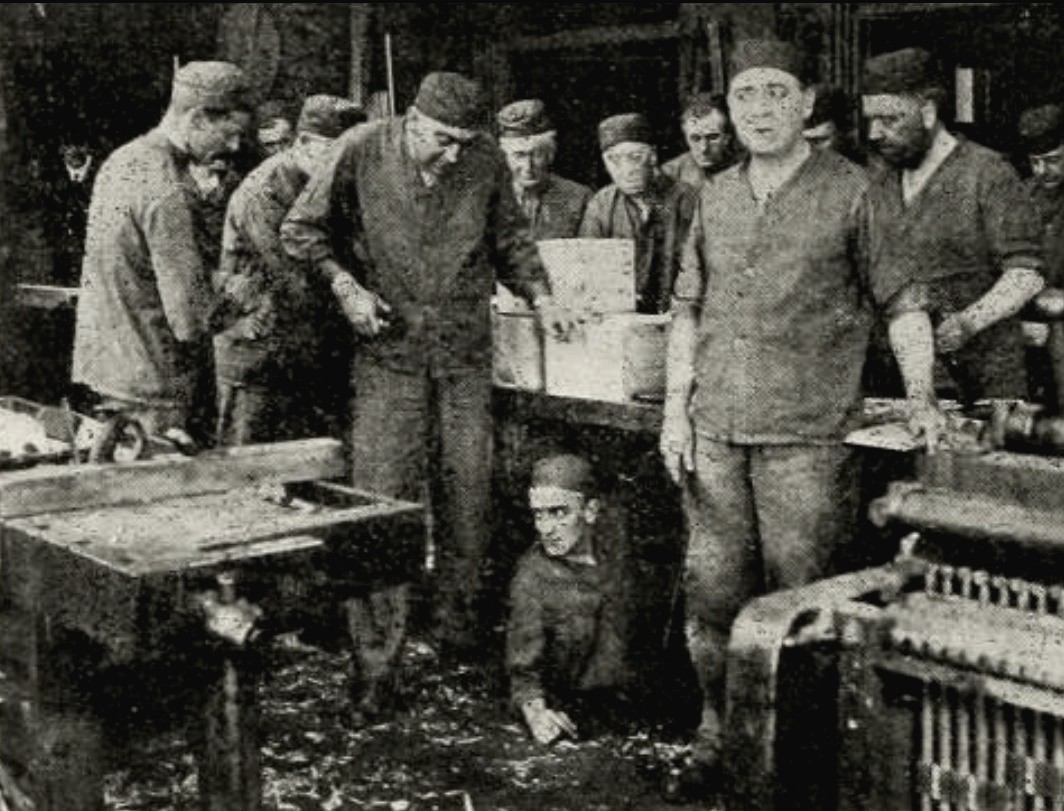
Herbert Blaché
Community
Log in to comment.
" Mary Brandon’s eyelids weigh more than any intertitle; when they flutter, the whole Frisian sky seems to negotiate for daylight. She is the film’s living lace: holes and threads, absence and connection. Watch her in the mill—half-shadow, half-chaff—every strand of back-lighted hair a filament of narrative tension. Pierre Gendron, conversely, is all cartilage and courtesy. His knees knock like loose clappers, yet the camera loves that hesitation; it makes space for the audience to insert their ..."
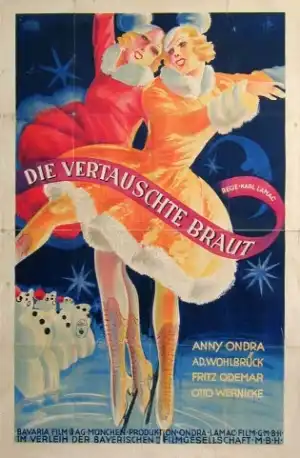
Deep dive into the cult classic
Discover similar cinematic experiences
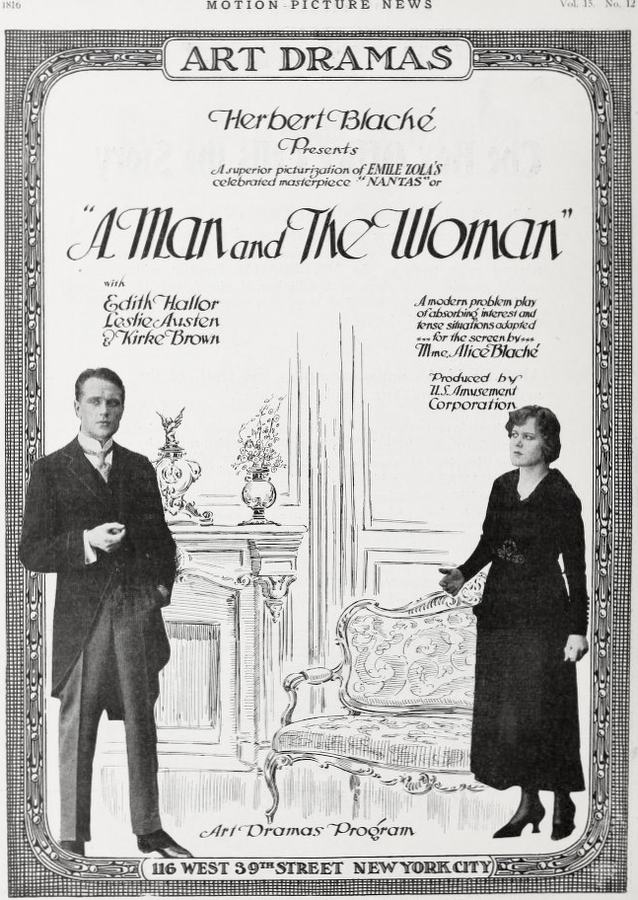
A Directorial Spotlight on Herbert Blaché