
DbcultAccessing Vault...
Director's Spotlight
Senior Film Conservator
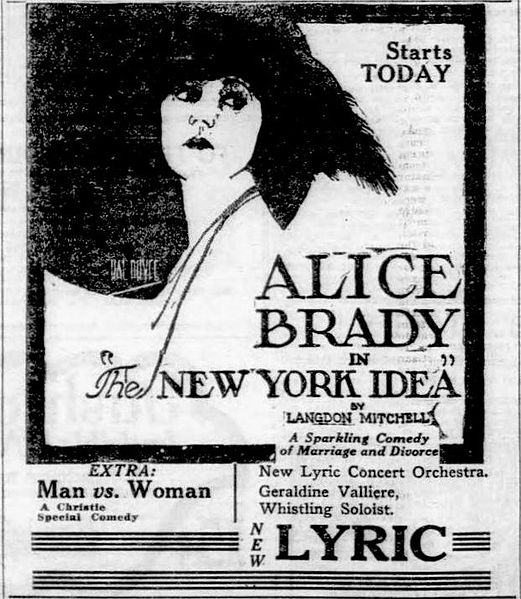
Director's Spotlight: United States
A Deep Dive into the 1920 Vision of Herbert Blaché
The thematic gravity of The New York Idea (1920) is rooted in the historical context that Herbert Blaché weaves into the cult fabric. Synthesizing the best elements of United States and international cinema, it highlights the importance of independent voices in United States.
In The New York Idea, Herbert Blaché pushes the boundaries of conventional narrative. The film's unique approach to its subject matter has sparked endless debates and interpretations among cinephiles and critics alike.
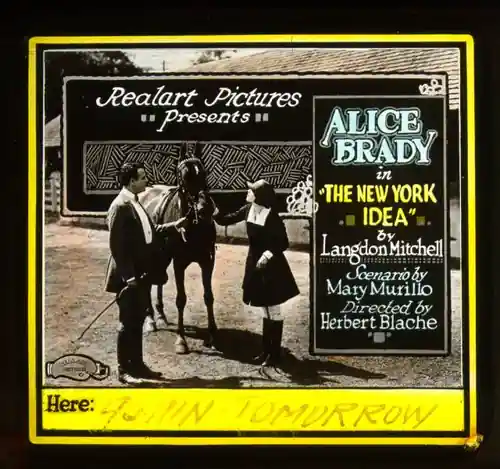
While deeply rooted in United States, The New York Idea has achieved a global reach, influencing directors from various backgrounds. Its ability to translate cult tropes into a universal cinematic language is why it remains a cult staple decades after its 1920 release.
| Cinematography | Noir-Inspired |
| Soundtrack | Diegetic |
| Editing | Elliptical |
| Art Direction | Expressionist |
Visualizing the convergence of Herbert Blaché's style and the core cult narrative.
Rich but frivolous, Cynthia and John Karslake obscure their love for each other by their constant quarreling. Cynthia grows jealous of her husband when, one day at the races, she notices Vida Phillimore, a recent divorcée, flirting with him. Using this incident to inflame all her other petty grievances, Cynthia ends up in divorce court presided over by Vida's ex-husband, Judge Phillip Phillimore. The judge allows Cynthia with a quiet divorce, and decides that she would make a charming second wife for him. As gossip connects Vida's name with John's, Cynthia is provoked into accepting the judge's marriage proposal. The foursome constantly meet at social affairs, but as the day approaches for Cynthia's wedding, she begins to realize that she still loves John. After continually postponing the wedding, Cynthia returns to her ex-husband, and the couple finally realize the meaning of love.
Decades after its release, The New York Idea remains a vital piece of the cinematic puzzle. Its influence can be seen in countless modern works, solidifying Herbert Blaché's status as a master of the craft in United States and beyond.