
DbcultAccessing Vault...
Director's Spotlight
Senior Film Conservator
Director's Spotlight: United States
A Deep Dive into the 1919 Vision of Herbert Blaché
The brilliance of The Parisian Tigress (1919) is inseparable from the visionary mind of its creator, Herbert Blaché. Serving as a mirror to the anxieties of a changing world, it persists as a haunting reminder of our own cinematic history.
In The Parisian Tigress, Herbert Blaché pushes the boundaries of conventional narrative. The film's unique approach to its subject matter has sparked endless debates and interpretations among cinephiles and critics alike.
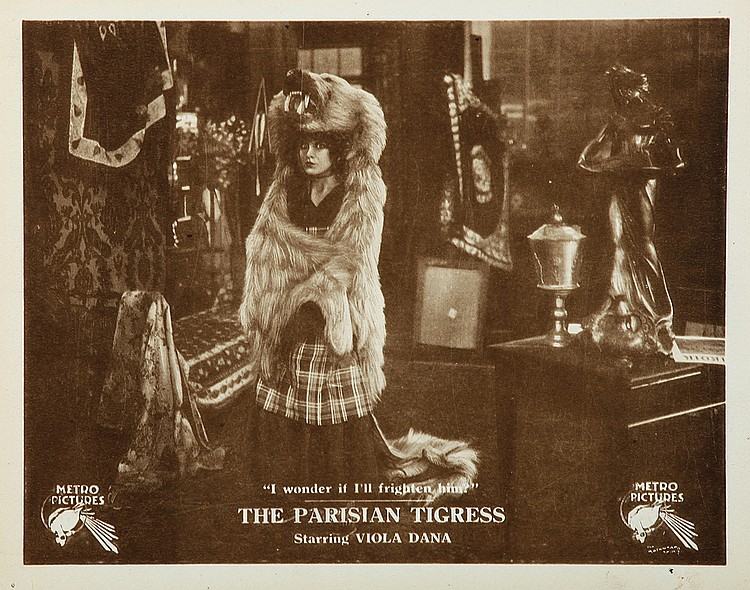
The visual language of The Parisian Tigress is defined by its use of shadows and framing, a hallmark of Herbert Blaché's style. By utilizing a 1919-era palette, the film creates an immersive experience that perfectly complements its cult themes.
| Cinematography | Noir-Inspired |
| Soundtrack | Experimental |
| Editing | Invisible |
| Art Direction | Kitsch |
Visualizing the convergence of Herbert Blaché's style and the core cult narrative.
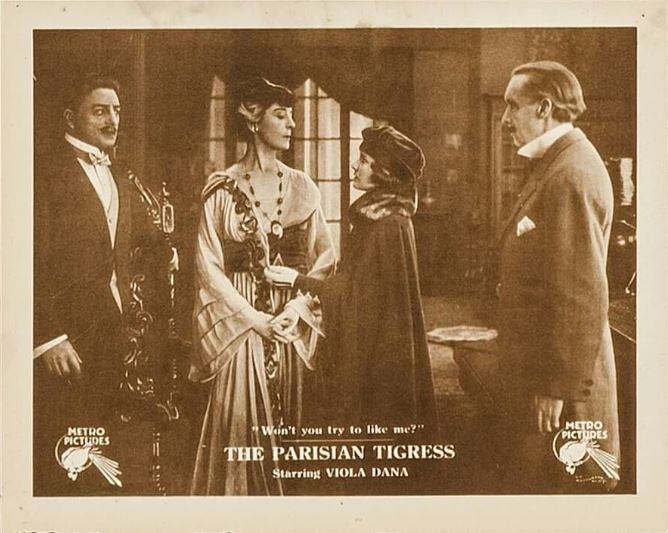
The invalid Count de Suchet, nearing death, tells his friend, artist Henri Dutray, about the tragic events of his early life. He secretly married a dancer, and after she gave birth to a daughter, his father convinced her that she was ruining her husband's life. She gave the baby to an old couple, and then killed herself. The grieving count now worries about his daughter. Meanwhile, Jeanne, an Apache dancer in Montmartre, refuses to be sold by her brother Jacques to an old rogue. After she escapes and hides in Henri's studio, Henri, because he needs money, plots with Jacques to make the count believe that Jeanne is his daughter. Although Jeanne rebels at first, she moves in with the count and grows to love him. After the count dies happily, Jacques robs the count's safe and finds a photograph of Jeanne's mother. The butler shoots him, but before he dies, he reveals that Jeanne really is the count's daughter. Jeanne then marries a boy from the adjoining estate.
Decades after its release, The Parisian Tigress remains a vital piece of the cinematic puzzle. Its influence can be seen in countless modern works, solidifying Herbert Blaché's status as a master of the craft in United States and beyond.