
DbcultAccessing Vault...
Director's Spotlight
Senior Film Conservator
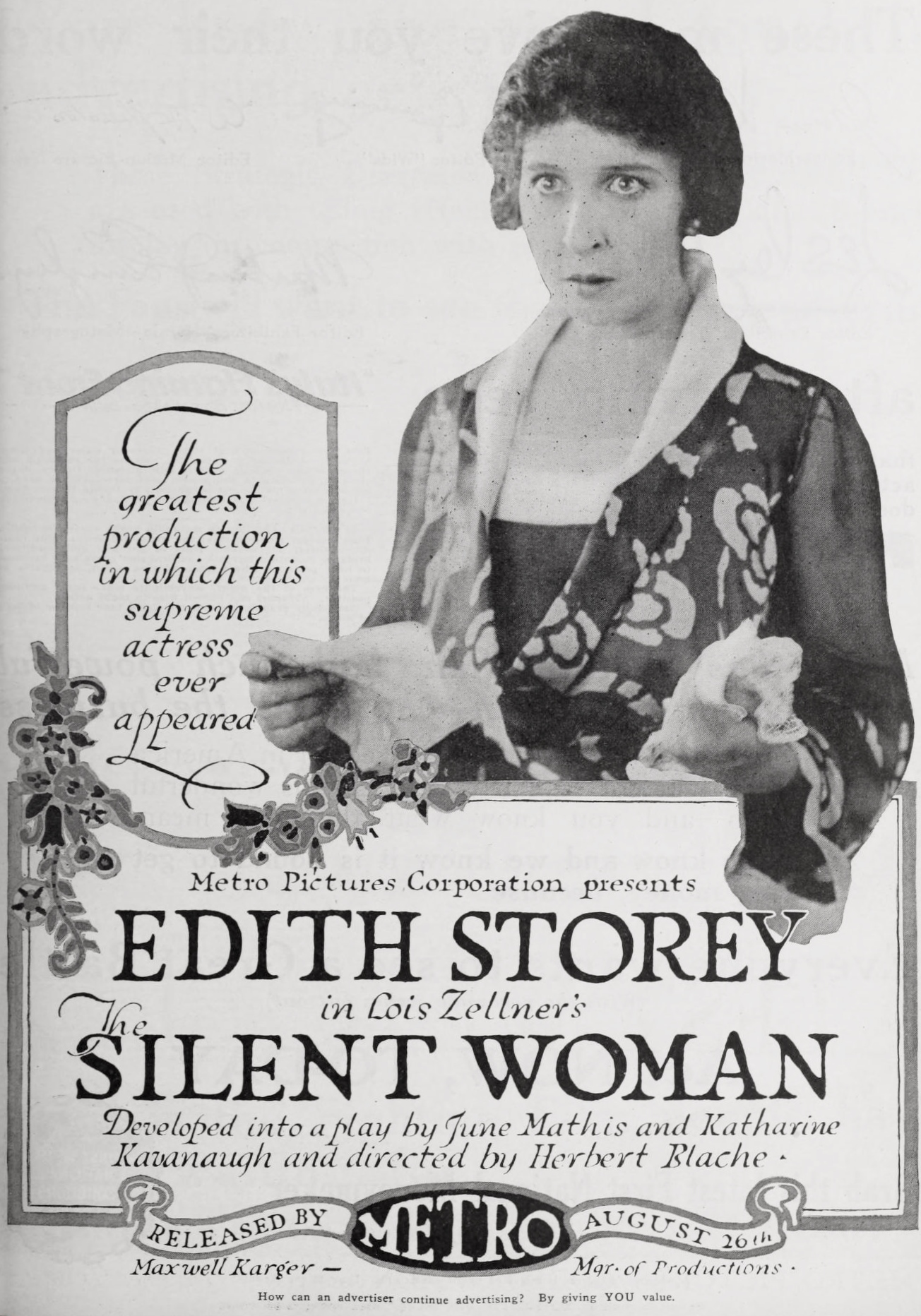
Director's Spotlight: United States
A Deep Dive into the 1918 Vision of Herbert Blaché
When we examine the cinematic landscape of United States, The Silent Woman emerges as a landmark work of the enduring legacy of Herbert Blaché's artistic contribution to the genre. Through a lens of existential fatalism and cult tropes, it captures a specific kind of cinematic magic that is rarely replicated.
In The Silent Woman, Herbert Blaché pushes the boundaries of conventional narrative. The film's unique approach to its subject matter has sparked endless debates and interpretations among cinephiles and critics alike.
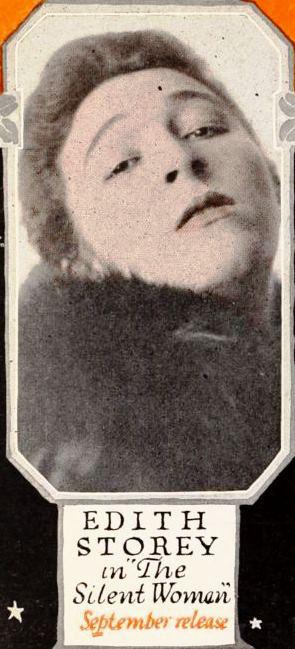
In this work, Herbert Blaché explores the intersection of cult and United States cultural identity. The meticulous attention to detail suggests a deep-seated commitment to pushing the boundaries of the medium, ensuring that The Silent Woman remains a relevant topic of study for cult enthusiasts.
| Cinematography | Deep Focus |
| Soundtrack | Experimental |
| Editing | Elliptical |
| Art Direction | Expressionist |
Visualizing the convergence of Herbert Blaché's style and the core cult narrative.
When John Lowery, his wife Mary and their small son Billy journey to a Northern lumber camp to visit its owner, Clifford Beresford, Mary becomes infatuated with the lumberman and neglects her little boy. A Hudson Bay Company clerk named Nan McDonald, known as the "angel of the lumberjacks," forms such a strong attachment to the child that although he becomes seriously ill, Billy refuses to take his medicine unless Nan dispenses it. Watching over him late one night, Nan sees Mary steal from her room to keep a midnight appointment with Clifford, but when Mary falls down the stairs to her death, Nan maintains her silence for John's sake. Heartbroken, John asks Nan to return with him to the East as Billy's governess, but local gossips misinterpret her presence in John's house and he marries her. Informed that John still loves only his dead wife, the unhappy Nan allows Clifford to flirt with her, whereupon John learns the truth about Mary and opens his heart to the woman who really loves him.
Decades after its release, The Silent Woman remains a vital piece of the cinematic puzzle. Its influence can be seen in countless modern works, solidifying Herbert Blaché's status as a master of the craft in United States and beyond.