
DbcultAccessing Vault...
Director's Spotlight
Senior Film Conservator
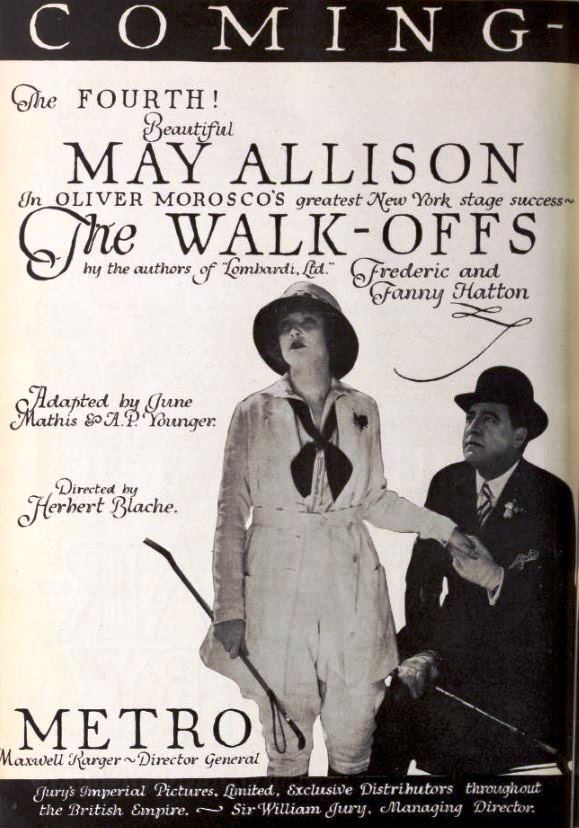
Director's Spotlight: United States
A Deep Dive into the 1920 Vision of Herbert Blaché
The 1920 release of The Walk-Offs marked a significant moment for the enduring legacy of Herbert Blaché's artistic contribution to the genre. By challenging the status quo of 1920 cinema, it has cemented its place in the global cult cinema archive.
In The Walk-Offs, Herbert Blaché pushes the boundaries of conventional narrative. The film's unique approach to its subject matter has sparked endless debates and interpretations among cinephiles and critics alike.
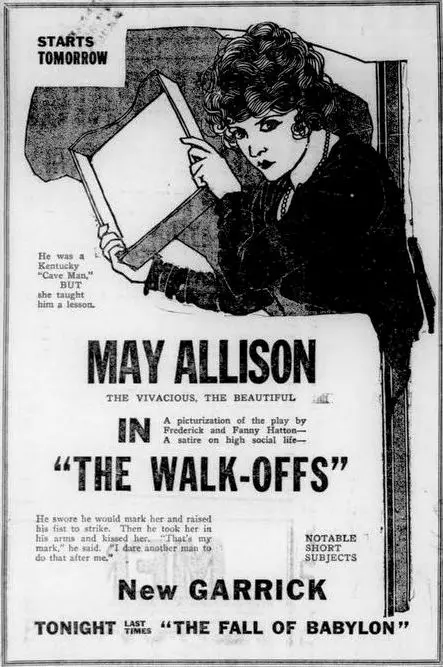
To fully appreciate The Walk-Offs, one must consider the cinematic climate of 1920. During this period, United States was undergoing significant artistic shifts, and Herbert Blaché was at the forefront of this Comedy movement, often challenging established norms.
| Cinematography | High-Contrast |
| Soundtrack | Experimental |
| Editing | Elliptical |
| Art Direction | Expressionist |
Visualizing the convergence of Herbert Blaché's style and the core Comedy narrative.
After Schuyler Rutherford's divorce from his rich wife Caroline, who was his meal ticket, his sister Kathleen is so humiliated by the fact that her penniless condition was brought to light during the court proceedings that she seeks solace in her sculptor friend Mary Carter, who offers her a job as her secretary. While working, she becomes acquainted with Mary's wealthy cousin Robert Winston when she overhears him denouncing parasitic girls like Kathleen. Vowing revenge, Kathleen assumes a false name and obtains a position as Robert's secretary, determined to make him fall in love with her. Kathleen's plan succeeds, and then, to spite Robert, she announces her engagement to wealthy Murray Van Allan. After a series of incidents, Robert makes Kathleen realize that she really loves him and, after forgiving him, she agrees to be his wife.
Decades after its release, The Walk-Offs remains a vital piece of the cinematic puzzle. Its influence can be seen in countless modern works, solidifying Herbert Blaché's status as a master of the craft in United States and beyond.