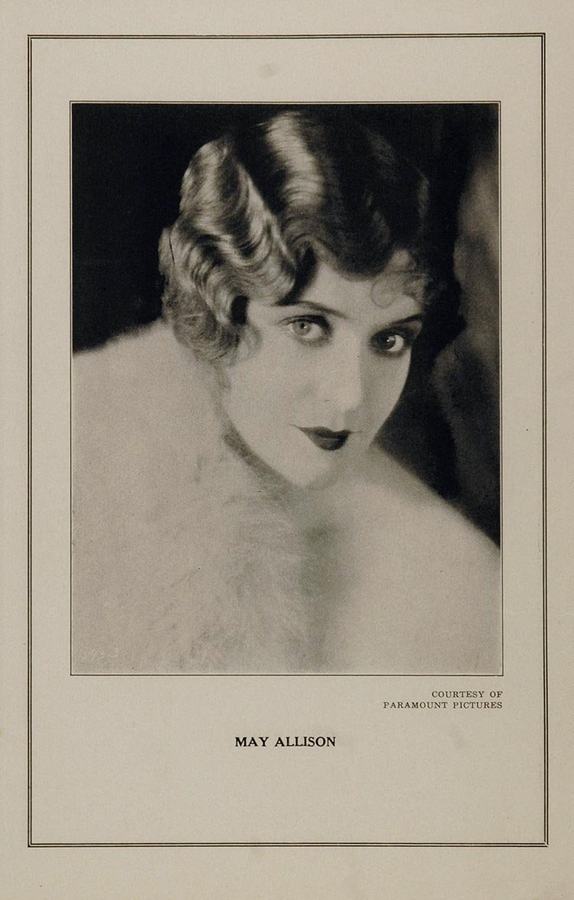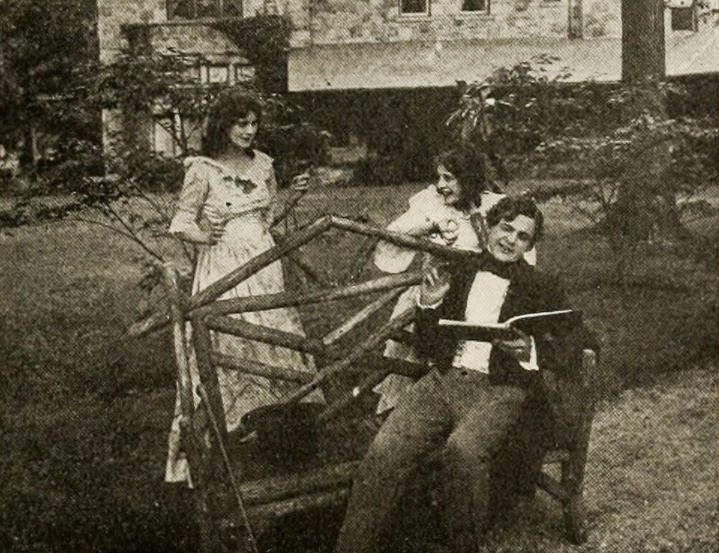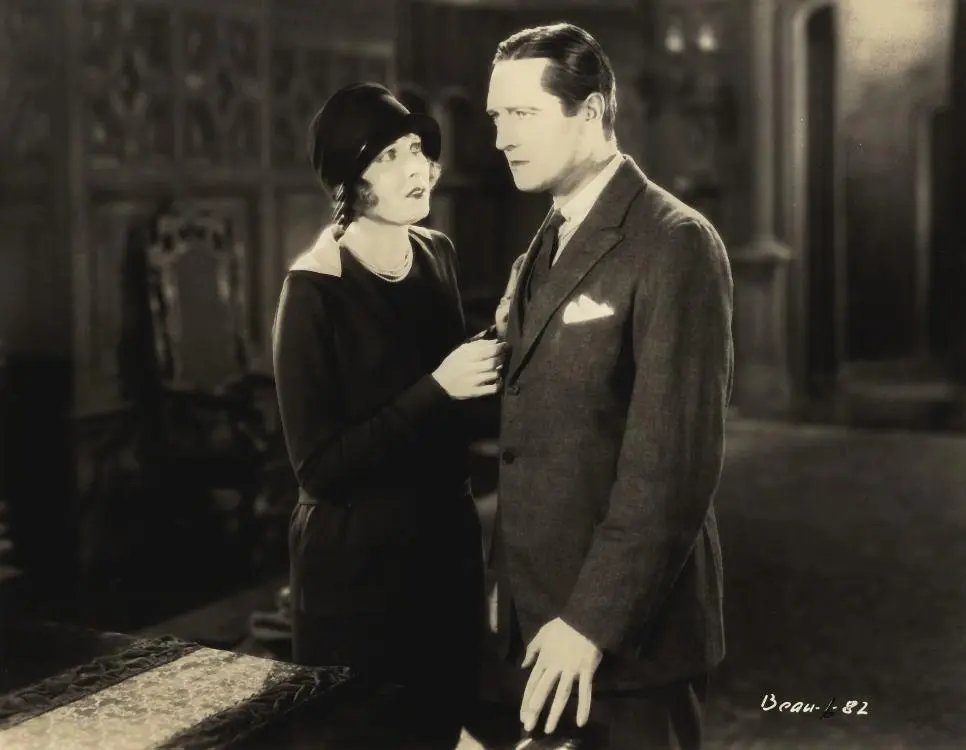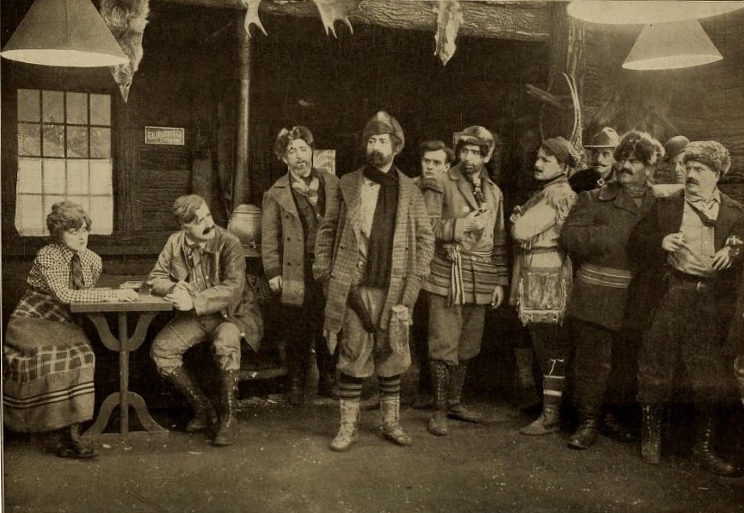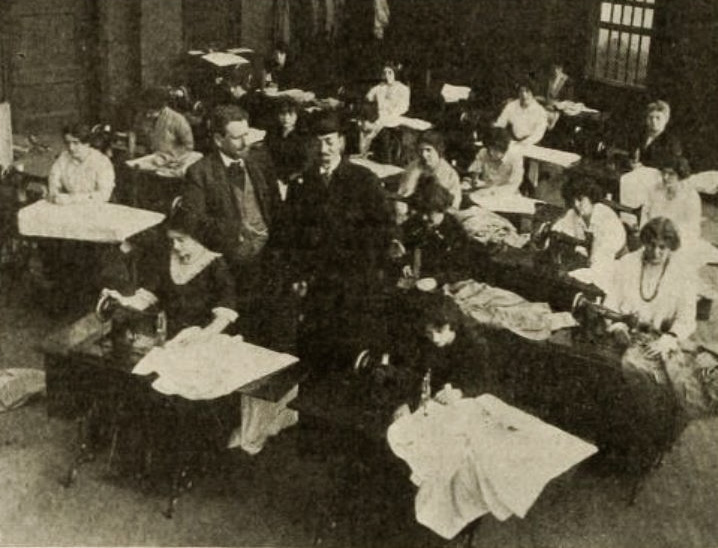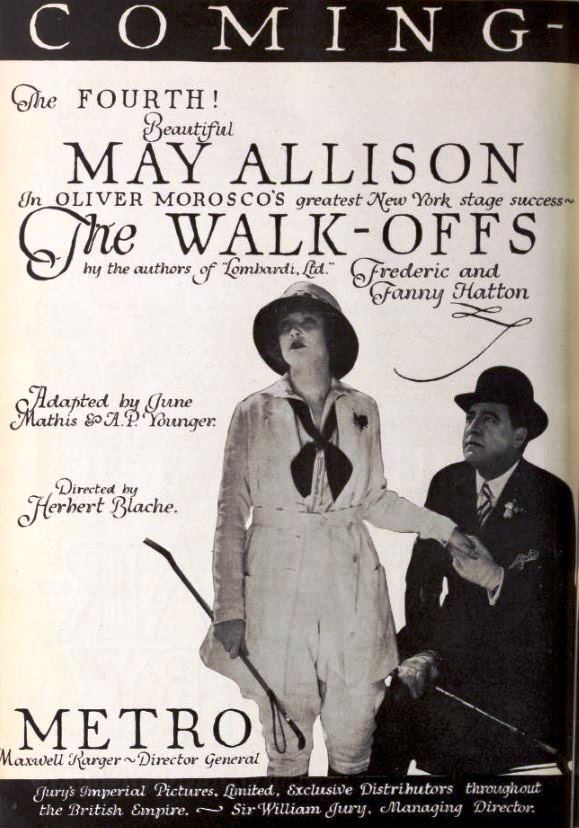
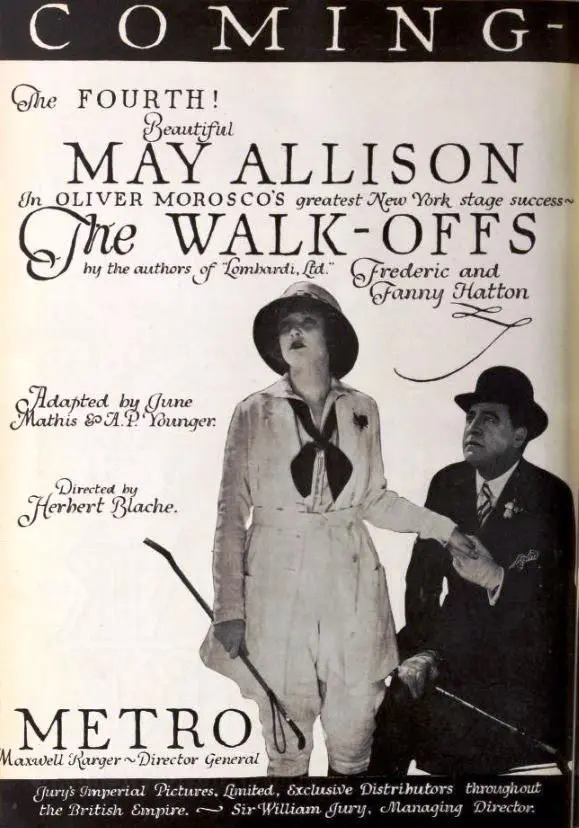
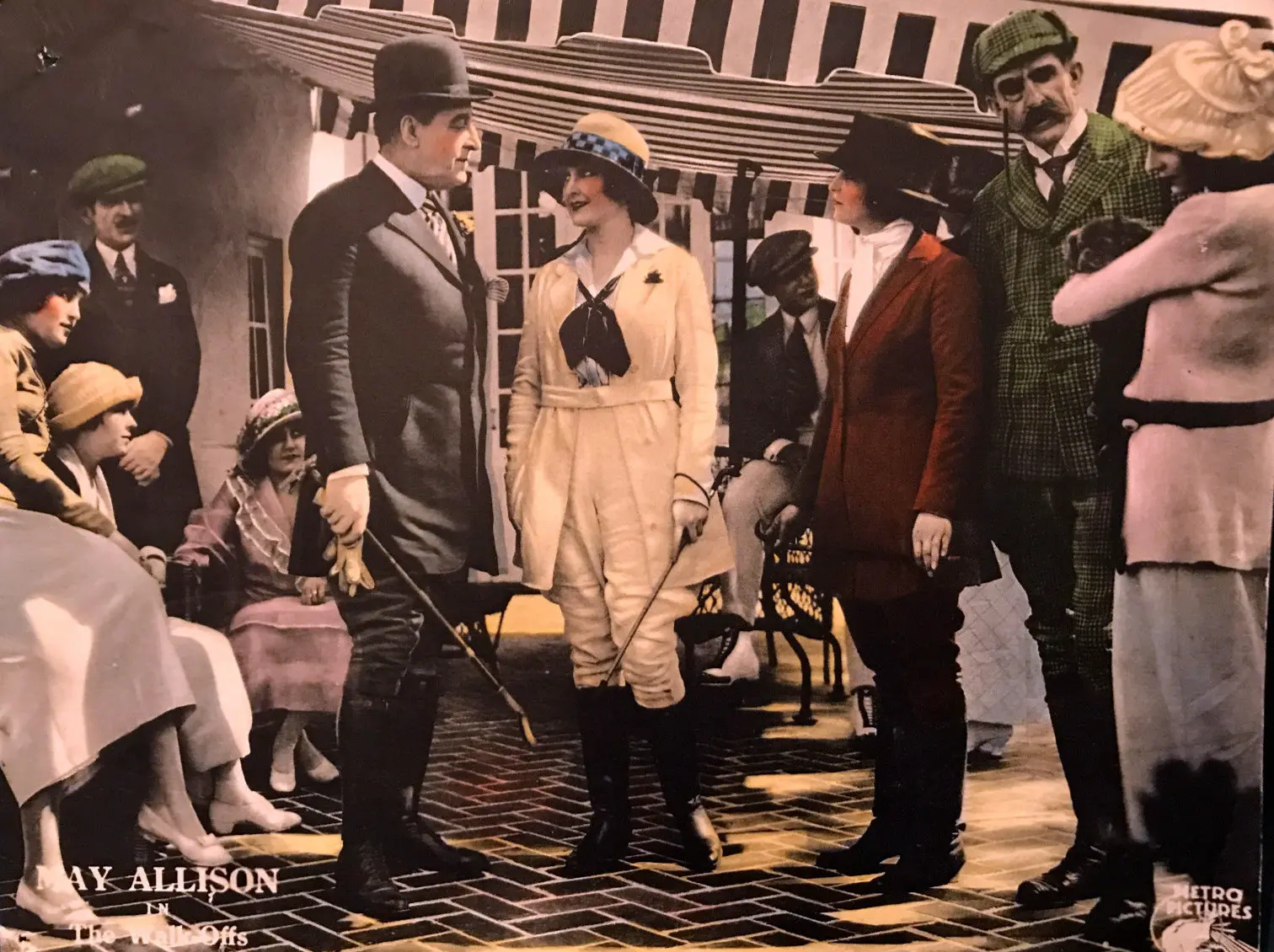
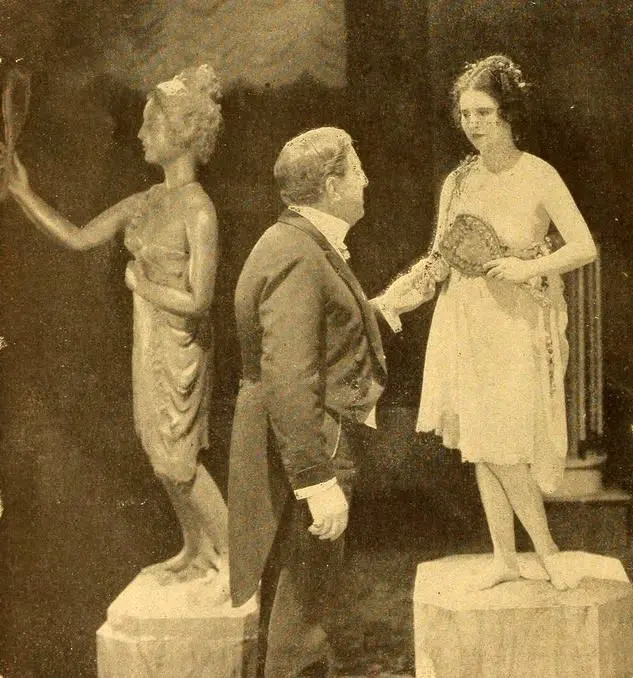
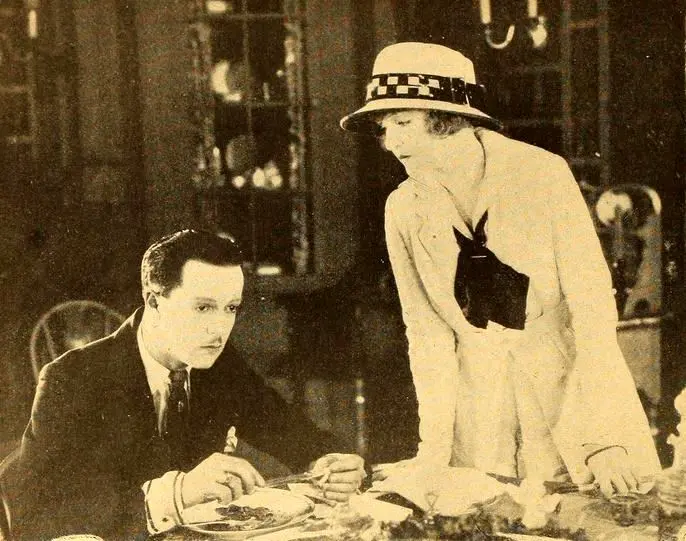
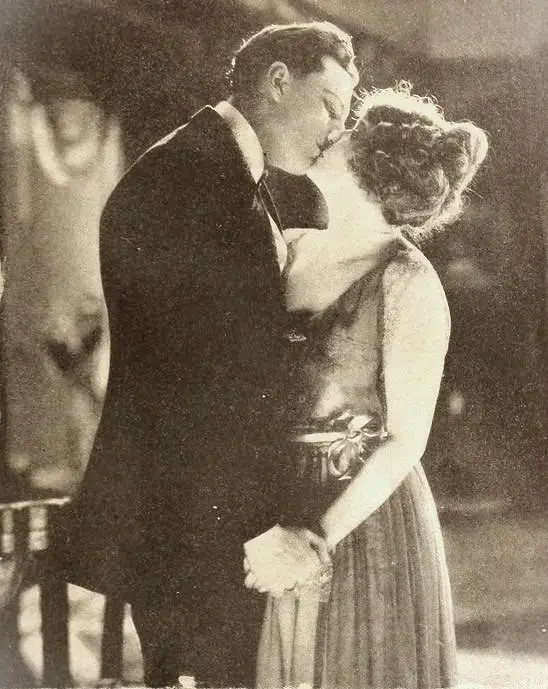
After Schuyler Rutherford's divorce from his rich wife Caroline, who was his meal ticket, his sister Kathleen is so humiliated by the fact that her penniless condition was brought to light during the court proceedings that she seeks solace in her sculptor friend Mary Carter, who offers her a job as her secretary. While working, she becomes acquainted with Mary's wealthy cousin Robert Winston when she overhears him denouncing parasitic girls like Kathleen.
There is a moment—wordless, razor-thin—when May Allison’s Kathleen tilts her chin toward the camera, the courthouse pillars behind her yawning like the maw of respectability itself. Divorce papers flutter downward in lazy spirals, black ink wings against white marble. In that sliver of celluloid, director William C. ...
production_art
still_frame
publicity
still_frame
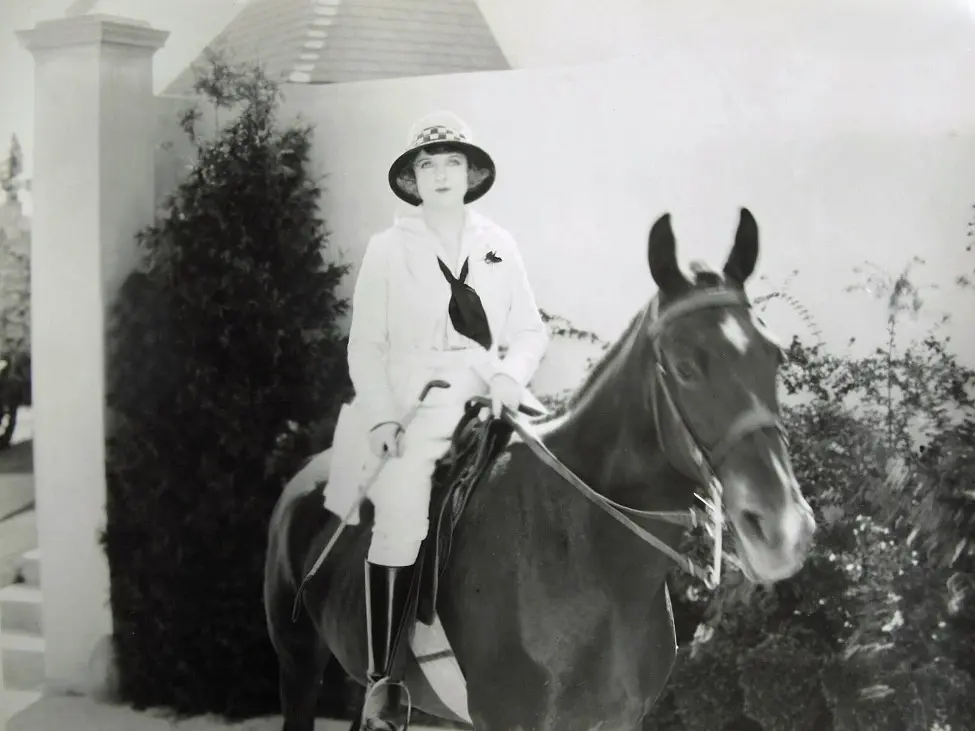
still_frame
still_frame
still_frame
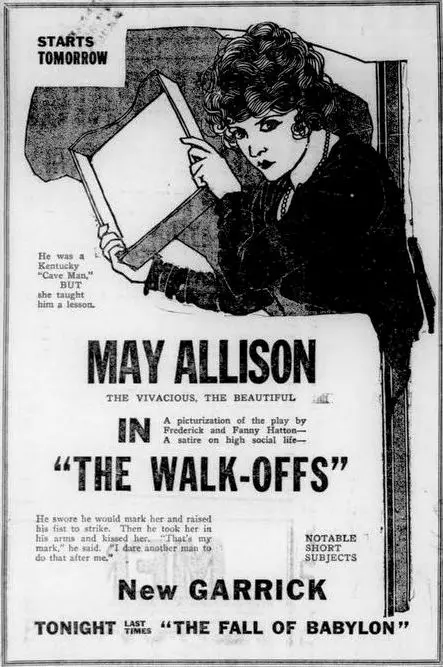
production_art
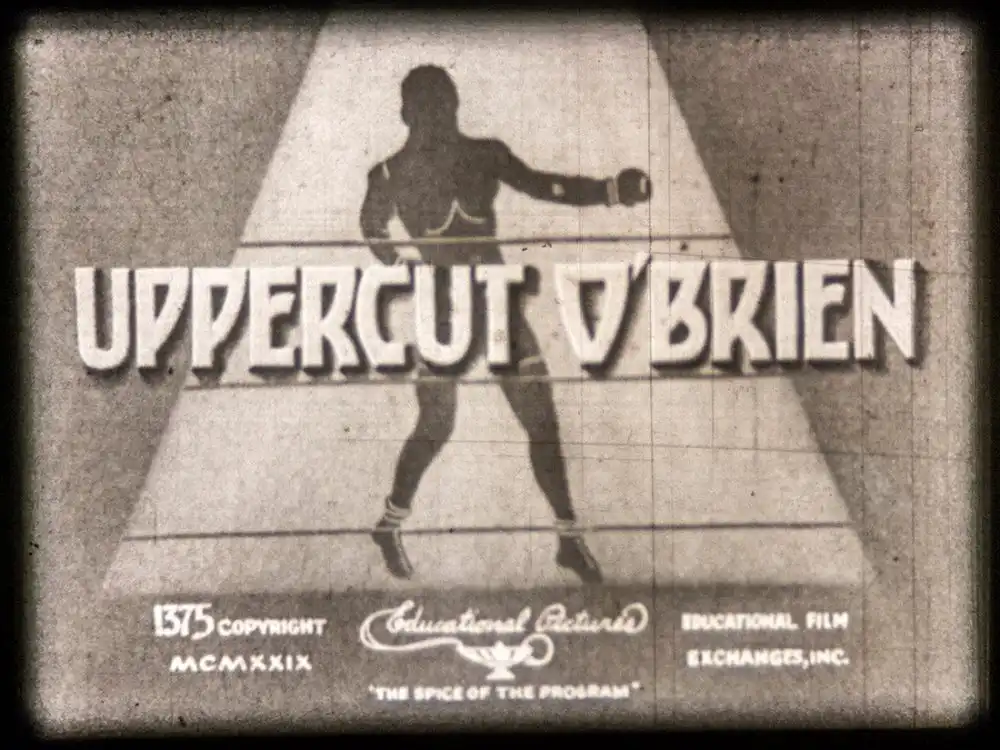
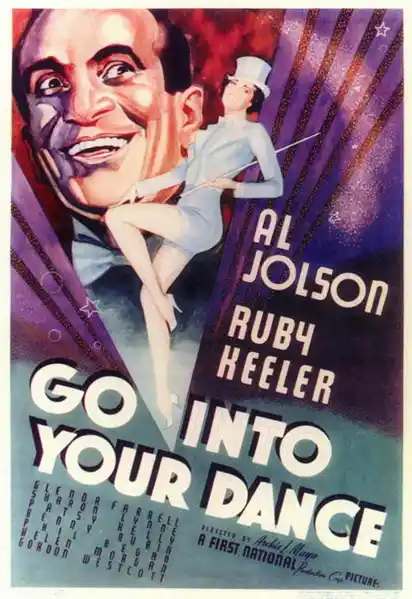
Comparing the cinematic DNA and archive impact of two defining moments in cult history.
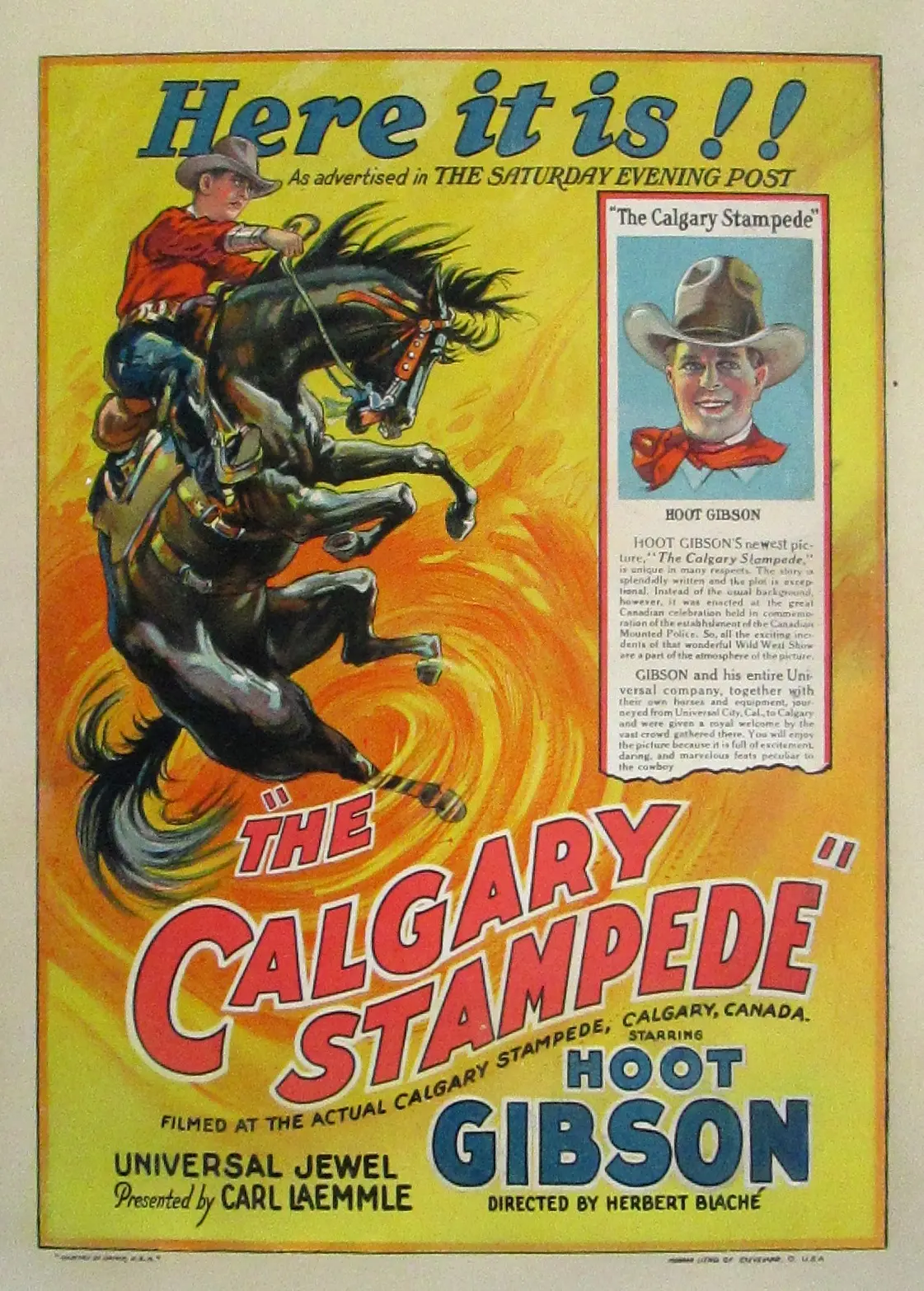
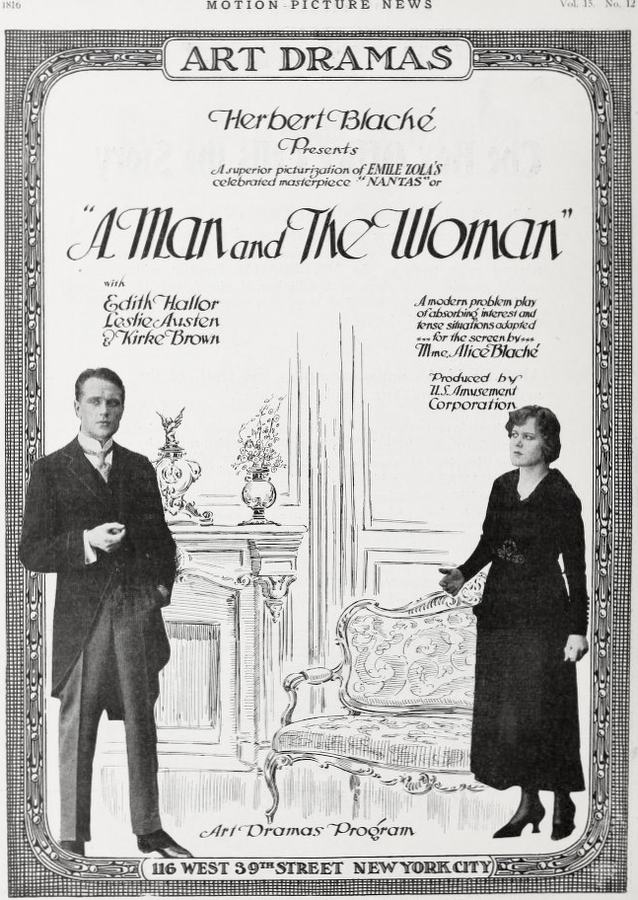
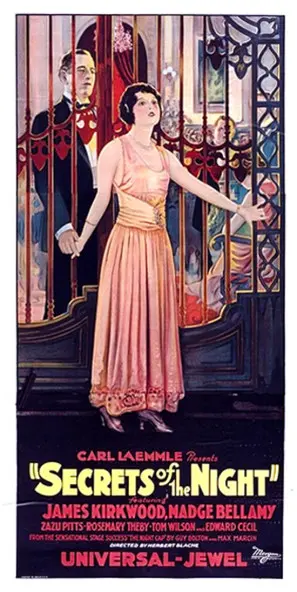
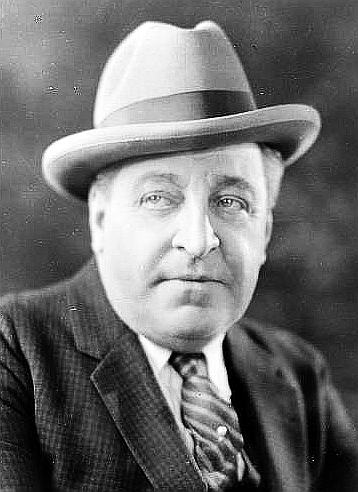
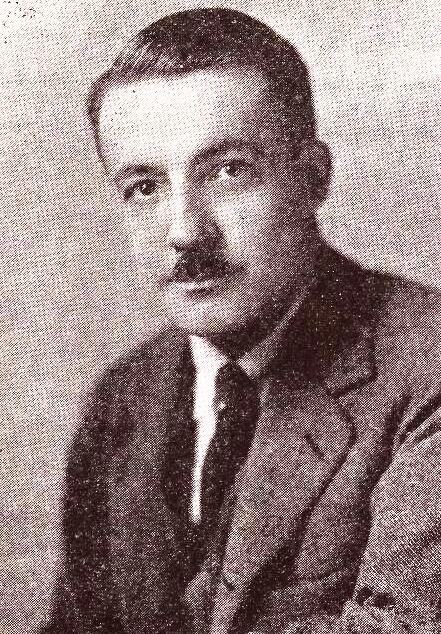
Herbert Blaché
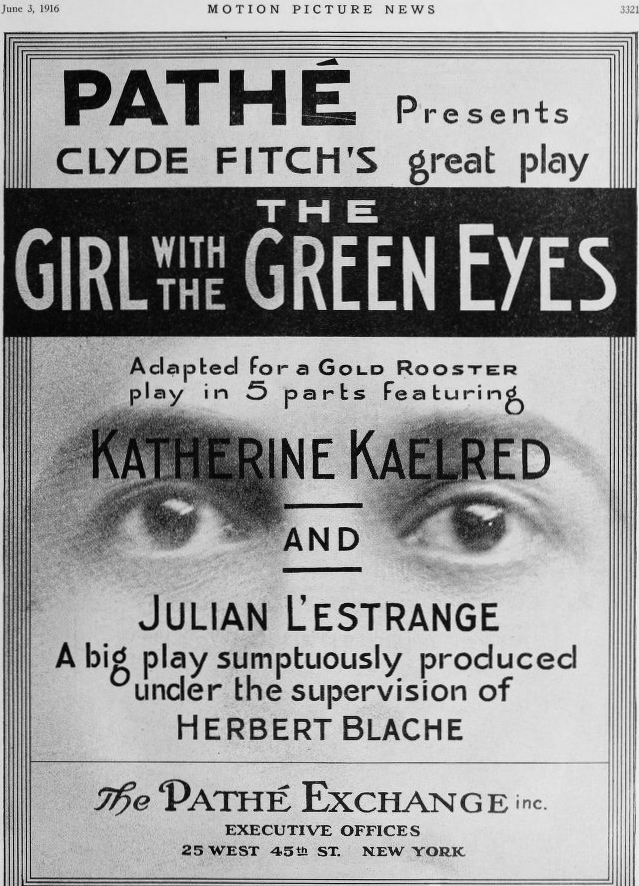
Herbert Blaché
Community
Log in to comment.
" There is a moment—wordless, razor-thin—when May Allison’s Kathleen tilts her chin toward the camera, the courthouse pillars behind her yawning like the maw of respectability itself. Divorce papers flutter downward in lazy spirals, black ink wings against white marble. In that sliver of celluloid, director William C. deMille crystallizes the entire Jazz-Age terror of being found out. The Walk-Offs is not merely a confection of thwarted love; it is a surgical dissection of how liquidity—emotiona..."
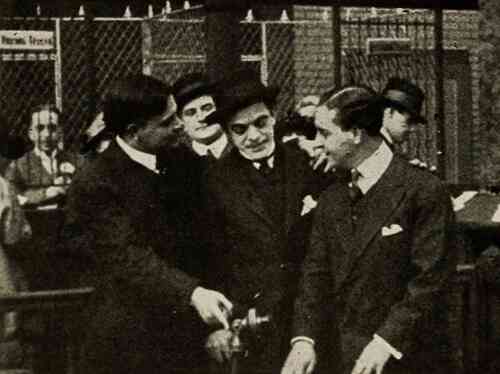
Richard Morris
Andrew Percival Younger, Frederic Hatton, June Mathis, Fanny Hatton
United States
Deep dive into the cult classic
Discover similar cinematic experiences
A Directorial Spotlight on Herbert Blaché