
DbcultAccessing Vault...
Director's Spotlight
Senior Film Conservator
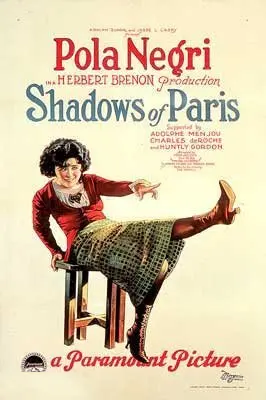
Director's Spotlight: United States
A Deep Dive into the 1924 Vision of Herbert Brenon
The thematic gravity of Shadows of Paris (1924) is rooted in the artistic risks taken by Herbert Brenon that eventually paid off. Defining a new era of United States artistic expression, it demands to be seen by anyone who cares about the art of film.
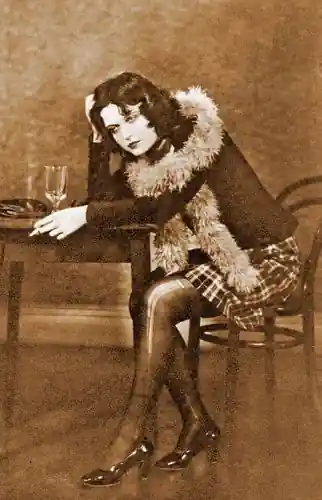
In Shadows of Paris, Herbert Brenon pushes the boundaries of conventional narrative. The film's unique approach to its subject matter has sparked endless debates and interpretations among cinephiles and critics alike.
| Cinematography | Handheld |
| Soundtrack | Experimental |
| Editing | Elliptical |
| Art Direction | Expressionist |
Visualizing the convergence of Herbert Brenon's style and the core Drama narrative.
At the end of the war, Claire, queen of the Paris underground, finds herself in Paris high society. Believing that her apache lover, Fernand, has been killed in the war, Claire falls in love with Raoul, a French official. De Croy, Raoul's secretary, learns of Claire's past and threatens to expose her unless she yields to him. Fernand returns; Claire realizes that she no longer loves him; and while attempting to steal a diamond necklace, he is killed in a fight with De Croy, who has come to Claire's boudoir to collect his debt. Raoul returns during the fracas, and De Croy keeps Claire's secret by declaring that he has killed a common thief stealing madame's jewels. Claire, however, confesses the truth and is about to leave when Raoul forgives her.
Decades after its release, Shadows of Paris remains a vital piece of the cinematic puzzle. Its influence can be seen in countless modern works, solidifying Herbert Brenon's status as a master of the craft in United States and beyond.