
DbcultAccessing Vault...
Director's Spotlight
Senior Film Conservator
Director's Spotlight: United States
A Deep Dive into the 1915 Vision of Herbert Brenon
The cult DNA of The Soul of Broadway is a reflection of United States's the subversive storytelling techniques employed by Herbert Brenon in 1915. Breaking the traditional rules of cult engagement, it leaves an indelible mark on the soul of the viewer.
In The Soul of Broadway, Herbert Brenon pushes the boundaries of conventional narrative. The film's unique approach to its subject matter has sparked endless debates and interpretations among cinephiles and critics alike.
| Cinematography | High-Contrast |
| Soundtrack | Orchestral |
| Editing | Invisible |
| Art Direction | Kitsch |
Visualizing the convergence of Herbert Brenon's style and the core cult narrative.
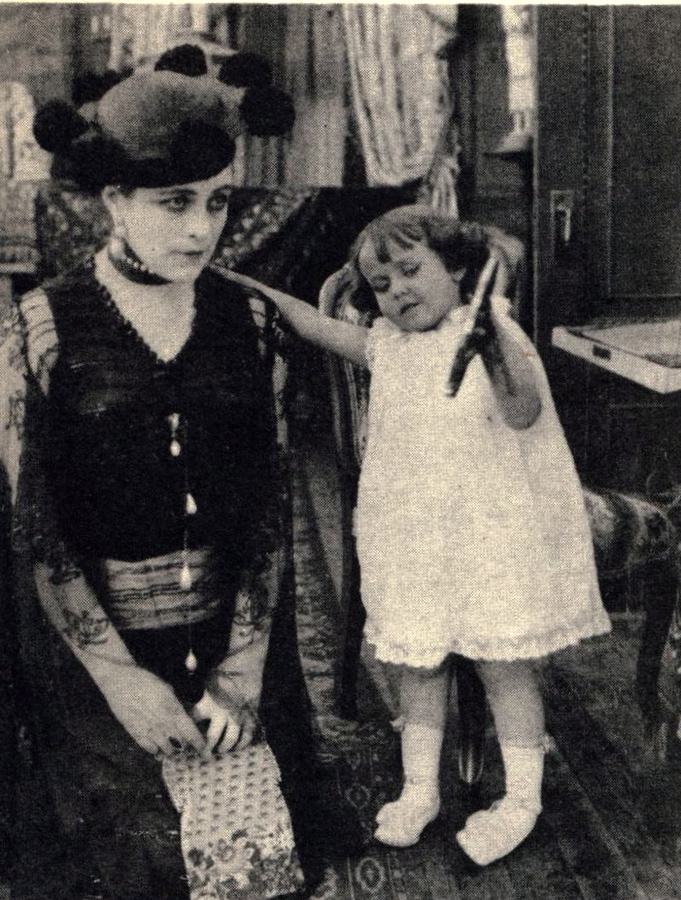
Grace Leonard, a typical woman of the New York stage, beautiful but old in sin, seduces William Craig, who becomes a thief in order to shower luxuries upon her. He is sentenced to prison and emerges five years later as a sad-faced, gray-haired man, entirely cured of his mad passion for La Valencia. But she sees him and her old passion is stirred, caring not that since his release from prison he has fallen in love and married a good woman who knows nothing of his past. When William is not swayed by her fascinations, Grace threatens to expose his past life.
Decades after its release, The Soul of Broadway remains a vital piece of the cinematic puzzle. Its influence can be seen in countless modern works, solidifying Herbert Brenon's status as a master of the craft in United States and beyond.