
DbcultAccessing Vault...
Director's Spotlight
Senior Film Conservator
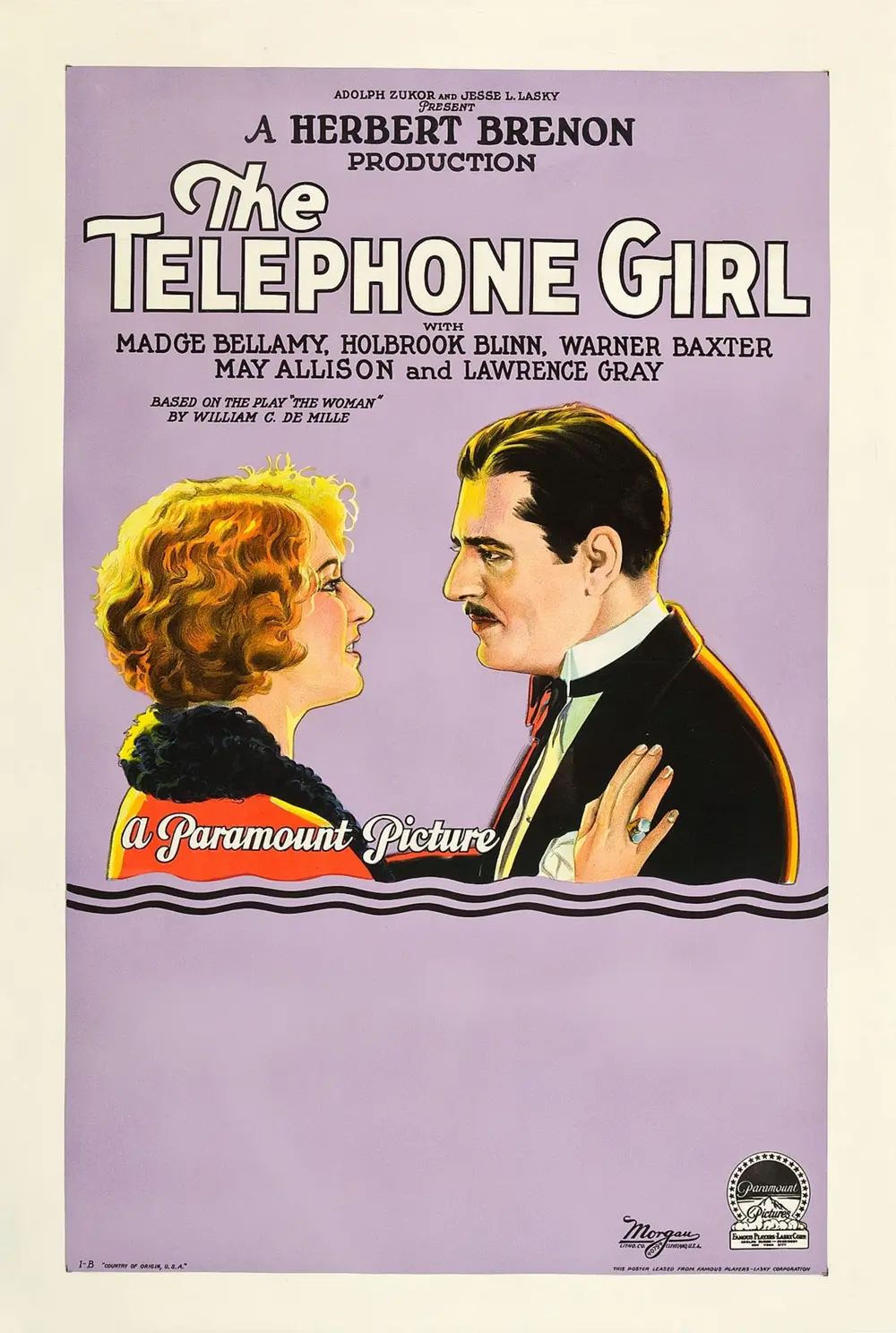
Director's Spotlight: United States
A Deep Dive into the 1927 Vision of Herbert Brenon
The Drama DNA of The Telephone Girl is a reflection of United States's the subversive storytelling techniques employed by Herbert Brenon in 1927. Breaking the traditional rules of Drama engagement, it leaves an indelible mark on the soul of the viewer.
In The Telephone Girl, Herbert Brenon pushes the boundaries of conventional narrative. The film's unique approach to its subject matter has sparked endless debates and interpretations among cinephiles and critics alike.
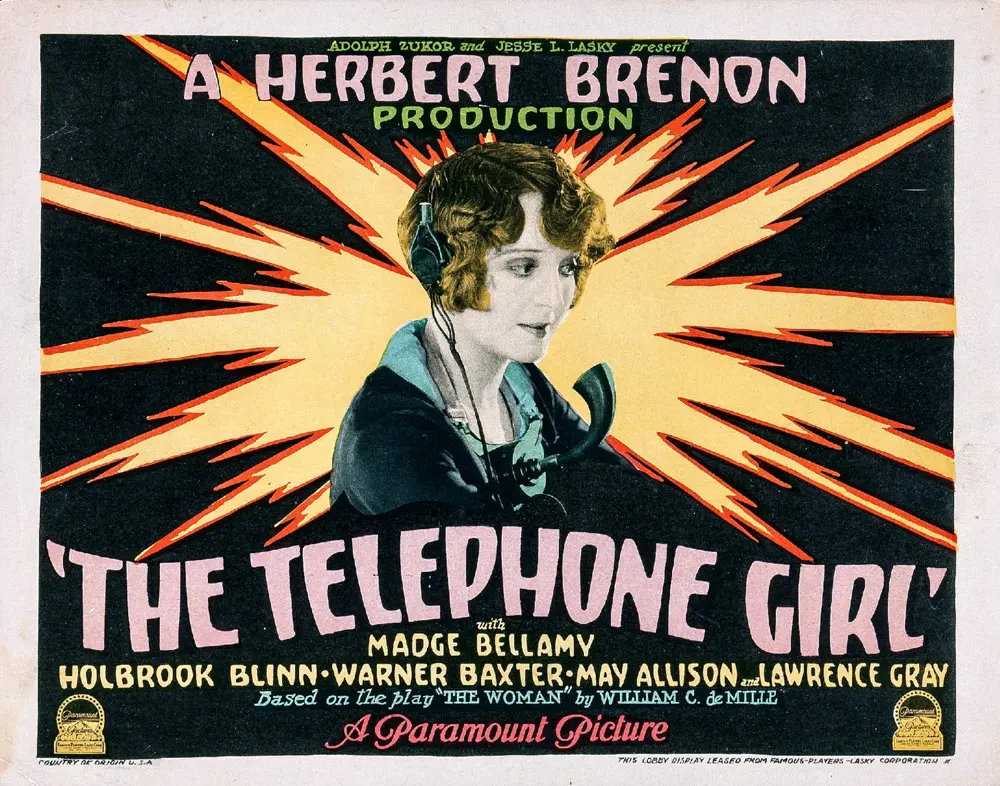
To fully appreciate The Telephone Girl, one must consider the cinematic climate of 1927. During this period, United States was undergoing significant artistic shifts, and Herbert Brenon was at the forefront of this Drama movement, often challenging established norms.
| Cinematography | Static |
| Soundtrack | Experimental |
| Editing | Invisible |
| Art Direction | Kitsch |
Visualizing the convergence of Herbert Brenon's style and the core Drama narrative.
Political boss Jim Blake, supports his son-in-law, Mark Robinson running for governor. They discover that Robinson's opponent registered in a hotel as "Matthew Standish and wife" three years before his marriage. Blake traps Standish into attempting to warn the girl in question of this discovery, but Kitty, a telephone operator important to their scheme, refuses to cooperate. Eventually the facts are sorted out, and Kitty marries Blake's son, Tom.
Decades after its release, The Telephone Girl remains a vital piece of the cinematic puzzle. Its influence can be seen in countless modern works, solidifying Herbert Brenon's status as a master of the craft in United States and beyond.