
DbcultAccessing Vault...
Director's Spotlight
Senior Film Conservator
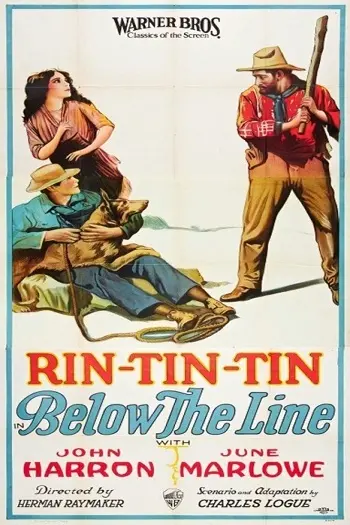
Director's Spotlight: United States
A Deep Dive into the 1925 Vision of Herman C. Raymaker
The artistic breakthrough represented by Below the Line in 1925 highlights the uncompromising vision of Herman C. Raymaker that defines this Drama masterpiece. In the context of United States's rich cinematic history, it captures a specific kind of cinematic magic that is rarely replicated.
In Below the Line, Herman C. Raymaker pushes the boundaries of conventional narrative. The film's unique approach to its subject matter has sparked endless debates and interpretations among cinephiles and critics alike.
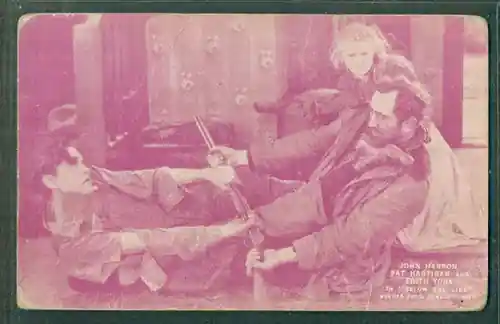
The visual language of Below the Line is defined by its use of shadows and framing, a hallmark of Herman C. Raymaker's style. By utilizing a 1925-era palette, the film creates an immersive experience that perfectly complements its Drama themes.
| Cinematography | Handheld |
| Soundtrack | Orchestral |
| Editing | Slow-Burn |
| Art Direction | Brutalist |
Visualizing the convergence of Herman C. Raymaker's style and the core Drama narrative.
The suggestion that a dog leads a dull life does not apply to that of Rin-Tin-Tin in the screen melodrama, "Below the Line," which is on view this week at Warner's. Rin-Tin-Tin has an eventful career from the time he was owned by the villain to the days when young Donald Cass befriended the animal. Actually Rin-Tin-Tin is the energetic hero of this story, being always busily engaged in either saving himself from a dangerous predicament or rescuing his young master and the heroine. In one of the early scenes Rin-Tin-Tin, now well-known to motion picture enthusiasts, is seen in a crate in the baggage car of a train. He does not take the actions of the baggagemaster in a kindly fashion, so that brute causes the dog to be tumbled out of the car, down an incline to a river. The animal is rescued from this dilemma, and from being a snarling animal he changes to a loyal, affectionate creature. As the story goes on a woman is murdered by Jamber Niles and the Sheriff endeavors to find the criminal through a piece of cloth and a button found in the dead girl's hand. Subsequently we have Donald being attacked by the bloodhounds and Rin-Tin-Tin at first holding them at bay and finally chasing them all away with their tails between their legs. Rin-Tin-Tin does nothing by halves, for he tracks the murderer himself and kills him. There are several good scenes in this picture, but it is on the whole an overdose of melodrama. There is the ceaseless deluge of rain, the poor heroine and the trouble-encumbered hero plunging through the woods, and titles that make one turn one's head away from the screen. One of the praiseworthy portions of this subject is where Rin-Tin-Tin climbs a tree, which is bent and old. He makes two or three attempts and finally pulls himself up to the straggling branches. Dog or no dog, this picture is one of those which to see once, is enough-aye, too much. Aside from Rin-Tin-Tin's performance there is nothing noteworthy about the acting of the principals.
Decades after its release, Below the Line remains a vital piece of the cinematic puzzle. Its influence can be seen in countless modern works, solidifying Herman C. Raymaker's status as a master of the craft in United States and beyond.