Summary
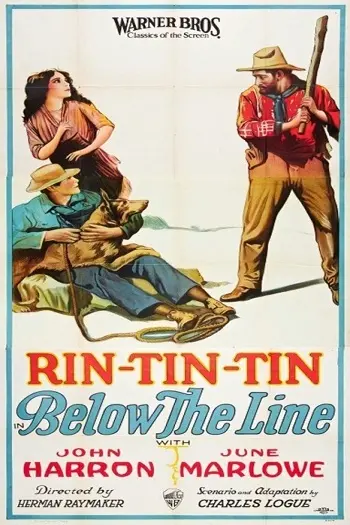
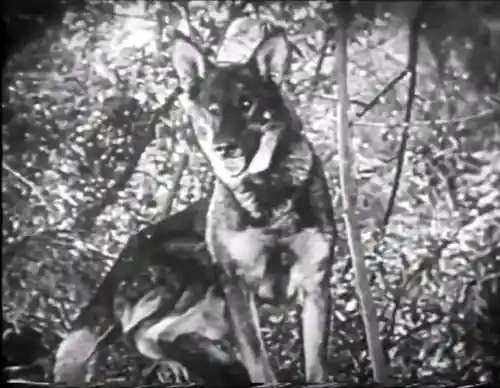
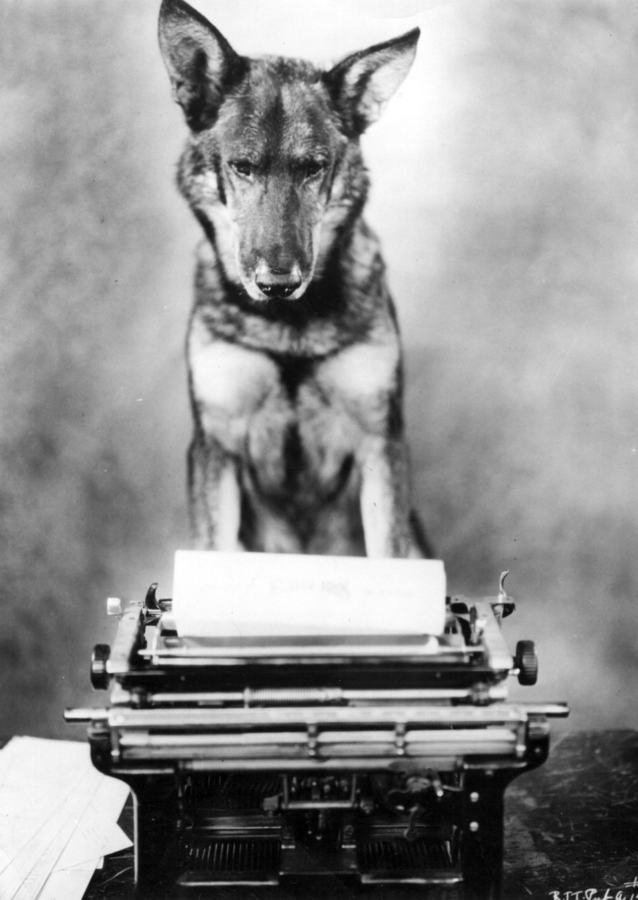
In the 1930s screen melodrama *Below the Line*, Rin-Tin-Tin transcends his canine identity to become a spectral force of justice, navigating a labyrinth of betrayal, murder, and redemption. The film opens with the heroic dog tumbling from a baggage car into a river—a visceral baptism that transforms his snarling defiance into unwavering loyalty. As the narrative unfolds, Rin-Tin-Tin’s journey from victim to avenger mirrors the moral chaos of a small town gripped by a murder mystery. His human companions, Donald Cass and a beleaguered heroine, serve as reluctant vessels for his agency, their struggles secondary to his relentless pursuit of the villain Jamber Niles. The film’s aesthetic leans heavily into theatricality: torrential rains flood the screen, forests become stages for frantic chases, and intertitles punctuate the drama with a near-saccharine urgency. Rin-Tin-Tin’s climactic takedown of the murderer—an act of primal force—caps a story that prioritizes spectacle over subtlety, leaving viewers to grapple with its operatic excesses.
Synopsis
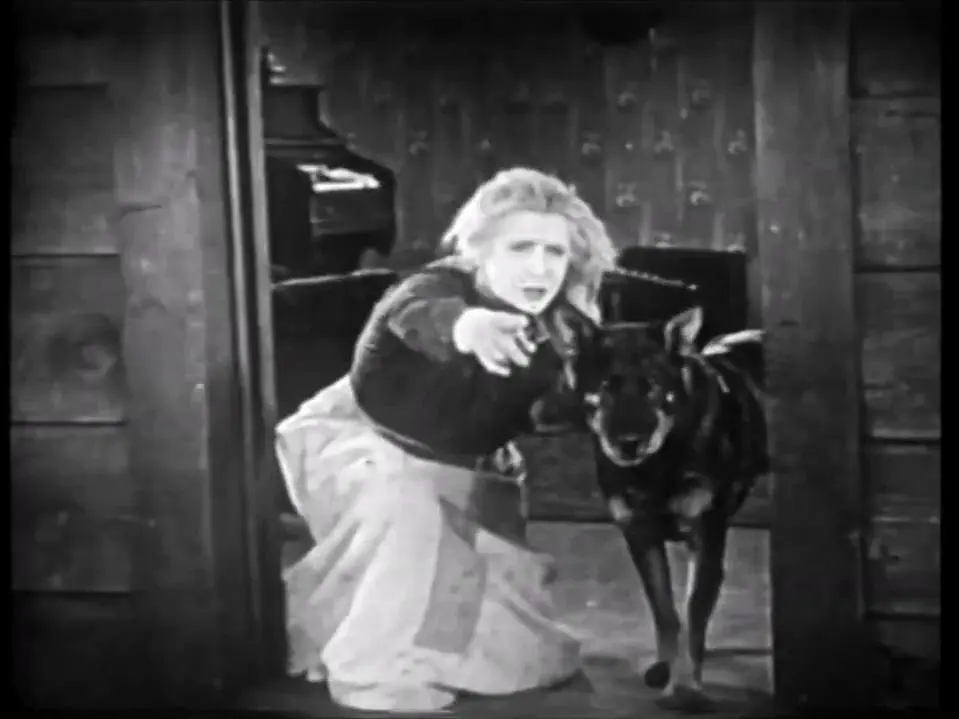
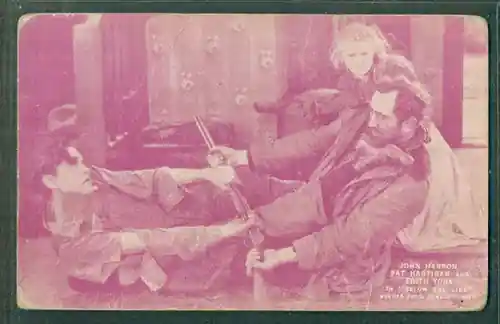
The suggestion that a dog leads a dull life does not apply to that of Rin-Tin-Tin in the screen melodrama, "Below the Line," which is on view this week at Warner's. Rin-Tin-Tin has an eventful career from the time he was owned by the villain to the days when young Donald Cass befriended the animal. Actually Rin-Tin-Tin is the energetic hero of this story, being always busily engaged in either saving himself from a dangerous predicament or rescuing his young master and the heroine. In one of the early scenes Rin-Tin-Tin, now well-known to motion picture enthusiasts, is seen in a crate in the baggage car of a train. He does not take the actions of the baggagemaster in a kindly fashion, so that brute causes the dog to be tumbled out of the car, down an incline to a river. The animal is rescued from this dilemma, and from being a snarling animal he changes to a loyal, affectionate creature. As the story goes on a woman is murdered by Jamber Niles and the Sheriff endeavors to find the criminal through a piece of cloth and a button found in the dead girl's hand. Subsequently we have Donald being attacked by the bloodhounds and Rin-Tin-Tin at first holding them at bay and finally chasing them all away with their tails between their legs. Rin-Tin-Tin does nothing by halves, for he tracks the murderer himself and kills him. There are several good scenes in this picture, but it is on the whole an overdose of melodrama. There is the ceaseless deluge of rain, the poor heroine and the trouble-encumbered hero plunging through the woods, and titles that make one turn one's head away from the screen. One of the praiseworthy portions of this subject is where Rin-Tin-Tin climbs a tree, which is bent and old. He makes two or three attempts and finally pulls himself up to the straggling branches. Dog or no dog, this picture is one of those which to see once, is enough-aye, too much. Aside from Rin-Tin-Tin's performance there is nothing noteworthy about the acting of the principals.
Review Excerpt
"In an era where Hollywood often treated dogs as mere props, *Below the Line* elevates Rin-Tin-Tin to mythic proportions. This 1930s melodrama, directed with a flair for the theatrical, turns a German Shepherd into a near-sentient force of righteousness, navigating a narrative that veers from slapstick to noir with alarming frequency. The film’s opening sequence—a dramatic plunge from a train car into icy waters—establishes its tone: operatic, overwrought, and utterly committed to its own grandeu..."