
DbcultAccessing Vault...
Director's Spotlight
Senior Film Conservator
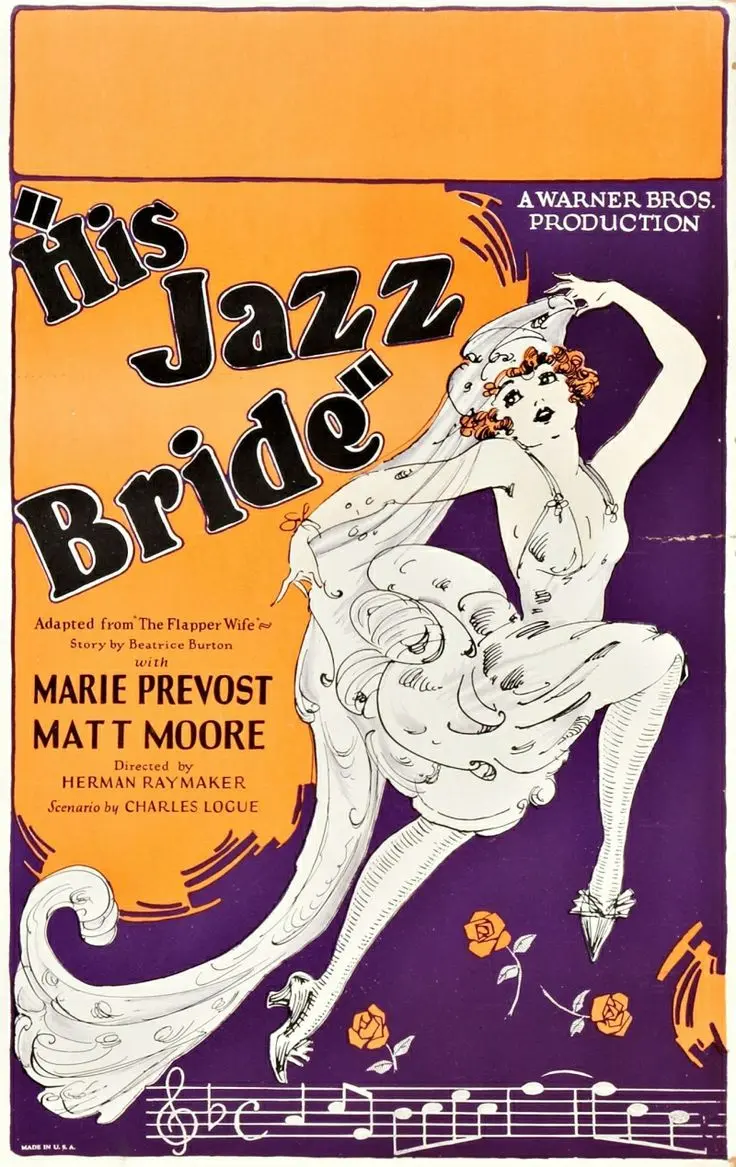
Director's Spotlight: United States
A Deep Dive into the 1926 Vision of Herman C. Raymaker
Witnessing the stylistic transformation of Drama through His Jazz Bride reveals the provocative questions that Herman C. Raymaker poses to the United States audience. Exploring the nuances of the human condition with Drama flair, it showcases the power of Drama as a tool for social commentary.
In His Jazz Bride, Herman C. Raymaker pushes the boundaries of conventional narrative. The film's unique approach to its subject matter has sparked endless debates and interpretations among cinephiles and critics alike.
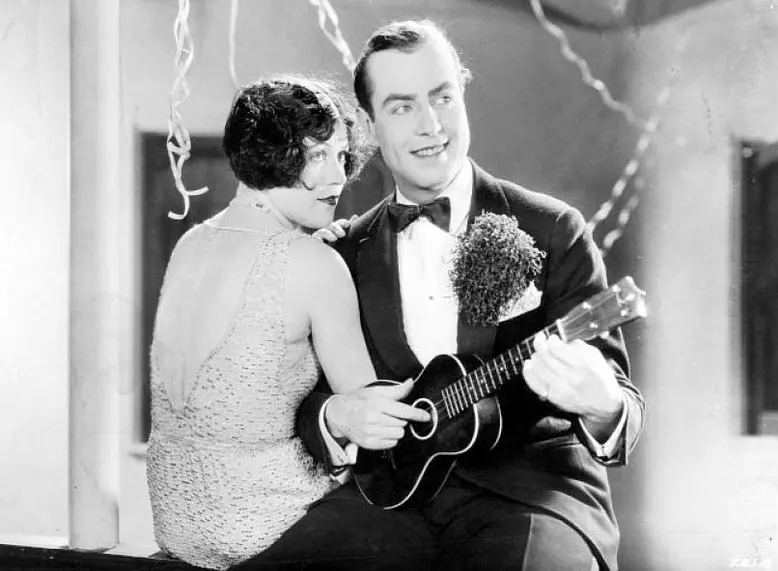
In this work, Herman C. Raymaker explores the intersection of Drama and United States cultural identity. The meticulous attention to detail suggests a deep-seated commitment to pushing the boundaries of the medium, ensuring that His Jazz Bride remains a relevant topic of study for Drama enthusiasts.
| Cinematography | High-Contrast |
| Soundtrack | Experimental |
| Editing | Invisible |
| Art Direction | Kitsch |
Visualizing the convergence of Herman C. Raymaker's style and the core Drama narrative.
Young lawyer Dick Gregory is hard-pressed to pay his wife Gloria's bills, and equally hard-pressed to keep up with the frantic pace of her life. Edward Martindel, an attorney who represents a corporation against which Dick is litigating, attempts to bribe Dick with a substantial sum of money; Dick refuses, and Gloria develops a complaint against him on this account. After a particularly bitter argument, Gloria leaves Dick and joins some friends for a moonlight cruise. The Gregorys' friend Alec Seymour tells Dick that the boat on which Gloria is sailing has not met safety standards, and Dick goes after her, saving her life when the boat sinks. Gloria repents of her wild and wicked ways, and she and Dick settle into calm domesticity.
Decades after its release, His Jazz Bride remains a vital piece of the cinematic puzzle. Its influence can be seen in countless modern works, solidifying Herman C. Raymaker's status as a master of the craft in United States and beyond.