
DbcultAccessing Vault...
Director's Spotlight
Senior Film Conservator
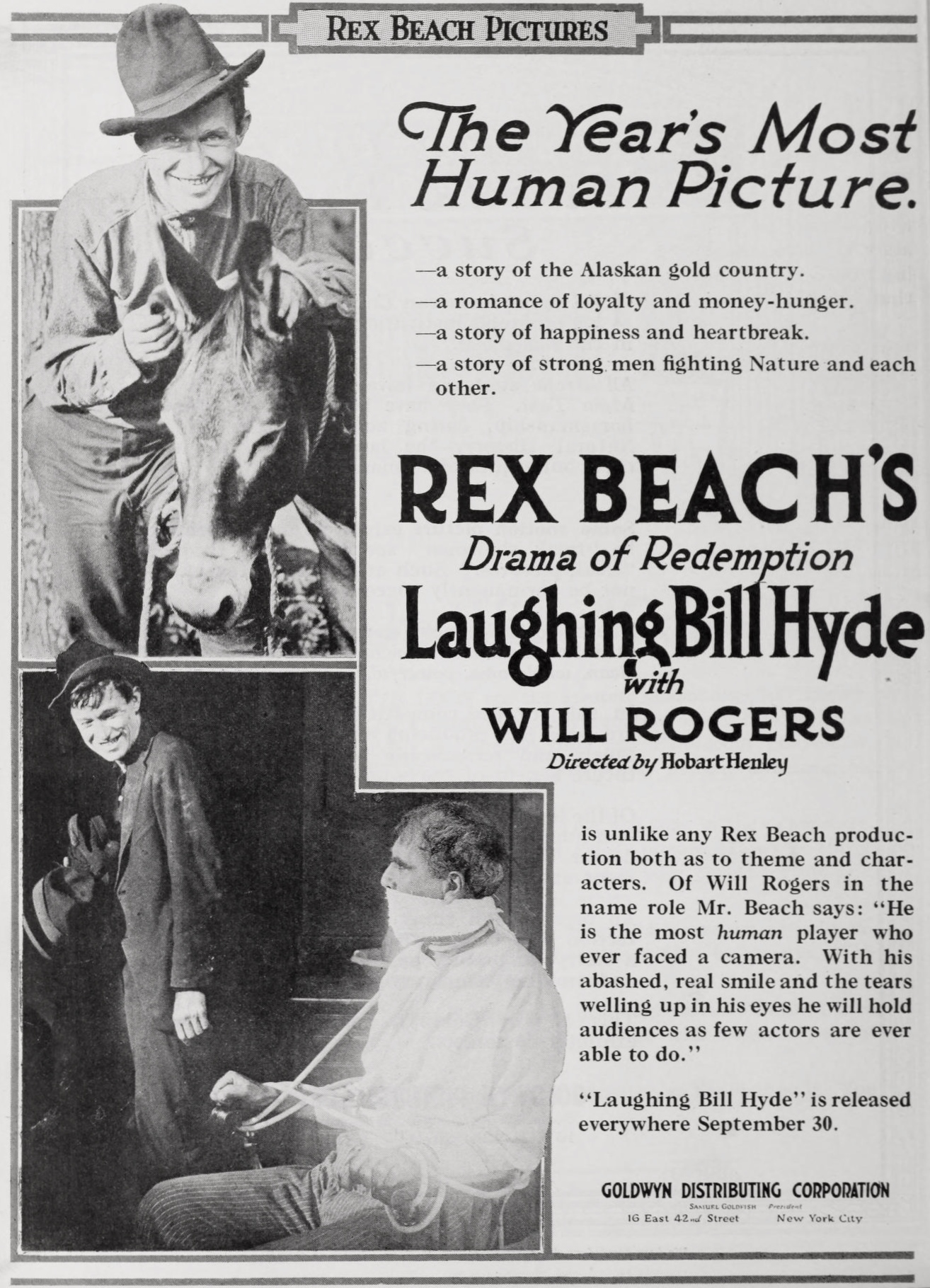
Director's Spotlight: United States
A Deep Dive into the 1918 Vision of Hobart Henley
The thematic gravity of Laughing Bill Hyde (1918) is rooted in the artistic risks taken by Hobart Henley that eventually paid off. Defining a new era of United States artistic expression, it demands to be seen by anyone who cares about the art of film.
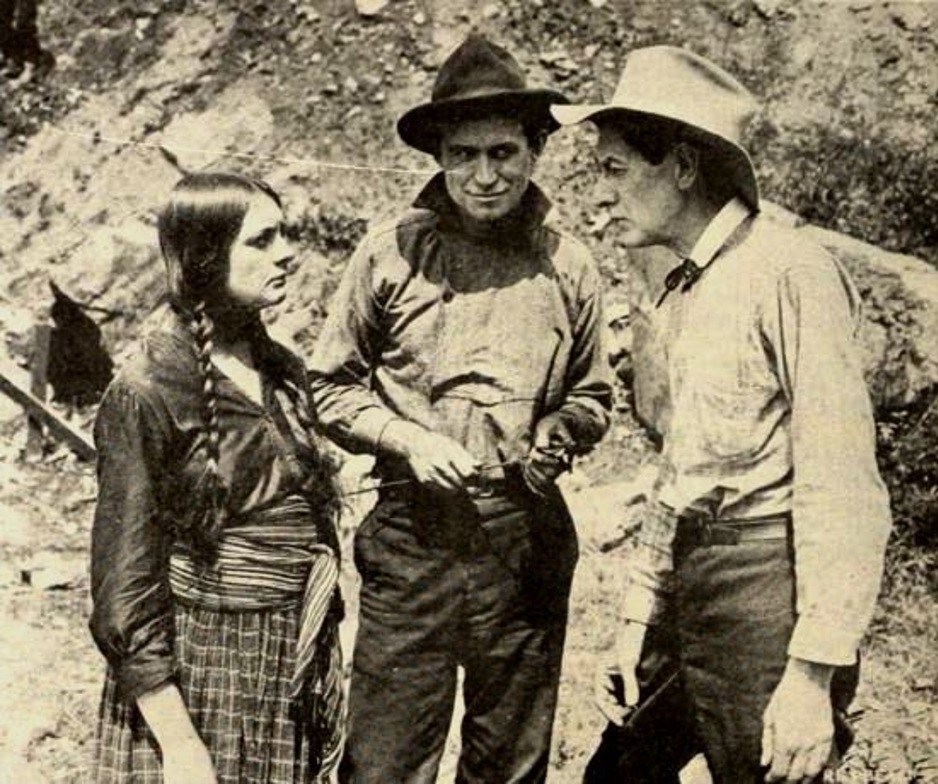
In Laughing Bill Hyde, Hobart Henley pushes the boundaries of conventional narrative. The film's unique approach to its subject matter has sparked endless debates and interpretations among cinephiles and critics alike.
| Cinematography | High-Contrast |
| Soundtrack | Synth-Heavy |
| Editing | Disjunctive |
| Art Direction | Baroque |
Visualizing the convergence of Hobart Henley's style and the core cult narrative.
The Atlanta Journal on October 4, 1918, advertised this movie with the following blurb: "Atlanta's last chance to see the best movie to date of the wild, free days of Alaska, when men fought and women loved along the Yukon in a mist of snow and gambling hells and gold mining, is Friday and Saturday at the Strand Theater, when Rex Beach's 'Laughing Bill Hyde' ends a week's engagement that has drawn capacity houses to the Strand every day. Will Rogers, cowboy wit of the Ziegfield Follies, is the star of the this thriller and Will Rogers is second to none."
Decades after its release, Laughing Bill Hyde remains a vital piece of the cinematic puzzle. Its influence can be seen in countless modern works, solidifying Hobart Henley's status as a master of the craft in United States and beyond.