
DbcultAccessing Vault...
Director's Spotlight
Senior Film Conservator
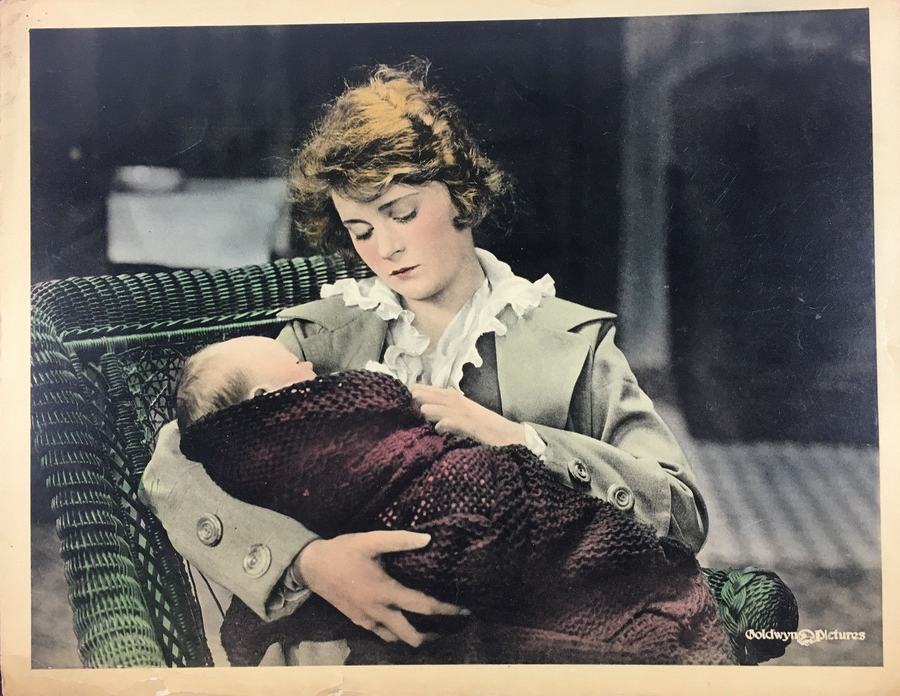
Director's Spotlight: United States
A Deep Dive into the 1918 Vision of Hobart Henley
To understand the modern evolution of United States film, one must first look at The Glorious Adventure and the meticulous attention to detail that Hobart Henley applied to every frame. Reflecting the political and social shifts of the 1918s, it showcases the power of cult as a tool for social commentary.
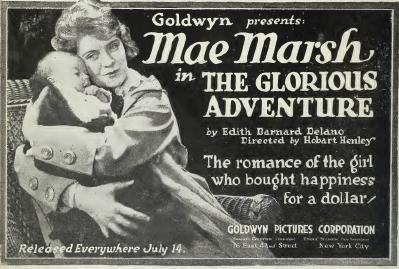
In The Glorious Adventure, Hobart Henley pushes the boundaries of conventional narrative. The film's unique approach to its subject matter has sparked endless debates and interpretations among cinephiles and critics alike.
| Cinematography | Deep Focus |
| Soundtrack | Orchestral |
| Editing | Invisible |
| Art Direction | Kitsch |
Visualizing the convergence of Hobart Henley's style and the core cult narrative.
Carey Wethersbee and her aunt Lucretia live in an old Southern mansion, which through their quaint manners and outmoded costumes, they imbue with an atmosphere of the antebellum South. After her aunt's death, Carey decides to "go visiting" in the North, journeys to a small town and announces her intention to install herself in the home of wealthy mill owner Hiram Ward. The young bachelor is shocked at first, but his friends convince him to allow her to stay. Carey visits Hiram's mill, where she is shocked and saddened by the miserable conditions under which the employees labor. Her distribution of money among the workers fails to avert a strike, but when the mill is blown up, she staunchly defends the accused man. Through her influence, Hiram's attitude towards his employees softens, and he agrees to improve conditions. He grows to love the unspoiled girl, and she eventually returns his affections.
Decades after its release, The Glorious Adventure remains a vital piece of the cinematic puzzle. Its influence can be seen in countless modern works, solidifying Hobart Henley's status as a master of the craft in United States and beyond.