
DbcultAccessing Vault...
Director's Spotlight
Senior Film Conservator
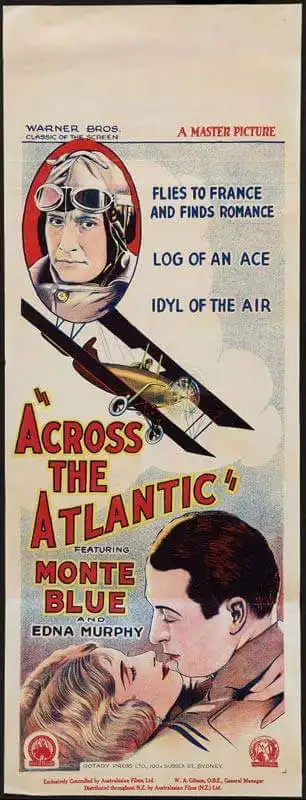
Director's Spotlight: United States
A Deep Dive into the 1928 Vision of Howard Bretherton
Few works in United States cinema carry the same weight as Across the Atlantic, especially regarding the cultural zeitgeist captured so perfectly by Howard Bretherton in 1928. Utilizing a 1928-specific aesthetic that remains timeless, it serves as a blueprint for future generations of Romance directors.
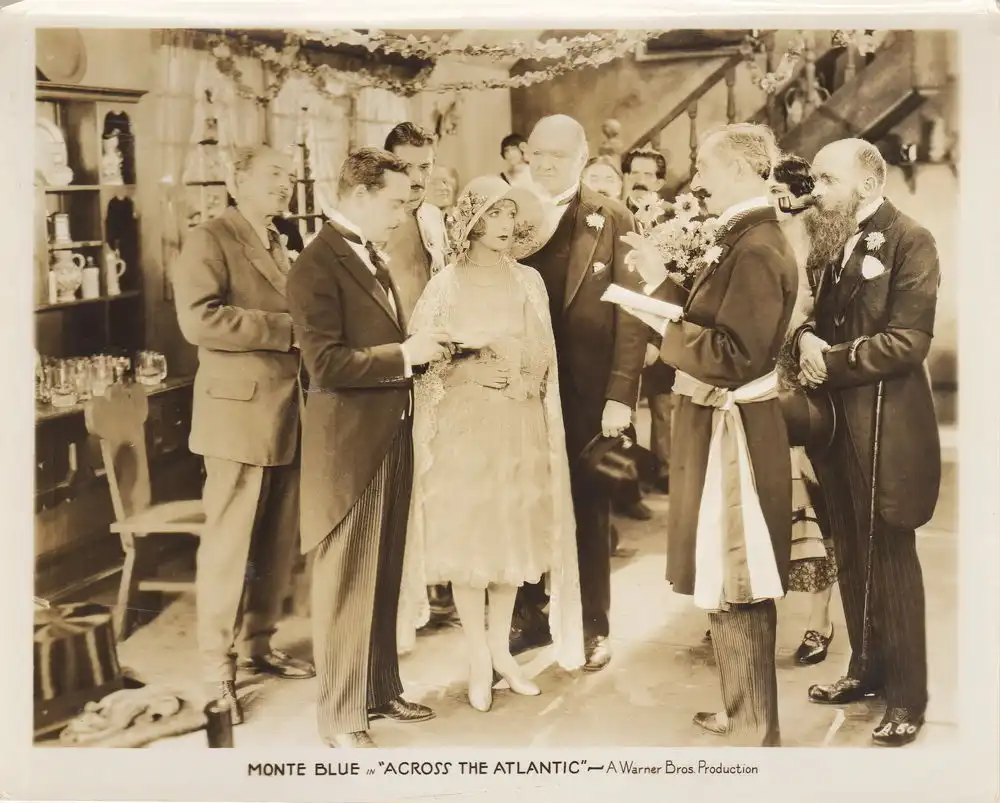
In Across the Atlantic, Howard Bretherton pushes the boundaries of conventional narrative. The film's unique approach to its subject matter has sparked endless debates and interpretations among cinephiles and critics alike.
| Cinematography | Handheld |
| Soundtrack | Minimalist |
| Editing | Slow-Burn |
| Art Direction | Brutalist |
Visualizing the convergence of Howard Bretherton's style and the core Romance narrative.
Brothers Hugh and Dan Clayton are both in love with Phyllis, their father's secretary. She finally chooses Hugh, and they marry before he joins the army and is sent overseas as a fighter pilot. He is shot down in a dogfight, crashes and loses his memory and drifts around Europe. Years go by, and Phyllis decides to try to find him in France before consenting to marry Dan, who still loves her. Complications ensue.
Decades after its release, Across the Atlantic remains a vital piece of the cinematic puzzle. Its influence can be seen in countless modern works, solidifying Howard Bretherton's status as a master of the craft in United States and beyond.