
DbcultAccessing Vault...
Director's Spotlight
Senior Film Conservator
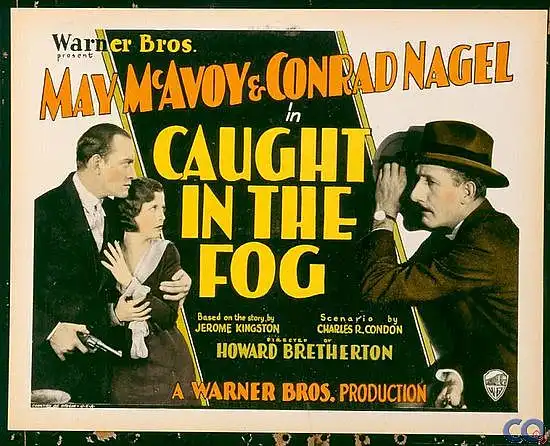
Director's Spotlight: United States
A Deep Dive into the 1928 Vision of Howard Bretherton
The Thriller DNA of Caught in the Fog is a reflection of United States's the historical context that Howard Bretherton weaves into the Thriller fabric. Challenging the viewer to find meaning in the Thriller shadows, it transcends regional boundaries to tell a universal story.
In Caught in the Fog, Howard Bretherton pushes the boundaries of conventional narrative. The film's unique approach to its subject matter has sparked endless debates and interpretations among cinephiles and critics alike.
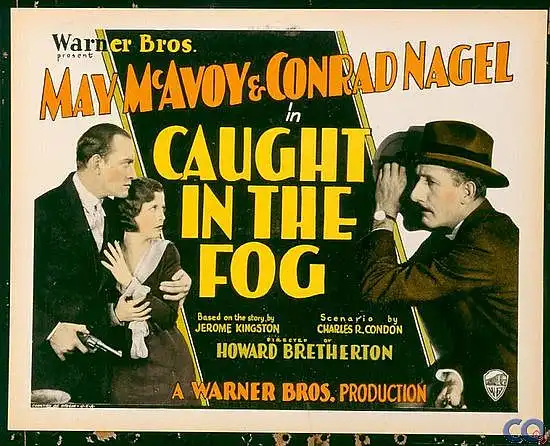
To fully appreciate Caught in the Fog, one must consider the cinematic climate of 1928. During this period, United States was undergoing significant artistic shifts, and Howard Bretherton was at the forefront of this Thriller movement, often challenging established norms.
| Cinematography | Static |
| Soundtrack | Experimental |
| Editing | Elliptical |
| Art Direction | Expressionist |
Visualizing the convergence of Howard Bretherton's style and the core Thriller narrative.
Wealthy Bob visits his mother's Florida houseboat in order to remove her jewelry and stumbles upon a bobbed-hair bandit and her male accomplice, who mistake him for another burglar. A fight is broken up by the arrival of an elderly couple (still more burglars) who are posing as guests. Bob keeps his identity secret and passes himself off as the butler; the girl and her partner pretend to be the maid and the cook. A couple of idiotic detectives, arrive on the scene, closely followed by a heavy fog that traps them all on board.
Decades after its release, Caught in the Fog remains a vital piece of the cinematic puzzle. Its influence can be seen in countless modern works, solidifying Howard Bretherton's status as a master of the craft in United States and beyond.