
DbcultAccessing Vault...
Director's Spotlight
Senior Film Conservator
Director's Spotlight: United States
A Deep Dive into the 1929 Vision of Howard Bretherton
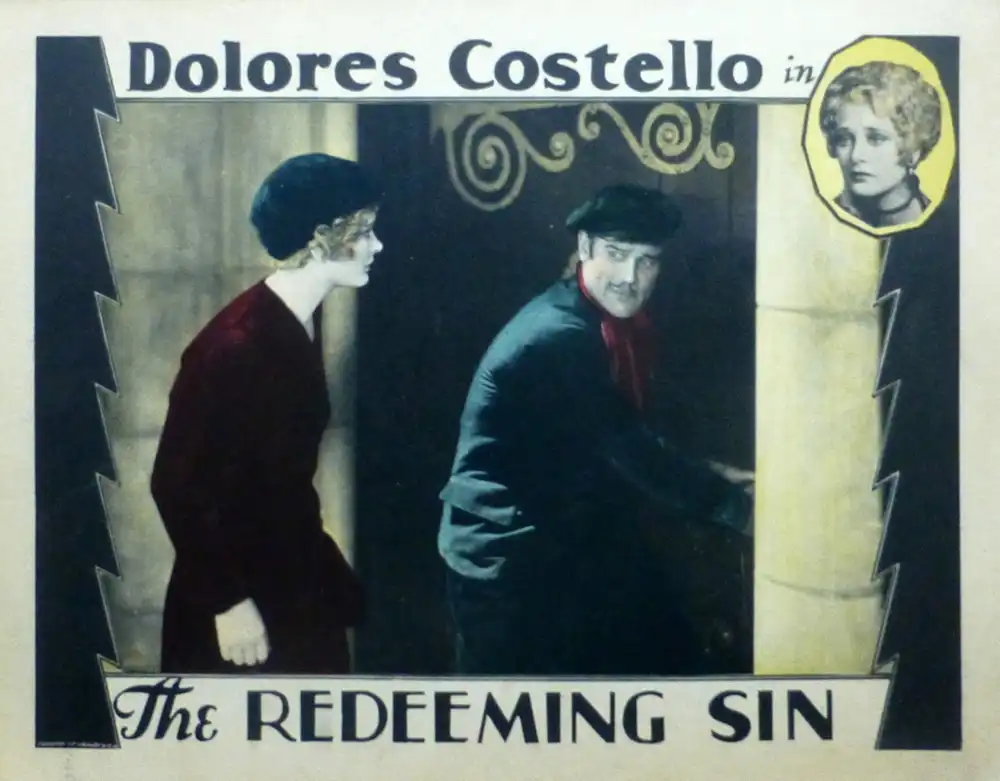
The 1929 release of The Redeeming Sin marked a significant moment for the enduring legacy of Howard Bretherton's artistic contribution to the genre. By challenging the status quo of 1929 cinema, it has cemented its place in the global cult cinema archive.
In The Redeeming Sin, Howard Bretherton pushes the boundaries of conventional narrative. The film's unique approach to its subject matter has sparked endless debates and interpretations among cinephiles and critics alike.
| Cinematography | Handheld |
| Soundtrack | Orchestral |
| Editing | Slow-Burn |
| Art Direction | Brutalist |
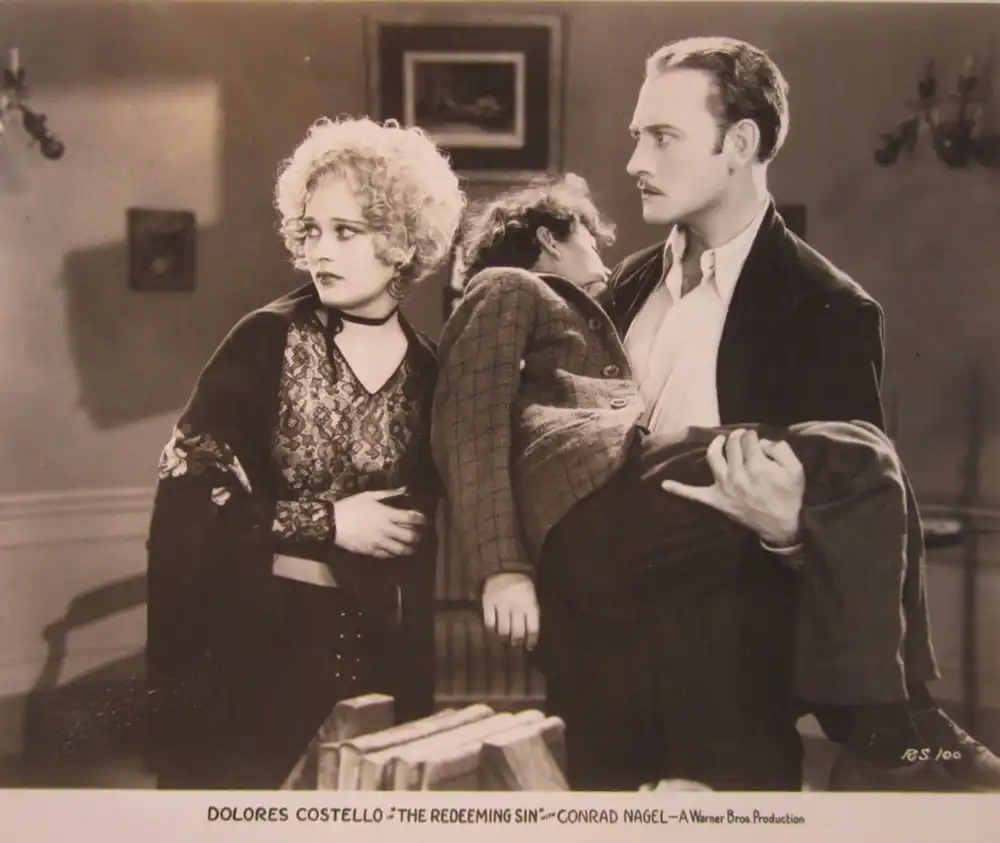
Visualizing the convergence of Howard Bretherton's style and the core Romance narrative.
At the Café du Chat Noir, Joan Billaire, a dancer, attacks Mitzi for schooling her brother, Petit, in picking pockets and is saved from a knifing by Lupine, a thief. Later, Lupine enlists Petit's aid in a robbery, and the boy is accidentally wounded by him. Joan calls on Dr. Raoul de Boise, who informs the police; and when the boy dies, she is prevented from shooting Raoul by the intervention of Father Colomb. As Joan becomes romantically involved with the doctor, the jealous Lupine wounds Raoul. Joan confesses her part in robbing the church but is forced to marry Lupine as the price. Learning Raoul is alive, Lupine in a jealous rage confesses to killing Petit and is himself killed by the gendarmes.
Decades after its release, The Redeeming Sin remains a vital piece of the cinematic puzzle. Its influence can be seen in countless modern works, solidifying Howard Bretherton's status as a master of the craft in United States and beyond.