
DbcultAccessing Vault...
Director's Spotlight
Senior Film Conservator
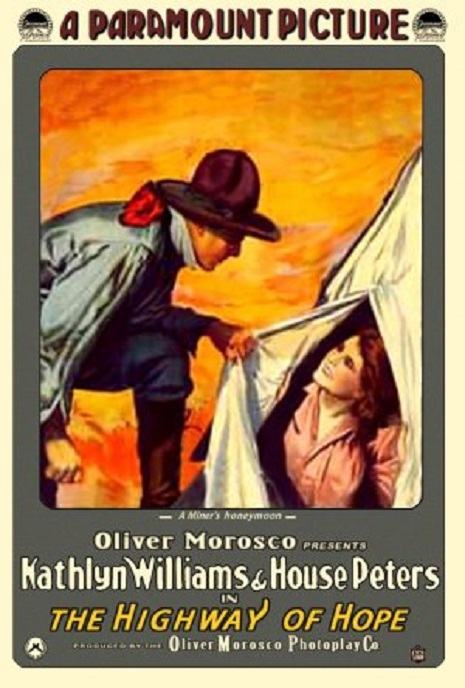
Director's Spotlight: United States
A Deep Dive into the 1917 Vision of Howard Estabrook
The evocative power of The Highway of Hope stems from the unique collaboration between the subversive storytelling techniques employed by Howard Estabrook in 1917. Synthesizing the best elements of United States and international cinema, it reminds us of the fragility and beauty of the 1917s.
In The Highway of Hope, Howard Estabrook pushes the boundaries of conventional narrative. The film's unique approach to its subject matter has sparked endless debates and interpretations among cinephiles and critics alike.
To fully appreciate The Highway of Hope, one must consider the cinematic climate of 1917. During this period, United States was undergoing significant artistic shifts, and Howard Estabrook was at the forefront of this cult movement, often challenging established norms.
| Cinematography | Static |
| Soundtrack | Orchestral |
| Editing | Slow-Burn |
| Art Direction | Brutalist |
Visualizing the convergence of Howard Estabrook's style and the core cult narrative.
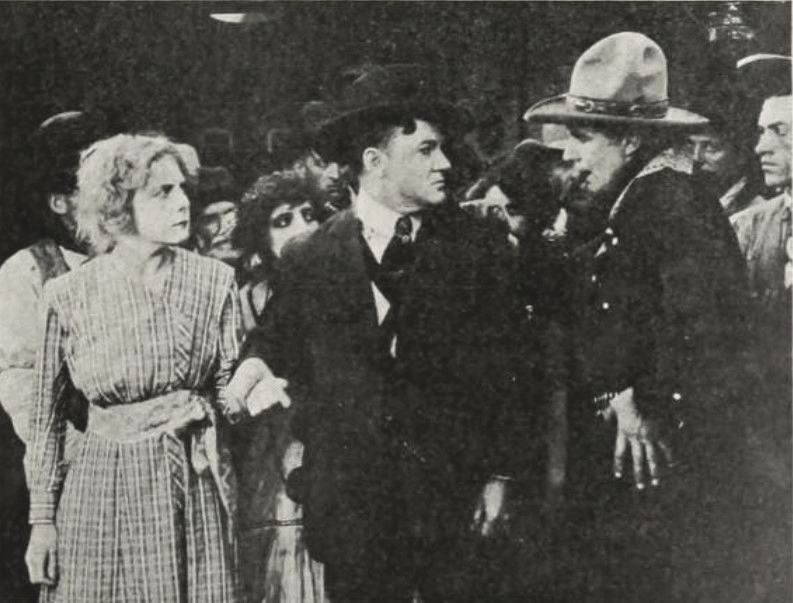
Cast out by his father because of his wild shenanigans, Steve King travels west, where he drowns his sorrows in drink. One night while drunk, he marries Lonely Lou, a servant who works in the saloon. Awakening to find his life seemingly destroyed, Steve takes his burro and miserable wife into the mountains to prospect for gold. When Steve discovers a strike, Lou suggests that they return to his family. Unable to face the disgrace of marrying a saloon girl, Steve decides to take poison, but Lou discovers the potion and, thinking that it was planted for her, feigns drinking it and falls dead. Believing that Lou is dead, Steve disappears to wander the country as a tramp. Meanwhile, Garst, a promoter, recognizes the value of the claim and helps Lou develop it. Five years later, Lou has become a woman of wealth and, while dining at the hotel, sees Steve working as a waiter. They are finally reunited when Steve saves Lou from Garst's advances and at last face a happy life together.
Decades after its release, The Highway of Hope remains a vital piece of the cinematic puzzle. Its influence can be seen in countless modern works, solidifying Howard Estabrook's status as a master of the craft in United States and beyond.