
DbcultAccessing Vault...
Director's Spotlight
Senior Film Conservator
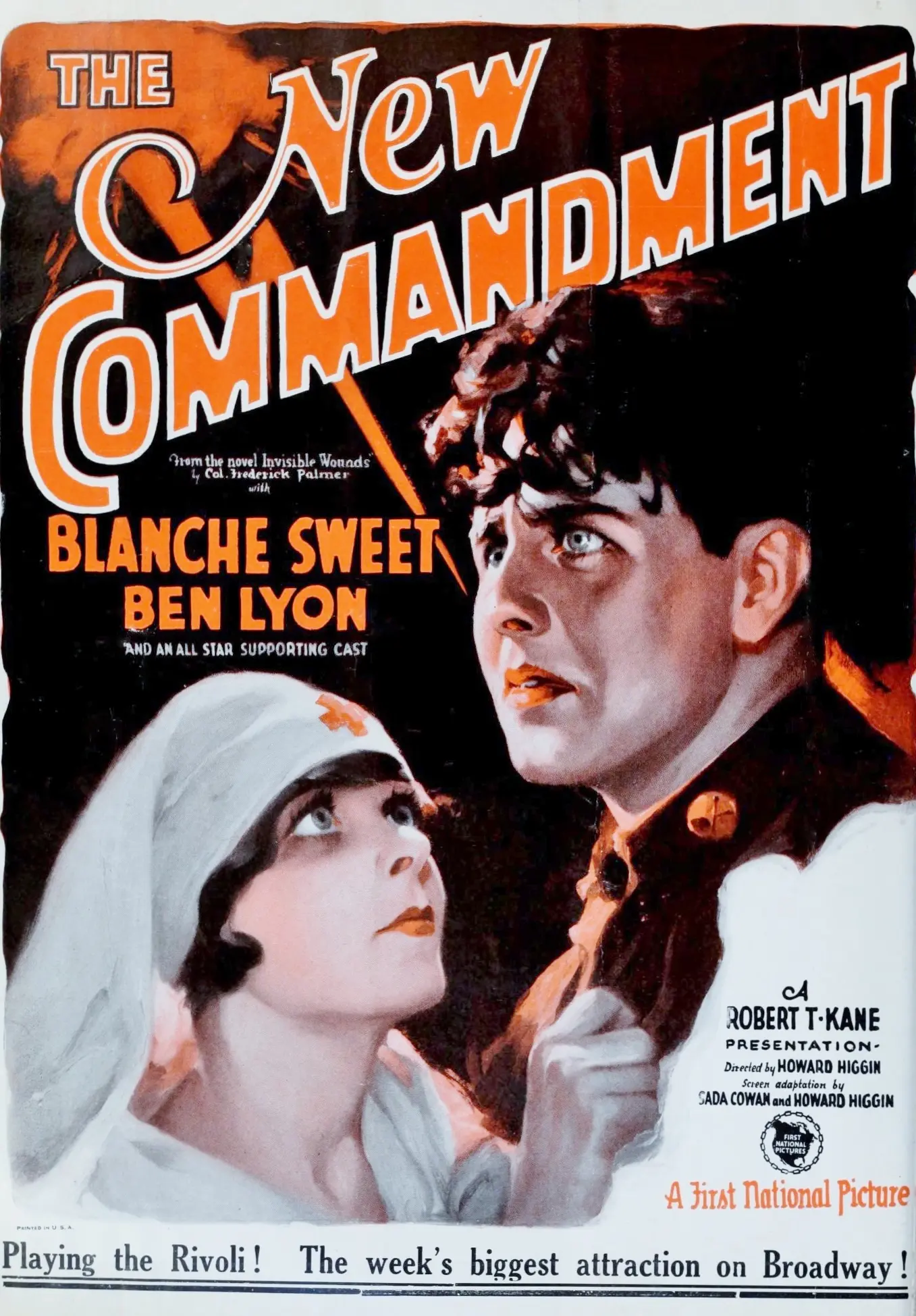
Director's Spotlight: United States
A Deep Dive into the 1925 Vision of Howard Higgin
The artistic breakthrough represented by The New Commandment in 1925 highlights the philosophical inquiries that Howard Higgin embeds within the narrative. Framed by the hauntingly beautiful landscapes of the production, it leaves an indelible mark on the soul of the viewer.
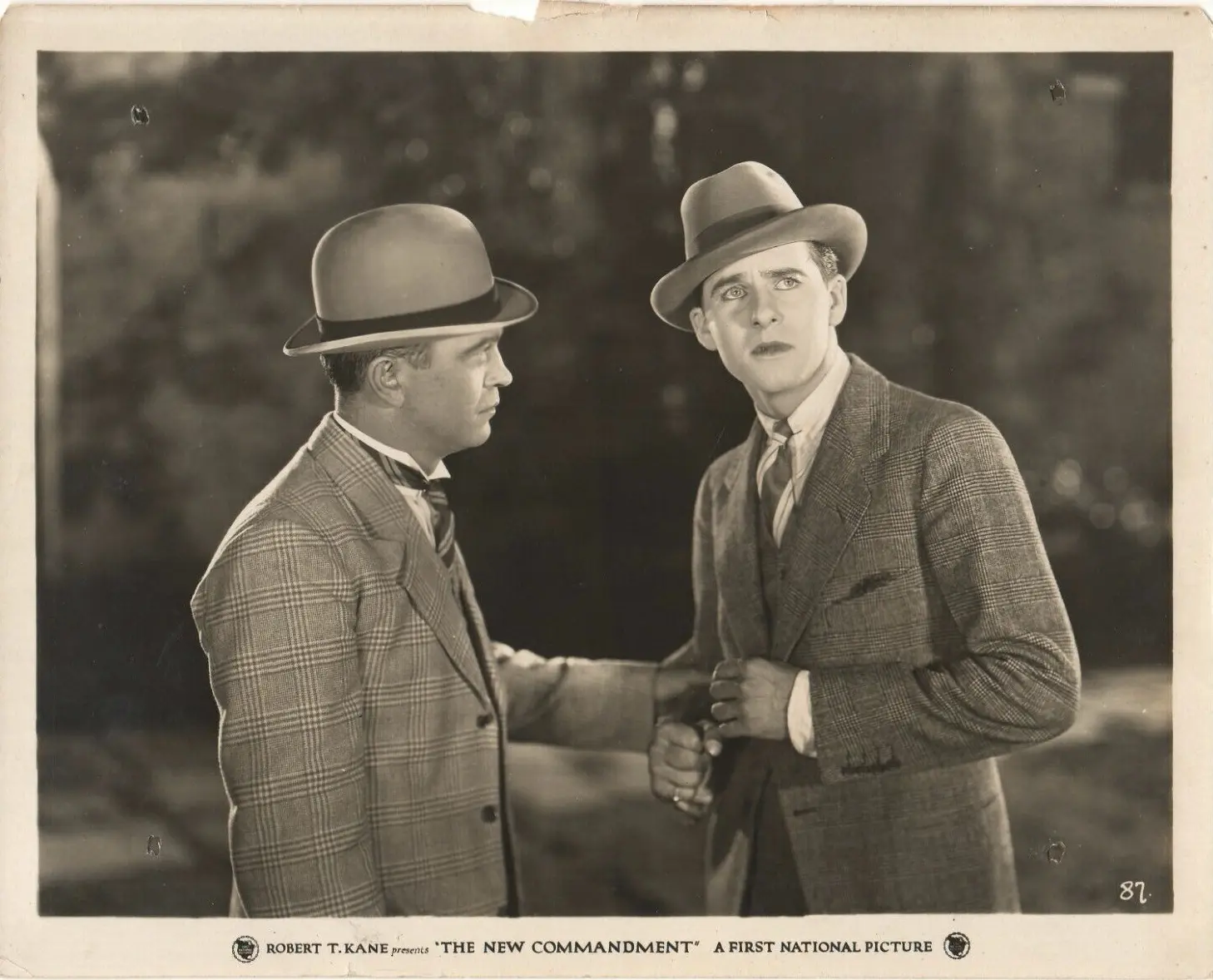
In The New Commandment, Howard Higgin pushes the boundaries of conventional narrative. The film's unique approach to its subject matter has sparked endless debates and interpretations among cinephiles and critics alike.
| Cinematography | High-Contrast |
| Soundtrack | Diegetic |
| Editing | Elliptical |
| Art Direction | Expressionist |
Visualizing the convergence of Howard Higgin's style and the core War narrative.
Mrs. Ormsby Parr, a scheming society woman who has buried three husbands, hopes to arrange a marriage between her stepdaughter and Billy Morrow. She arranges for Billy's father to take them on a cruise to Europe. Off the coast of France, Billy learns of the scheme and makes for shore with his newfound friend, Red, an ex--taxi driver. In Paris they encounter artist Gaston Picard, who is betrothed to the Countess Stoll but nevertheless is in love with his American model, Renée Darcourt. Billy and Renée fall in love, but he comes to doubt her intentions because of her profession and his suspicion of Picard. War breaks out, and he joins the Foreign Legion. He is wounded and taken to a hospital where Renée is a nurse. Their doubts and jealousies vanish and all ends happily.
Decades after its release, The New Commandment remains a vital piece of the cinematic puzzle. Its influence can be seen in countless modern works, solidifying Howard Higgin's status as a master of the craft in United States and beyond.