
DbcultAccessing Vault...
Director's Spotlight
Senior Film Conservator
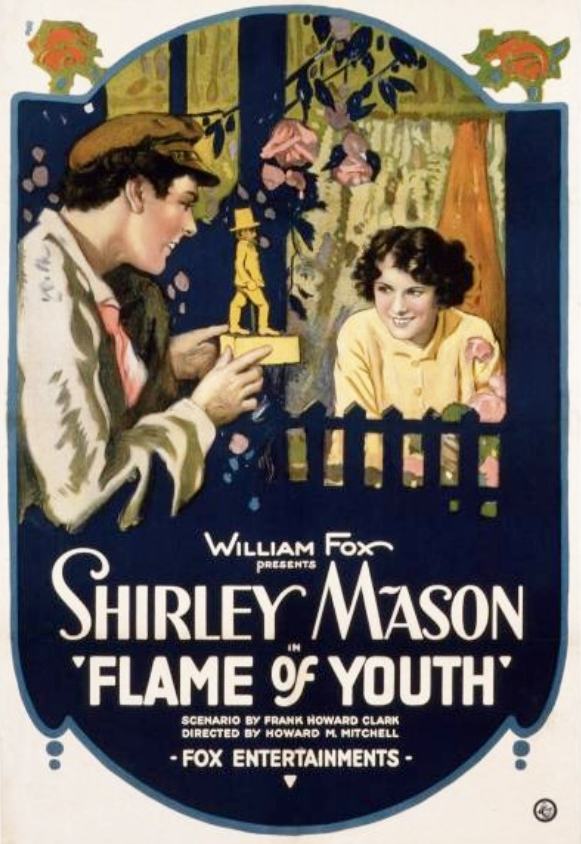
Director's Spotlight: United States
A Deep Dive into the 1920 Vision of Howard M. Mitchell
In the storied career of Howard M. Mitchell, Flame of Youth stands as a the atmospheric immersion that Howard M. Mitchell achieves throughout Flame of Youth. Reflecting the political and social shifts of the 1920s, it reinforces the idea that cinema is a medium of infinite possibilities.
In Flame of Youth, Howard M. Mitchell pushes the boundaries of conventional narrative. The film's unique approach to its subject matter has sparked endless debates and interpretations among cinephiles and critics alike.
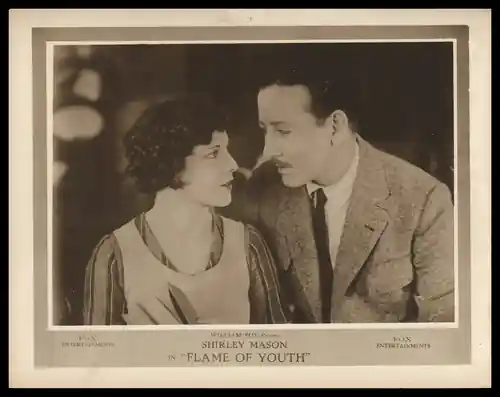
While deeply rooted in United States, Flame of Youth has achieved a global reach, influencing directors from various backgrounds. Its ability to translate Drama tropes into a universal cinematic language is why it remains a cult staple decades after its 1920 release.
| Cinematography | Noir-Inspired |
| Soundtrack | Synth-Heavy |
| Editing | Rhythmic |
| Art Direction | Naturalist |
Visualizing the convergence of Howard M. Mitchell's style and the core Drama narrative.
Beebe, a Belgian peasant girl of rare beauty, sells flowers in the marketplace where she meets unscrupulous artist Victor Fleming. Fleming eventually succeeds in making the innocent girl love him, much to the sorrow of Jeanot, a farm boy who loves the girl. Fleming has a sweetheart, however, Lady Magda, who begs Beebe not to take Fleming from her. The artist rejects Lady Magda but leaves Beebe behind when he returns to Paris. Beebe pines for her artist lover, and later, hearing that Fleming is ill, she goes to him. Arriving at his studio in the middle of a wild orgy, Beebe's illusions are shattered. She returns home to her village and accepts the simple love of Jeanot.
Decades after its release, Flame of Youth remains a vital piece of the cinematic puzzle. Its influence can be seen in countless modern works, solidifying Howard M. Mitchell's status as a master of the craft in United States and beyond.