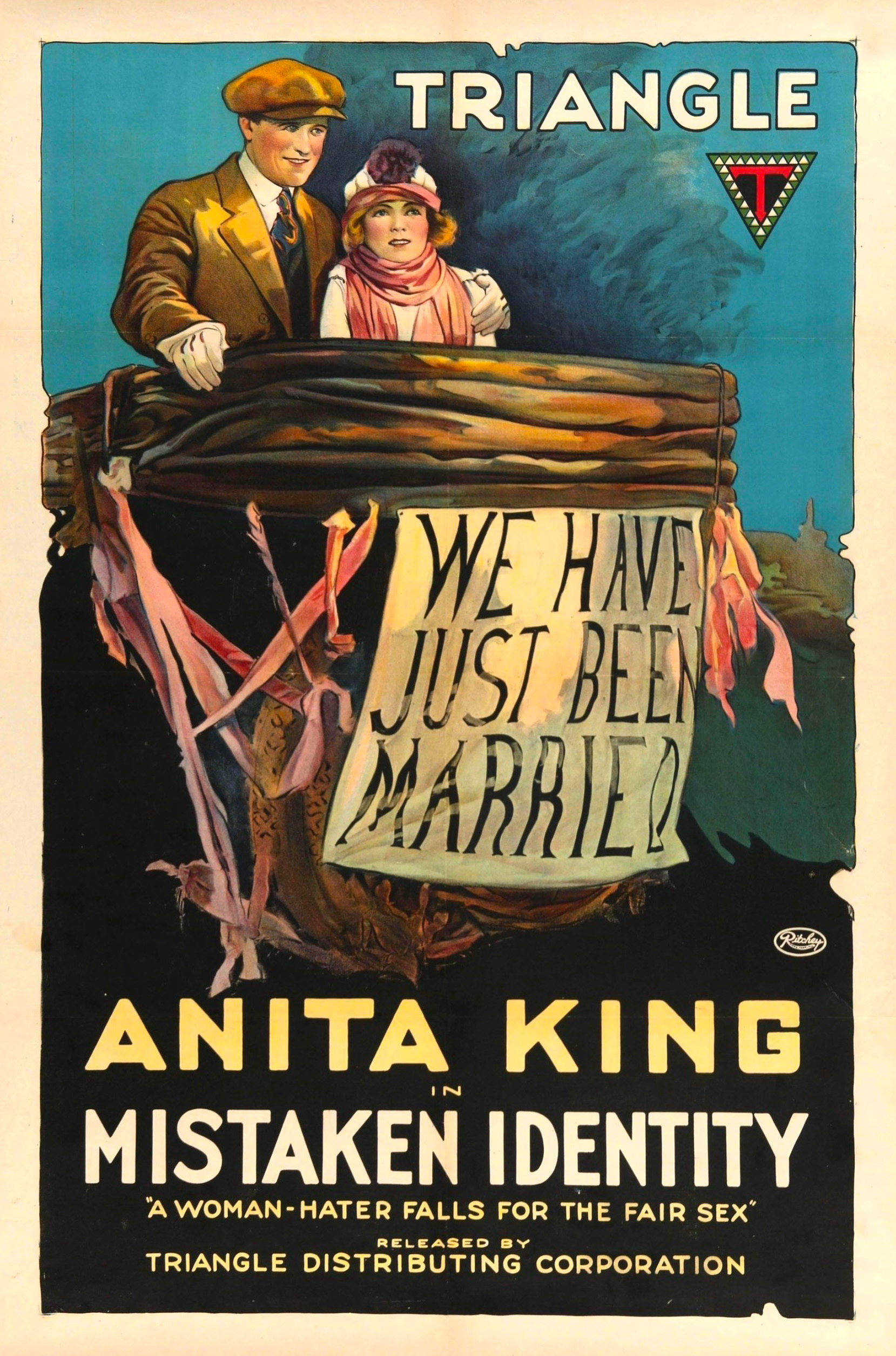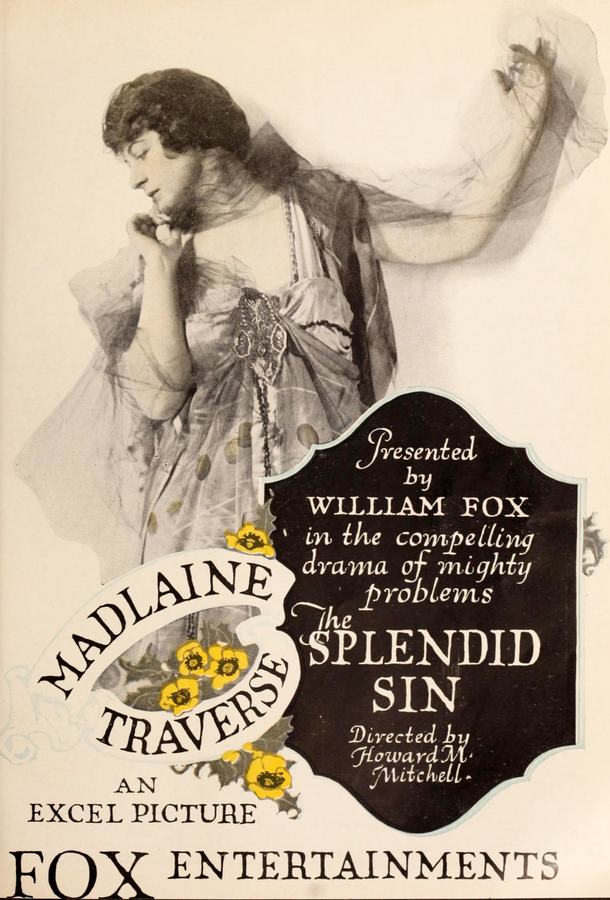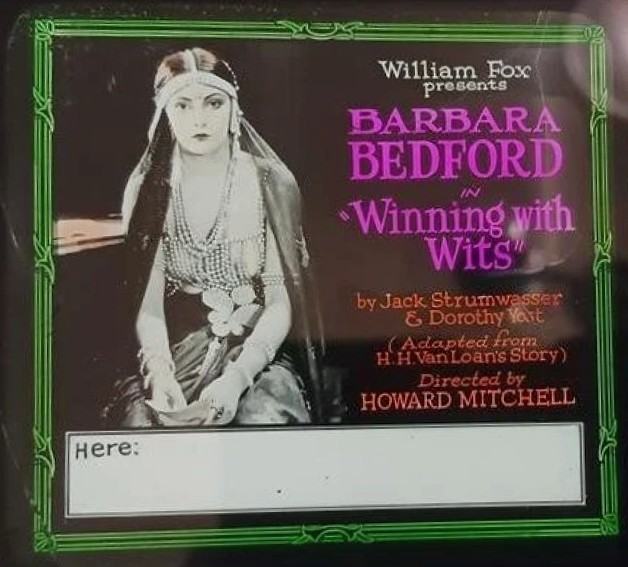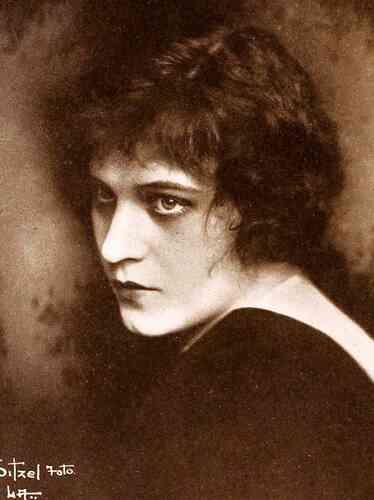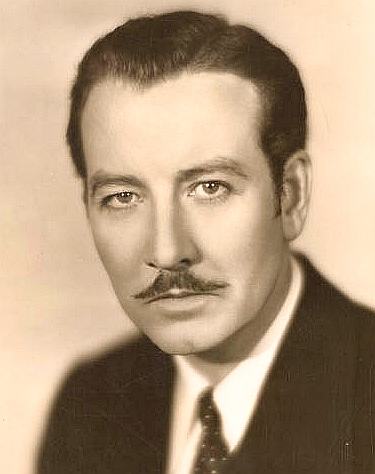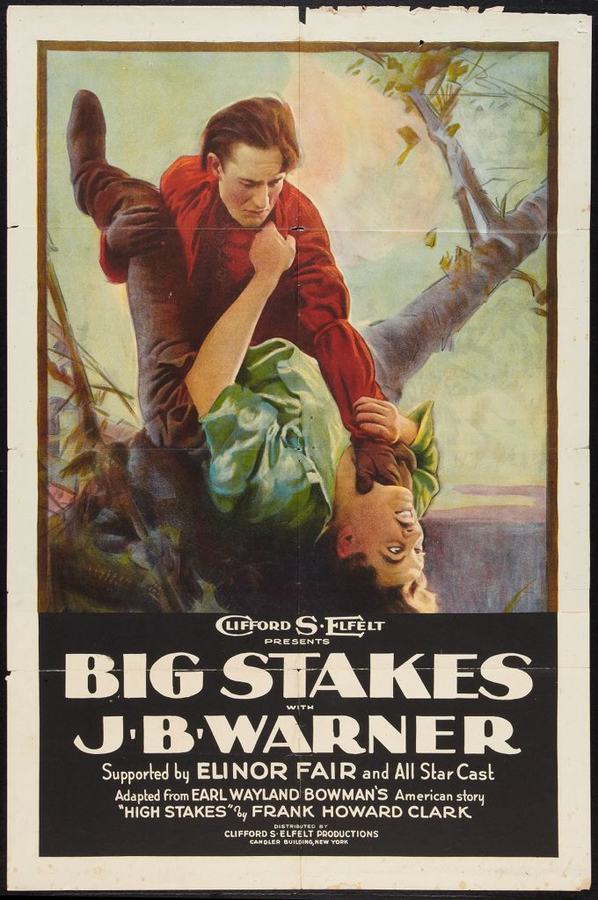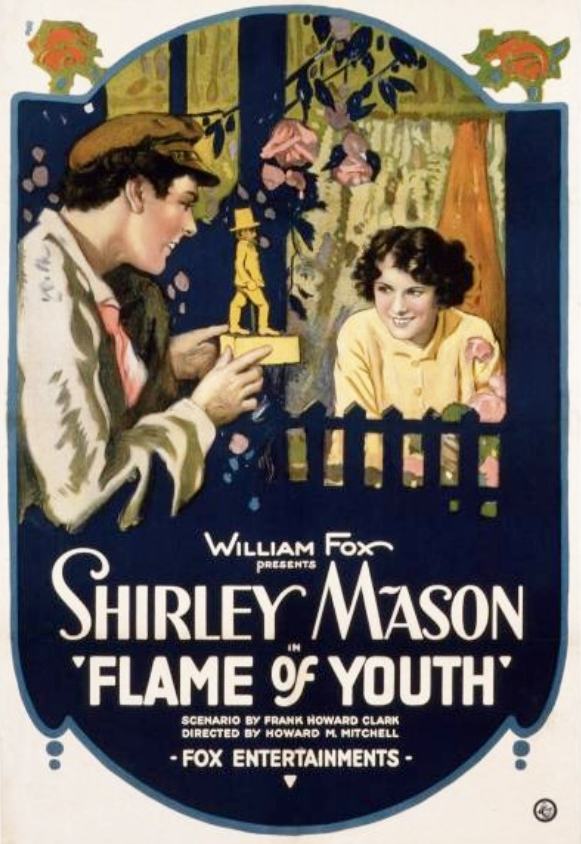
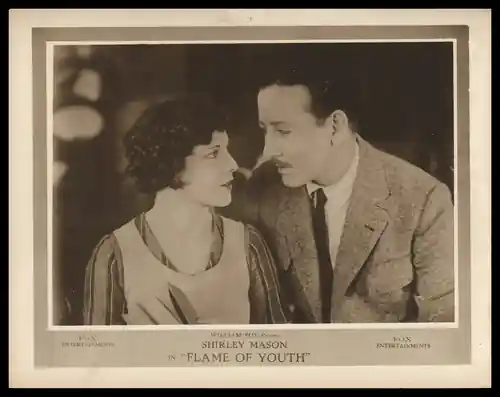
Beebe, a Belgian peasant girl of rare beauty, sells flowers in the marketplace where she meets unscrupulous artist Victor Fleming. Fleming eventually succeeds in making the innocent girl love him, much to the sorrow of Jeanot, a farm boy who loves the girl.
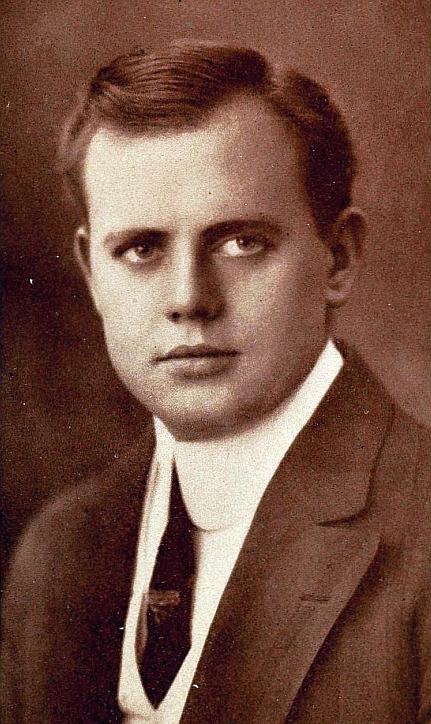
The first time we see Beebe she is haloed by a corona of marigolds, a chiaroscuro of gold against the bruise-violet dawn of a Belgian marketplace. One frame later Victor Fleming’s obsidian eyes glide over her like a varnish coat, and you sense, with the premonitory shudder of a violin screech, that this girl’s story ...
production_art
production_art
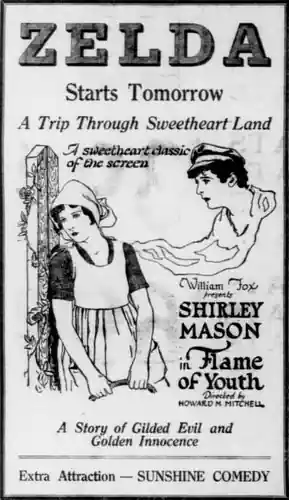
production_art
Comparing the cinematic DNA and archive impact of two defining moments in cult history.
Howard M. Mitchell
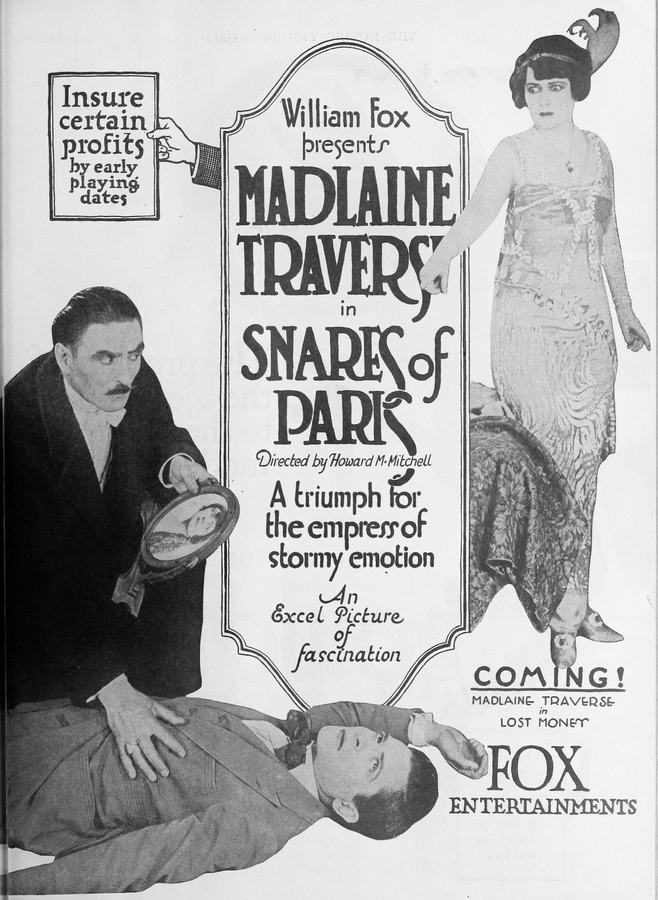
Howard M. Mitchell
Community
Log in to comment.
" The first time we see Beebe she is haloed by a corona of marigolds, a chiaroscuro of gold against the bruise-violet dawn of a Belgian marketplace. One frame later Victor Fleming’s obsidian eyes glide over her like a varnish coat, and you sense, with the premonitory shudder of a violin screech, that this girl’s story will not end in pastoral lullabies. Director Frank Howard Clark, armed with Barbara La Marr’s fever-dream script, refuses to let the narrative breathe; every iris-in feels like a ..."
Raymond McKee
Barbara La Marr, Frank Howard Clark
United States
Deep dive into the cult classic
Discover similar cinematic experiences
A Directorial Spotlight on Howard M. Mitchell