
DbcultAccessing Vault...
Director's Spotlight
Senior Film Conservator
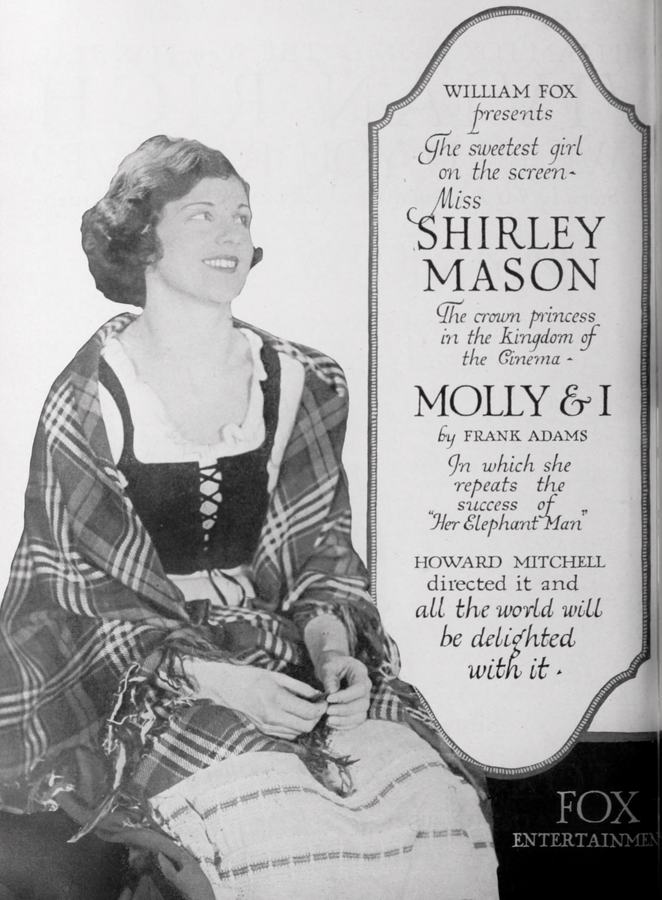
Director's Spotlight: United States
A Deep Dive into the 1920 Vision of Howard M. Mitchell
Few works in United States cinema carry the same weight as Molly and I, especially regarding the technical innovation that Howard M. Mitchell introduced to the Drama format. Subverting the expectations of the typical 1920 audience, it bridges the gap between traditional Drama and contemporary vision.
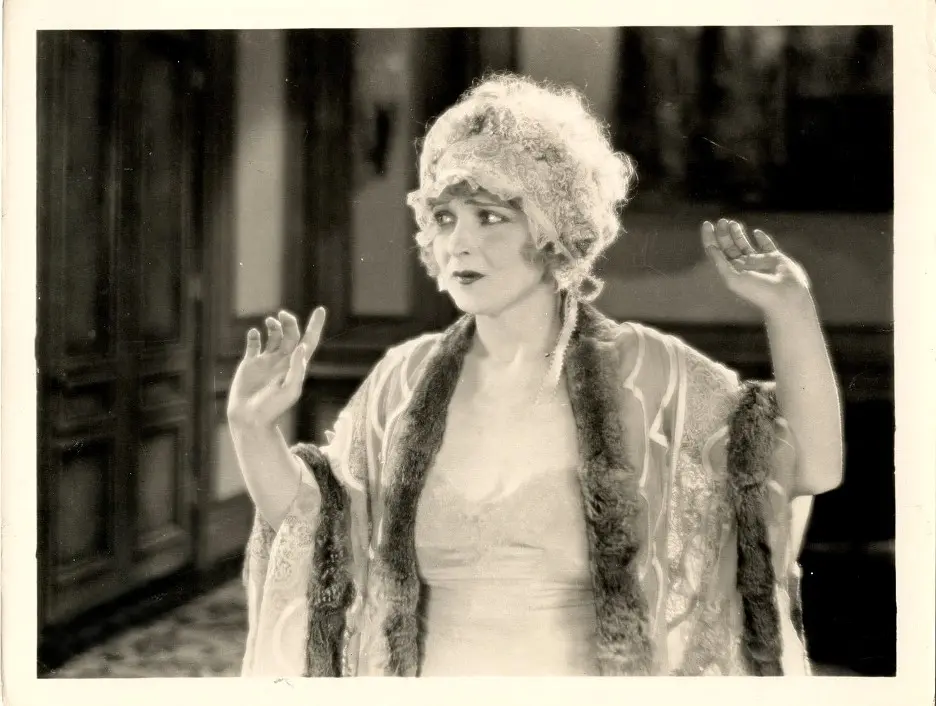
In Molly and I, Howard M. Mitchell pushes the boundaries of conventional narrative. The film's unique approach to its subject matter has sparked endless debates and interpretations among cinephiles and critics alike.
| Cinematography | Deep Focus |
| Soundtrack | Experimental |
| Editing | Elliptical |
| Art Direction | Expressionist |
Visualizing the convergence of Howard M. Mitchell's style and the core Drama narrative.
A doctor's typist Shirley Brown lives vicariously through the romance novels written by Philip Smith. When the author comes to live at her boardinghouse, her admiration is fostered by sympathy upon realizing that her idol is losing his eyesight and that it can only be saved by a specialist in Italy. Sacrificing herself to help Philip, Molly makes him believe that she is an old maid who has been waiting forty years to find a husband, and she induces him to marry her in return for $5,000, half the legacy she is to receive on her wedding day. Philip consents, travels to Italy and regains his sight after which he becomes interested in Marion Sutherland. Upon returning, he neglects Shirley, who decides to kindle her husband's interest by disguising herself as an Alsatian maid in his employ. After several adventures, Philip realizes that he is in love with his maid, who then reveals herself to be his wife.
Decades after its release, Molly and I remains a vital piece of the cinematic puzzle. Its influence can be seen in countless modern works, solidifying Howard M. Mitchell's status as a master of the craft in United States and beyond.