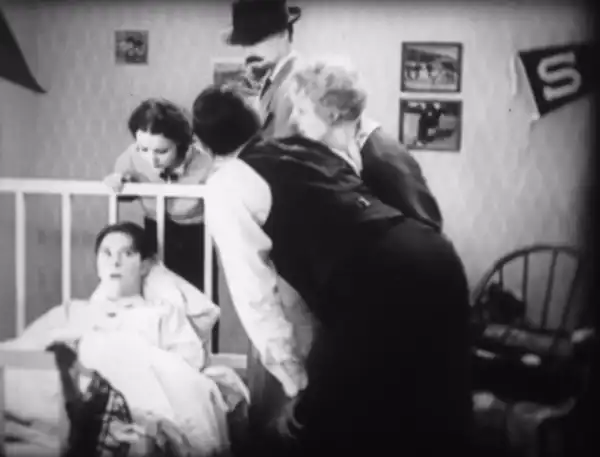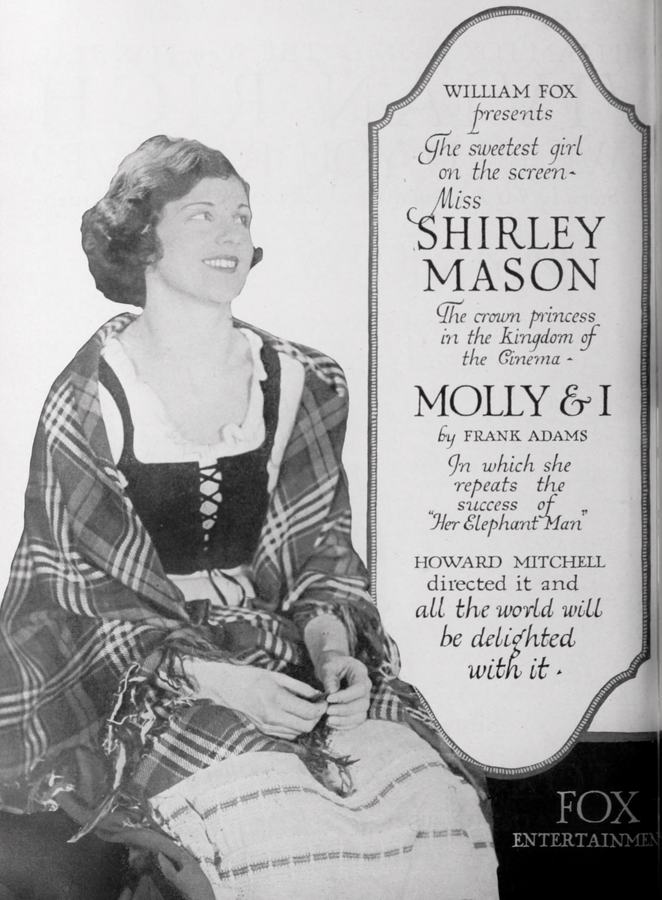
A doctor's typist Shirley Brown lives vicariously through the romance novels written by Philip Smith. When the author comes to live at her boardinghouse, her admiration is fostered by sympathy upon realizing that her idol is losing his eyesight and that it can only be saved by a specialist in Italy.
A nickelodeon piano crashes into the first reel and already Molly and I has pawned its heart to contradiction: it is both a winsome fairy-tale of self-immolation and a scalding indictment of transactional intimacy, wrapped in the tissue paper of 1923 censorship. Director John Francis Dillon shoots the boardinghouse l...
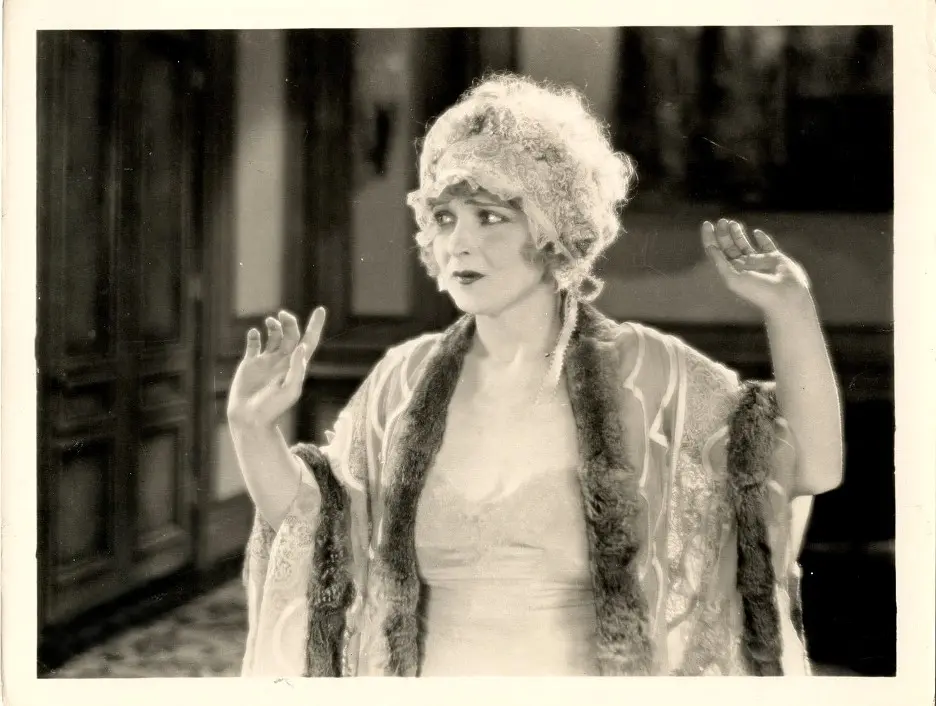
publicity
Comparing the cinematic DNA and archive impact of two defining moments in cult history.
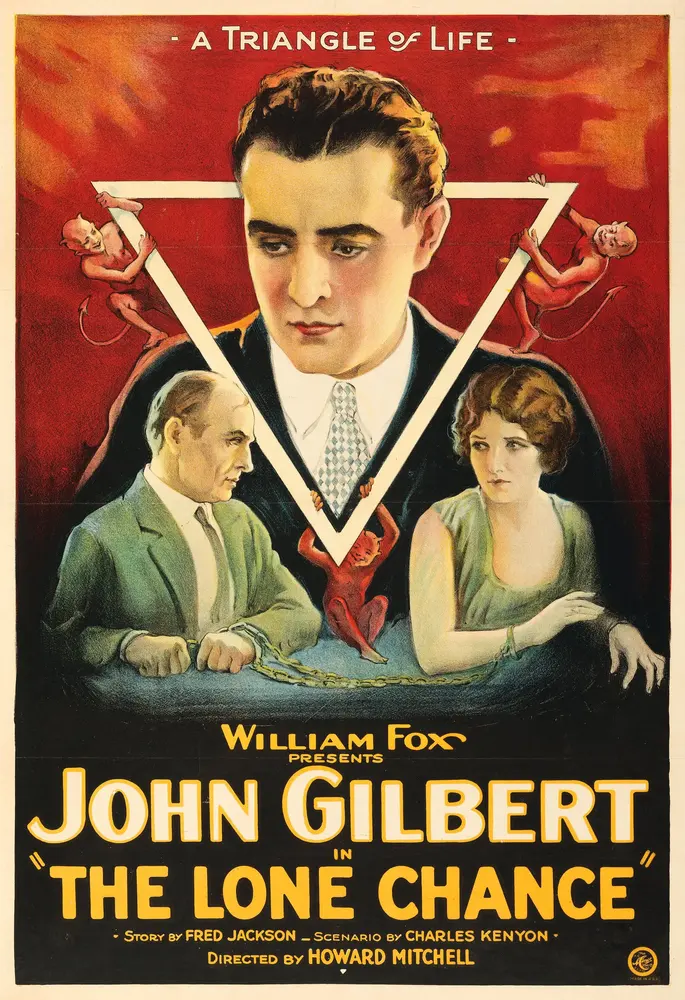
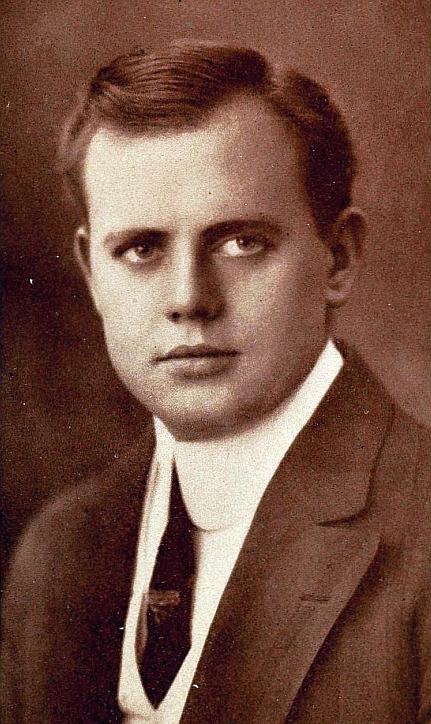
Howard M. Mitchell
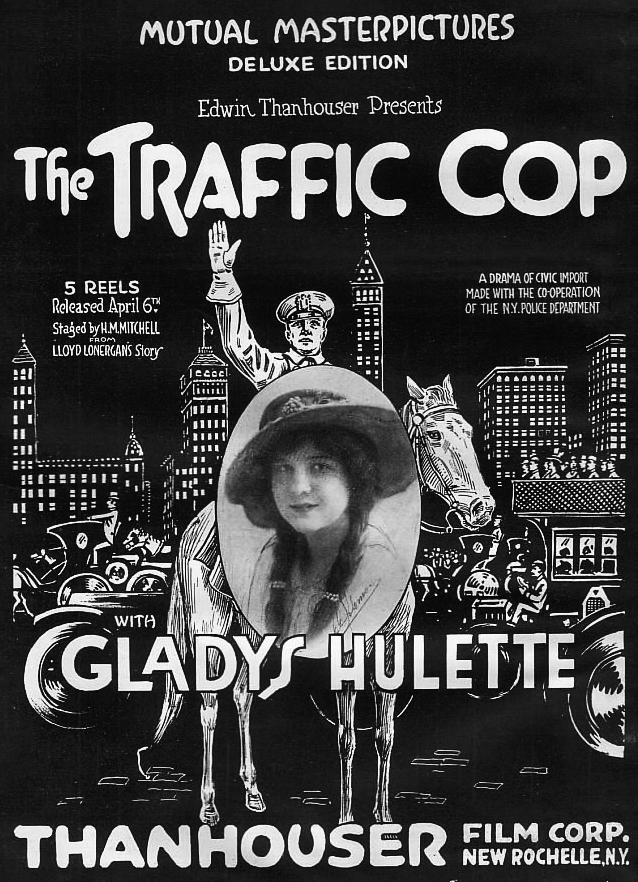
Howard M. Mitchell
Community
Log in to comment.
" A nickelodeon piano crashes into the first reel and already Molly and I has pawned its heart to contradiction: it is both a winsome fairy-tale of self-immolation and a scalding indictment of transactional intimacy, wrapped in the tissue paper of 1923 censorship. Director John Francis Dillon shoots the boardinghouse like a diorama of entrapment—ceilings squat at 7½ feet, gaslight puckers the wallpaper, every corridor ends in a mirror that refuses to flatter. Into this sepia aquarium swims Shirl..."
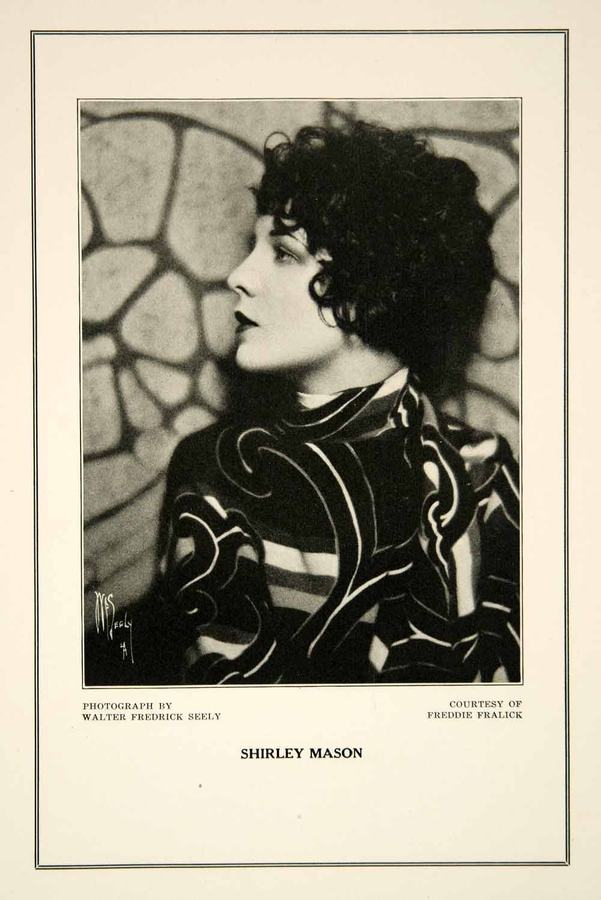
Shirley Mason
Isabel Johnston, Frank R. Adams
United States

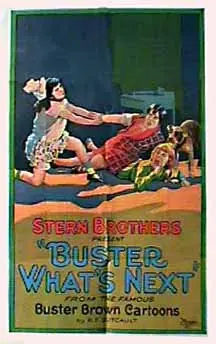
Deep dive into the cult classic
Discover similar cinematic experiences
A Directorial Spotlight on Howard M. Mitchell