
DbcultAccessing Vault...
Director's Spotlight
Senior Film Conservator
Director's Spotlight: United States
A Deep Dive into the 1917 Vision of Howard S. Moss
To understand the modern evolution of United States film, one must first look at The Dream Doll and the meticulous attention to detail that Howard S. Moss applied to every frame. Reflecting the political and social shifts of the 1917s, it showcases the power of cult as a tool for social commentary.
In The Dream Doll, Howard S. Moss pushes the boundaries of conventional narrative. The film's unique approach to its subject matter has sparked endless debates and interpretations among cinephiles and critics alike.
While deeply rooted in United States, The Dream Doll has achieved a global reach, influencing directors from various backgrounds. Its ability to translate cult tropes into a universal cinematic language is why it remains a cult staple decades after its 1917 release.
| Cinematography | Handheld |
| Soundtrack | Minimalist |
| Editing | Slow-Burn |
| Art Direction | Brutalist |
Visualizing the convergence of Howard S. Moss's style and the core cult narrative.
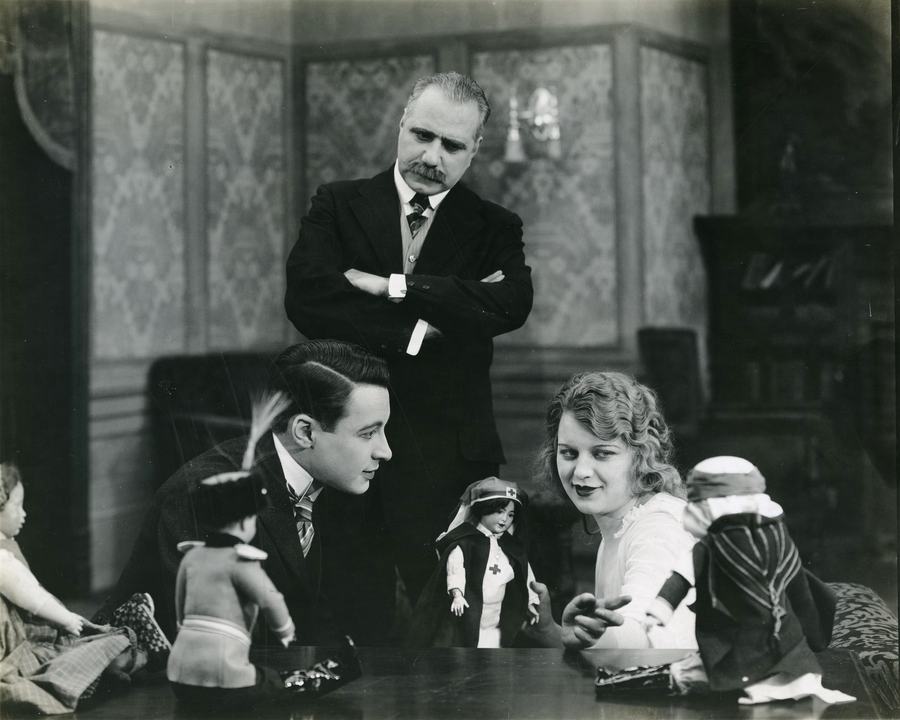
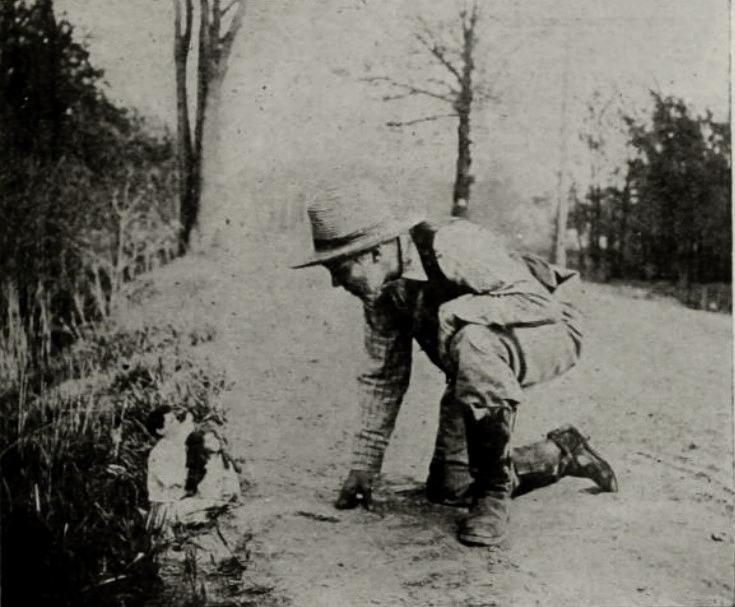
A cracked-brain chemist, appropriately named A. Knutt, in a big toy factory, claims the discovery of an elixir which will bring dolls to life. Ruby, the beautiful daughter of the toy king, overcome by the fumes of the fluid while the chemist is out summoning others to witness the work of his discovery. A doll the chemist has given life to seizes the elixir and pours it on Ruby. She is changed into a doll. Together the two leave the shop. The chemist, the toy king and Ruby's fiancé rush into the place and are horrified to find Ruby missing. They summon the police and a search is instituted. Meanwhile, the dolls journey to the display room of the factory, and with more elixir, bring a doll justice of the peace to life. He marries them and they speed off in a miniature automobile. After the honeymoon trip they select the kennel of Sherlock, the watchdog, as their home. The dog likes the dolls and keeps them supplied with food. Then, one evening, while strolling through the plant, they discover a bomb set by striking workingmen to destroy the building. The dolls realize their peril but it is too late to escape. The bomb explodes and Ruby comes to life. She is puzzled, then realizes that all was simply a dream, inspired by the ravings of the cracked-brain chemist.
Decades after its release, The Dream Doll remains a vital piece of the cinematic puzzle. Its influence can be seen in countless modern works, solidifying Howard S. Moss's status as a master of the craft in United States and beyond.