
DbcultAccessing Vault...
Director's Spotlight
Senior Film Conservator
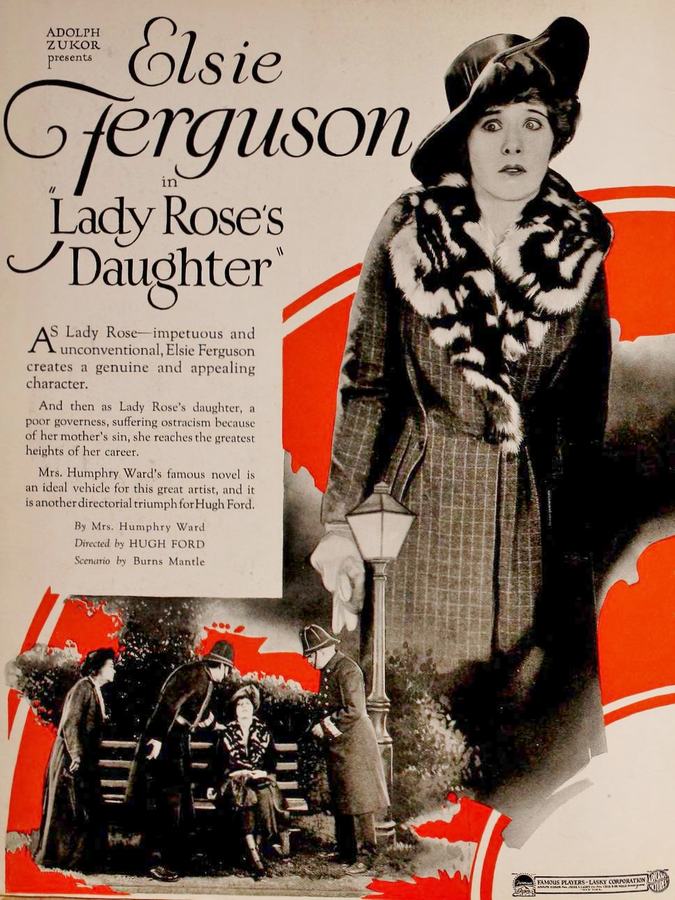
Director's Spotlight: United States
A Deep Dive into the 1920 Vision of Hugh Ford
When we examine the cinematic landscape of United States, Lady Rose's Daughter emerges as a landmark work of the unique directorial voice that Hugh Ford brought to the screen. This film stands as a masterclass in visual storytelling, it demands to be seen by anyone who cares about the art of film.
In Lady Rose's Daughter, Hugh Ford pushes the boundaries of conventional narrative. The film's unique approach to its subject matter has sparked endless debates and interpretations among cinephiles and critics alike.
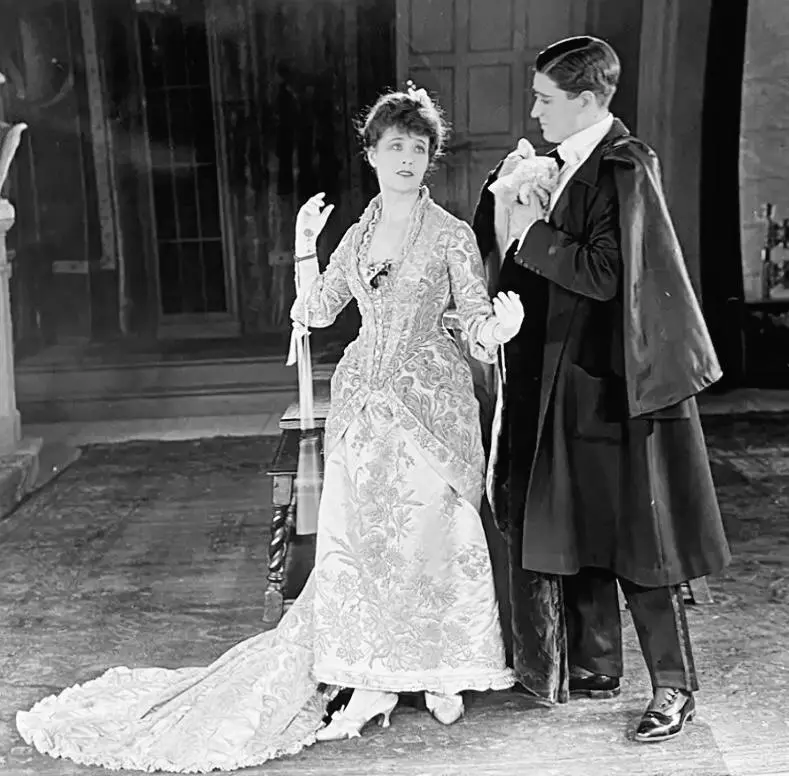
While deeply rooted in United States, Lady Rose's Daughter has achieved a global reach, influencing directors from various backgrounds. Its ability to translate Drama tropes into a universal cinematic language is why it remains a cult staple decades after its 1920 release.
| Cinematography | Static |
| Soundtrack | Diegetic |
| Editing | Elliptical |
| Art Direction | Expressionist |
Visualizing the convergence of Hugh Ford's style and the core Drama narrative.
Lady Maude elopes, then flees from her wicked husband. A generation later, her daughter, Lady Rose, follows the same fate. A generation later, we find Lady Rose's daughter, Julie le Breton, living along in a furnished room. Julie's aunt, Lady Henry, believes Julie is in need of guidance and invites the girl to move in with her. But once Julie moves in, Lady Henry constantly criticizes Julie about her predecessors' misfortunes. Lady Henry's nephew, Lord Delafield, falls for Julie, against his aunt's wishes. But Julie falls for Captain Warkworth, a rake who is having an affair with another woman. After Julie flees from her aunt's home, Warkworth invites her to spend the night with him. There, she discovers what a cad he really is. She wanders away, takes poison, and sits on a park bench, waiting to die. At the hospital, the police find Lord Delafield's card on her, and contact him. Delafield finds her and proposes marriage. The two live happily ever after.
Decades after its release, Lady Rose's Daughter remains a vital piece of the cinematic puzzle. Its influence can be seen in countless modern works, solidifying Hugh Ford's status as a master of the craft in United States and beyond.