
DbcultAccessing Vault...
Director's Spotlight
Senior Film Conservator
Director's Spotlight: United States
A Deep Dive into the 1917 Vision of Hugh Ford
The thematic gravity of The Slave Market (1917) is rooted in the historical context that Hugh Ford weaves into the cult fabric. Synthesizing the best elements of United States and international cinema, it highlights the importance of independent voices in United States.
In The Slave Market, Hugh Ford pushes the boundaries of conventional narrative. The film's unique approach to its subject matter has sparked endless debates and interpretations among cinephiles and critics alike.
| Cinematography | Handheld |
| Soundtrack | Orchestral |
| Editing | Slow-Burn |
| Art Direction | Brutalist |
Visualizing the convergence of Hugh Ford's style and the core cult narrative.
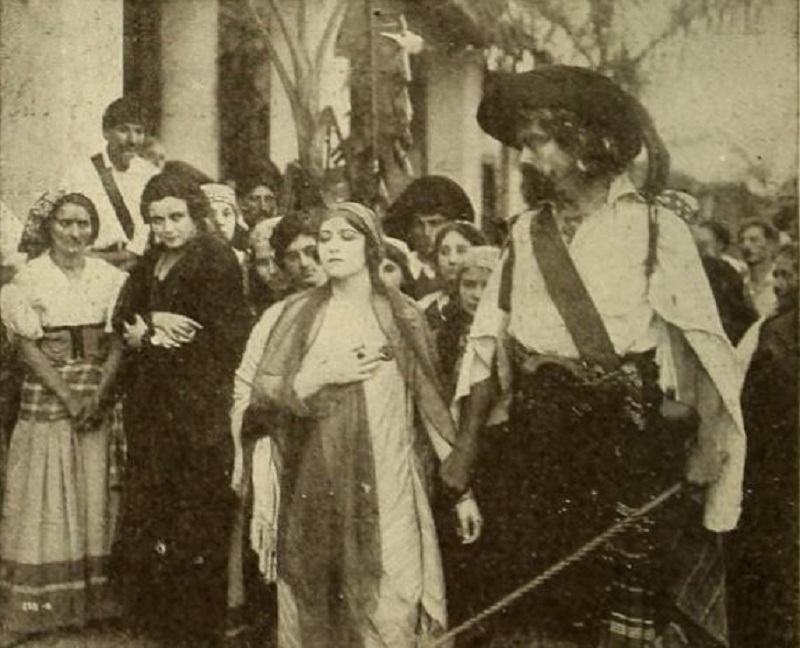
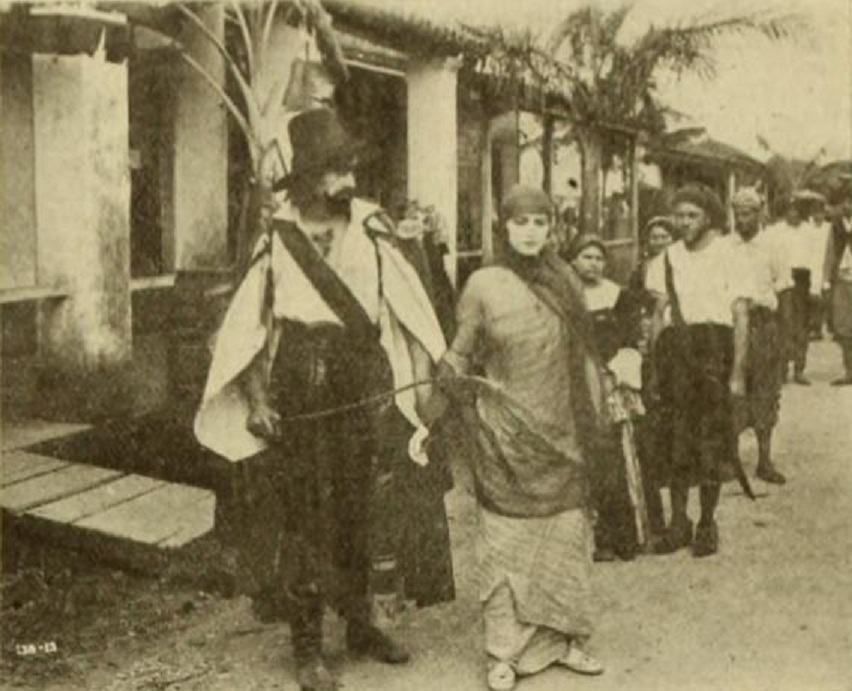
Ramona is the daughter of the governor of Port Royal. She is a school girl living in Spain. John Barton, a soldier of fortune, is cast ashore in Spain penniless and scrapes an acquaintance with Ramona by rescuing one of her pets. He is putting up at a rather questionable tavern where he learns of a huge treasure buried by Firebrand, a pirate, and secures plans of the spot in which it is concealed. Ramona sails for Port Royal and Barton is on the same ship. Firebrand attacks the ship and captures as part of his booty Ramona, whom he appropriates for himself after Barton has been knocked overboard in her defense. Until the acquisition of Ramona, Firebrand's favorite has been Anna, who now becomes jealous of the Spanish beauty. After attempting to make Ramona accept his attentions peacefully, Firebrand vents his wrath upon her and orders her confined in one of his cabins. Barton, recovering from his injuries sufficiently to make his way ashore, stumbles upon the cabin in which Ramona is a prisoner but the jealous Anna discovers him and informs Firebrand of the supposed duplicity of his new favorite. The pirate chief rushes to the cabin and when he attempts to force his attentions upon Ramona she kills him. Anna denounces Ramona as the culprit and, in a fit of vengeance, suggests that Ramona be sold as a slave in the public market. Her rare beauty causes lively bidding among the men who attend the sale. Meanwhile Barton has gone in search of the buried treasure and has found it. He has bought a horse on which he comes in search of Ramona, only to find her on the slave block, with a horde of men frantically bidding for her. Plunging into the crowd, he fights his way to the front and forces the bidding until, after a soul-stirring scene, he succeeds in vanquishing his rivals, and rides off triumphant in search of a minister.
Decades after its release, The Slave Market remains a vital piece of the cinematic puzzle. Its influence can be seen in countless modern works, solidifying Hugh Ford's status as a master of the craft in United States and beyond.