
DbcultAccessing Vault...
Director's Spotlight
Senior Film Conservator
Director's Spotlight: United States
A Deep Dive into the 1917 Vision of Hugo Ballin
In the grand tapestry of cult cinema, Baby Mine serves as a bridge between the bold experimentation that has become synonymous with Hugo Ballin. Breaking the traditional rules of cult engagement, it highlights the importance of independent voices in United States.
In Baby Mine, Hugo Ballin pushes the boundaries of conventional narrative. The film's unique approach to its subject matter has sparked endless debates and interpretations among cinephiles and critics alike.
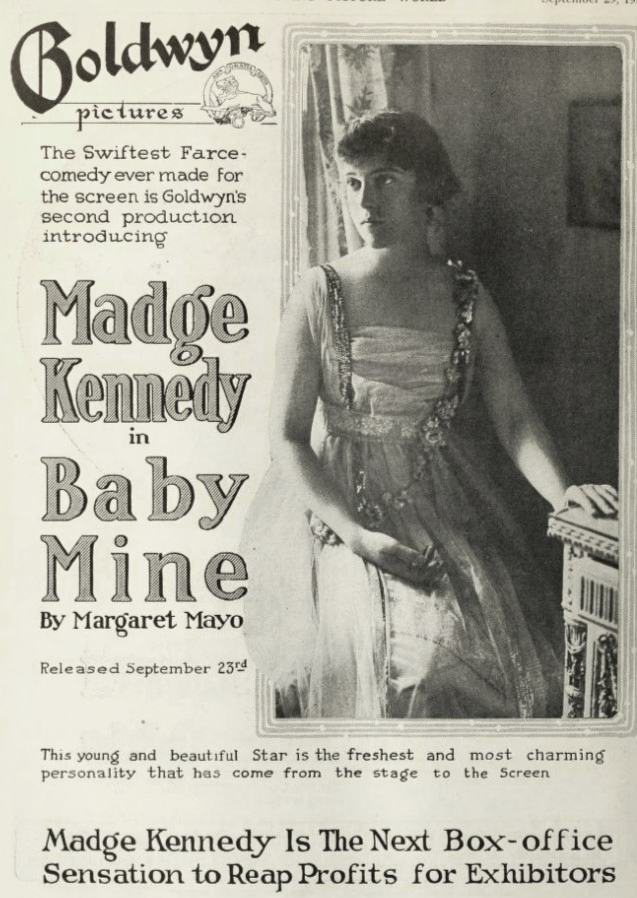
While deeply rooted in United States, Baby Mine has achieved a global reach, influencing directors from various backgrounds. Its ability to translate cult tropes into a universal cinematic language is why it remains a cult staple decades after its 1917 release.
| Cinematography | Handheld |
| Soundtrack | Synth-Heavy |
| Editing | Rhythmic |
| Art Direction | Naturalist |
Visualizing the convergence of Hugo Ballin's style and the core cult narrative.
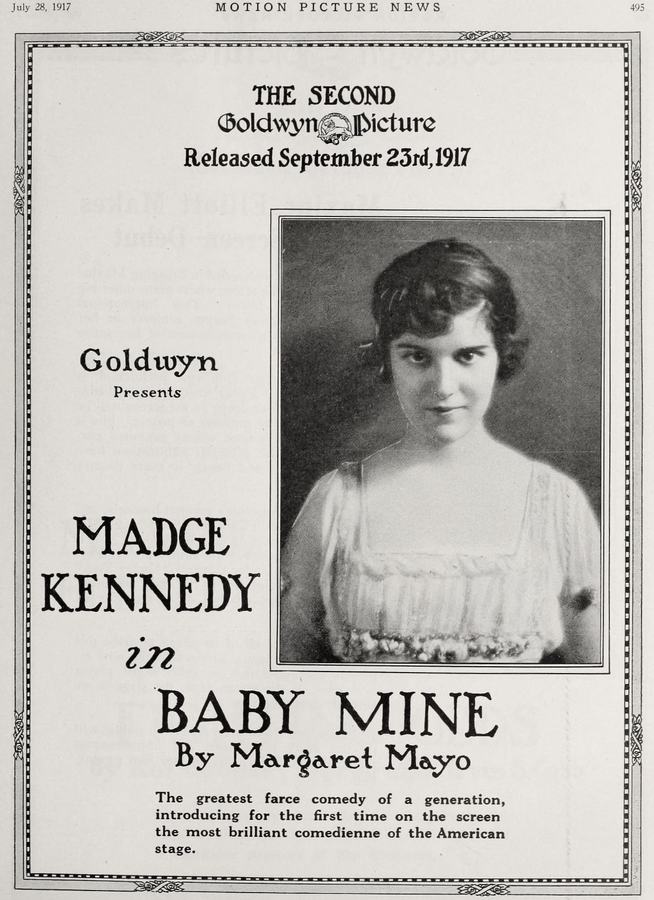
Frivolous young Zoie, exasperates her husband Alfred with her lack of interest in domestic affairs and inability to tell the truth. After a quarrel, Alfred leaves for Boston and Zoie, disconsolate, is consoled by her good friend Aggie. Aggie suggests that, as Alfred wants a baby, Zoie should adopt one for him. Fascinated with the idea, Zoie sets out for the hospital where she arranges to buy a baby and then wires Alfred that he is about to become a father. Jimmie, Aggie's obedient husband, is dispatched to fetch the infant, but he discovers that the mother now refuses to part with her child. With Alfred expected at any moment, Jimmie is ordered to procure a child, and so he orders a set of twins and then steals a baby from the hospital. When Alfred arrives, he finds himself confronted with a parade of babies and learns of his wife's deception when the infants' parents appear to claim them. However, all ends happily when Zoie promises to tell Alfred the real truth.
Decades after its release, Baby Mine remains a vital piece of the cinematic puzzle. Its influence can be seen in countless modern works, solidifying Hugo Ballin's status as a master of the craft in United States and beyond.