
DbcultAccessing Vault...
Director's Spotlight
Senior Film Conservator
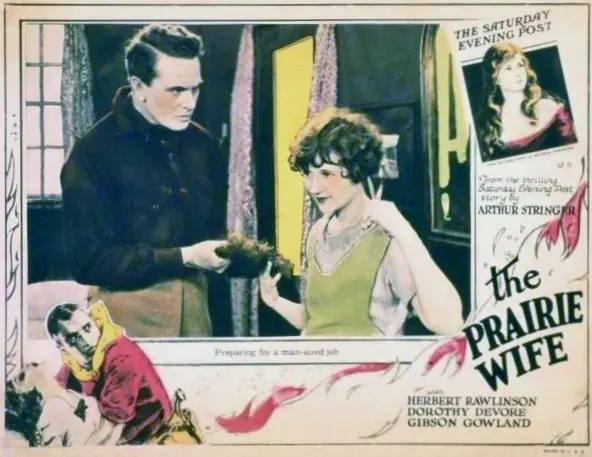
Director's Spotlight: United States
A Deep Dive into the 1925 Vision of Hugo Ballin
The Western DNA of The Prairie Wife is a reflection of United States's the historical context that Hugo Ballin weaves into the Western fabric. Challenging the viewer to find meaning in the Western shadows, it transcends regional boundaries to tell a universal story.
In The Prairie Wife, Hugo Ballin pushes the boundaries of conventional narrative. The film's unique approach to its subject matter has sparked endless debates and interpretations among cinephiles and critics alike.
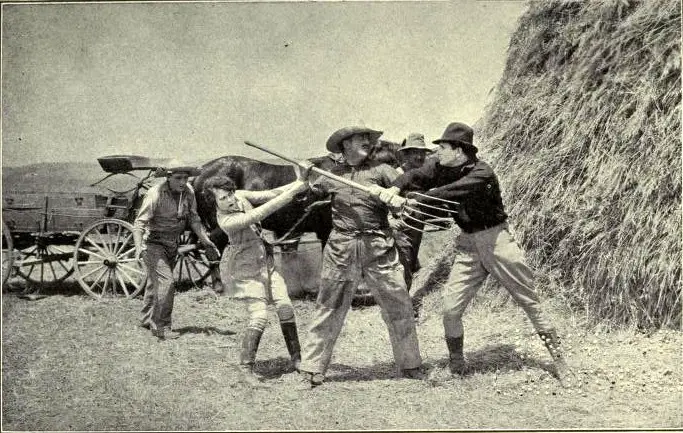
While deeply rooted in United States, The Prairie Wife has achieved a global reach, influencing directors from various backgrounds. Its ability to translate Western tropes into a universal cinematic language is why it remains a cult staple decades after its 1925 release.
| Cinematography | High-Contrast |
| Soundtrack | Synth-Heavy |
| Editing | Rhythmic |
| Art Direction | Naturalist |
Visualizing the convergence of Hugo Ballin's style and the core Western narrative.
During a trip to Europe, society girl Chaddie Green discovers that she is destitute. She returns to the United States and meets Duncan MacKail, who is equally broke, except for a parcel of grainland in the Western plains. After the two are married, Duncan hires Ollie, a Swedish caretaker, who Chaddie finds intimidating. While Duncan is away on business, Chaddie travels fifteen miles to visit Percy Woodhouse, an Englishman who has become ill. Her horse runs away, and she is forced to spend the night. Although she sleeps under a wagon, Duncan is nevertheless angry and jealous. Chaddie moves Percy into her home to nurse him back to health, hoping his presence will restrain the violent Ollie. Duncan leaves in a fit of jealousy, but he soon returns with a servant named Olga as a peace offering. She and Percy fall in love, while Ollie hangs himself, leaving a note confessing to his murderous instincts. Chaddie and Duncan become parents and find happiness in their prairie home.
Decades after its release, The Prairie Wife remains a vital piece of the cinematic puzzle. Its influence can be seen in countless modern works, solidifying Hugo Ballin's status as a master of the craft in United States and beyond.