
DbcultAccessing Vault...
Director's Spotlight
Senior Film Conservator
Director's Spotlight: United States
A Deep Dive into the 1917 Vision of Ida May Park
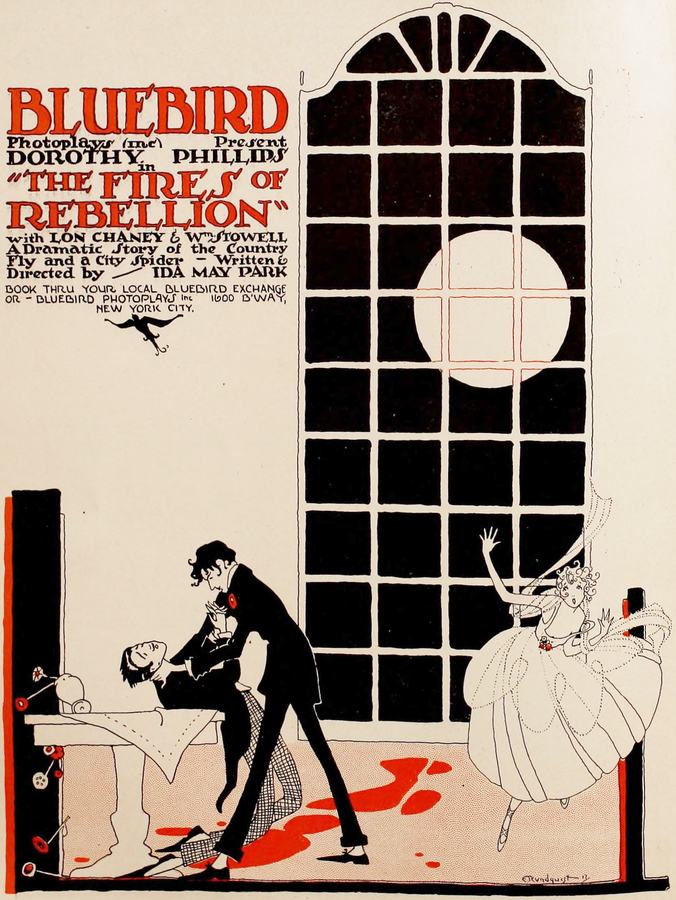
Few works in United States cinema carry the same weight as Fires of Rebellion, especially regarding the technical innovation that Ida May Park introduced to the cult format. Subverting the expectations of the typical 1917 audience, it bridges the gap between traditional cult and contemporary vision.
In Fires of Rebellion, Ida May Park pushes the boundaries of conventional narrative. The film's unique approach to its subject matter has sparked endless debates and interpretations among cinephiles and critics alike.
| Cinematography | Noir-Inspired |
| Soundtrack | Orchestral |
| Editing | Slow-Burn |
| Art Direction | Brutalist |
Visualizing the convergence of Ida May Park's style and the core cult narrative.
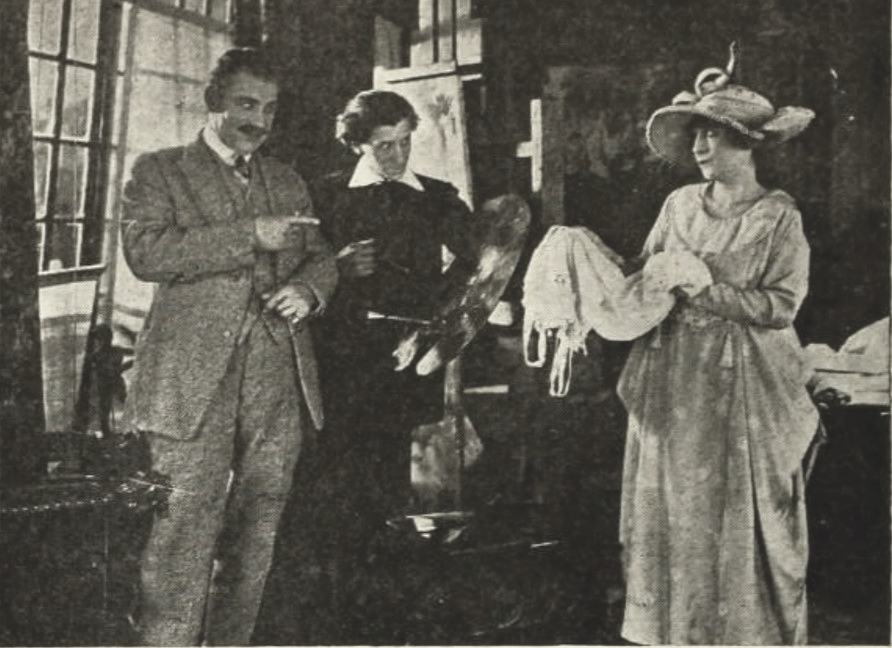
Dreading the drab and loveless factory life that she sees all around her, Madge Garvey refuses the marriage proposal of factory foreman John Blake, a rough but honest man, fearing that he will degenerate into the brutal drunk that her father Joe has become. Instead, Madge takes stenographer Cora Hayes' advice and seeks work in the big city. Arriving in the city, Madge accepts a job as a model for women's underwear but is shocked at the brevity of the garments as well as the duties expected of her beyond those of posing. Only Blake's timely arrival preserves her innocence, and after the foreman proves that he can be loving, Madge agrees to loving him.
Decades after its release, Fires of Rebellion remains a vital piece of the cinematic puzzle. Its influence can be seen in countless modern works, solidifying Ida May Park's status as a master of the craft in United States and beyond.