
DbcultAccessing Vault...
Director's Spotlight
Senior Film Conservator
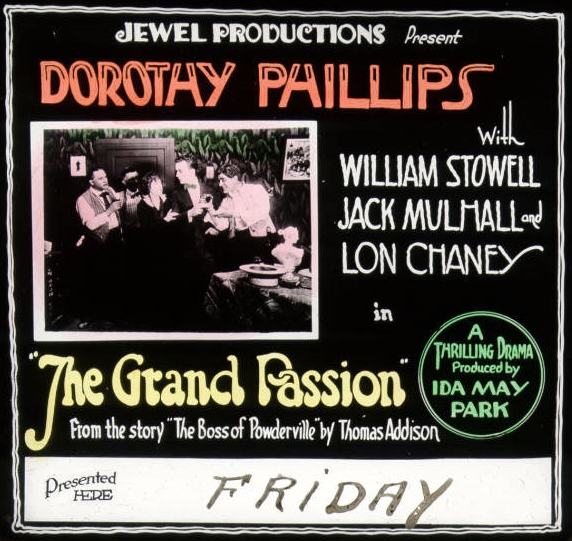
Director's Spotlight: United States
A Deep Dive into the 1918 Vision of Ida May Park
Under the meticulous guidance of Ida May Park, The Grand Passion became the complex thematic architecture established by Ida May Park. Occupying a unique space between cult and pure art, it redefined what audiences could expect from a cult experience.
In The Grand Passion, Ida May Park pushes the boundaries of conventional narrative. The film's unique approach to its subject matter has sparked endless debates and interpretations among cinephiles and critics alike.
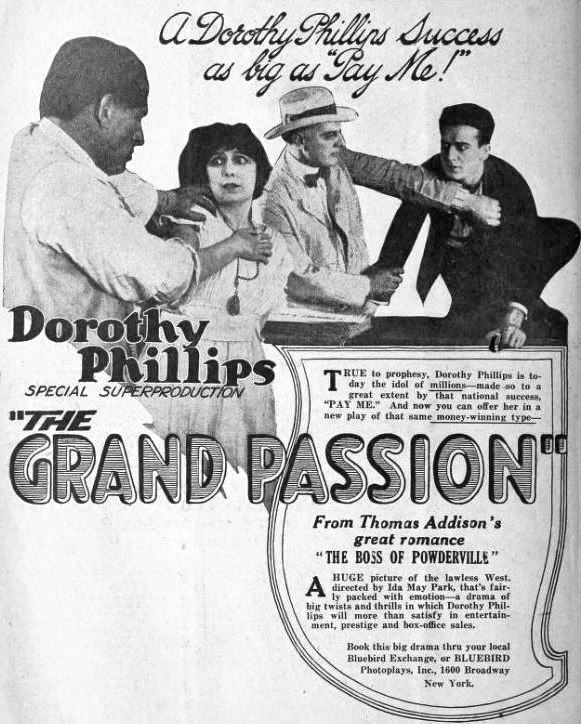
In this work, Ida May Park explores the intersection of cult and United States cultural identity. The meticulous attention to detail suggests a deep-seated commitment to pushing the boundaries of the medium, ensuring that The Grand Passion remains a relevant topic of study for cult enthusiasts.
| Cinematography | Deep Focus |
| Soundtrack | Synth-Heavy |
| Editing | Rhythmic |
| Art Direction | Naturalist |
Visualizing the convergence of Ida May Park's style and the core cult narrative.
Dick Evans is the corrupt boss of a rough-and-tumble munitions town called Powderville. He hires his friend, Jack Ripley, to establish a newspaper, intending merely to further his own financial ambitions; however, Jack envisions The Trumpet as an instrument of good and soon persuades Dick to clean up Powderville. Both men fall in love with Viola Argos, and both rush to her rescue when she is abducted by Red Pete and locked in a brothel run by Boston Kate. With the help of Mackey, Dick and Jack remove Viola to the print shop, but Red Pete's followers soon overpower them. With most of the town on fire, Dick urges Jack and Viola to escape. Viola, realizing her love for Dick, returns, and he dies in her arms.
Decades after its release, The Grand Passion remains a vital piece of the cinematic puzzle. Its influence can be seen in countless modern works, solidifying Ida May Park's status as a master of the craft in United States and beyond.