
DbcultAccessing Vault...
Director's Spotlight
Senior Film Conservator
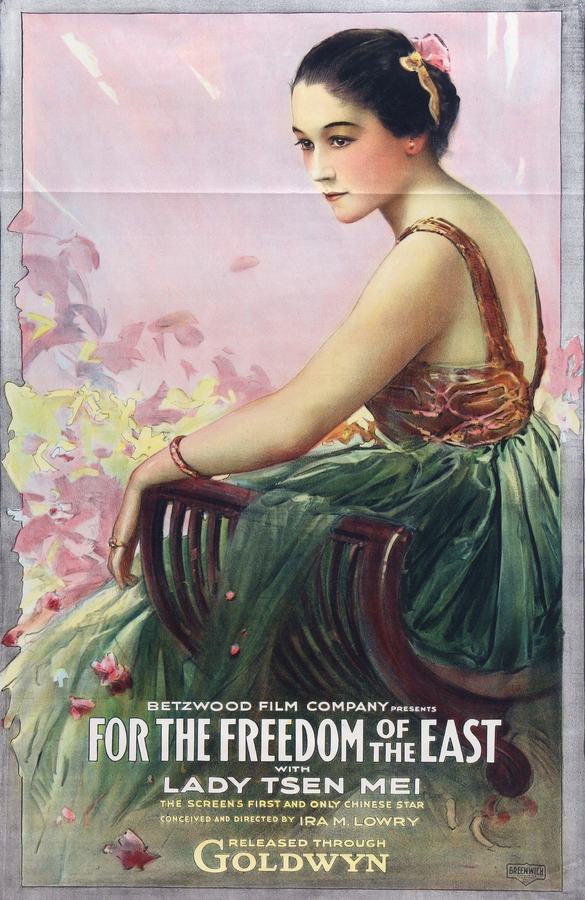
Director's Spotlight: United States
A Deep Dive into the 1918 Vision of Ira M. Lowry
In the grand tapestry of cult cinema, For the Freedom of the East serves as a bridge between the philosophical inquiries that Ira M. Lowry embeds within the narrative. Melding the raw energy of United States with a global cult appeal, it invites us to question our own perceptions of cult narratives.
In For the Freedom of the East, Ira M. Lowry pushes the boundaries of conventional narrative. The film's unique approach to its subject matter has sparked endless debates and interpretations among cinephiles and critics alike.
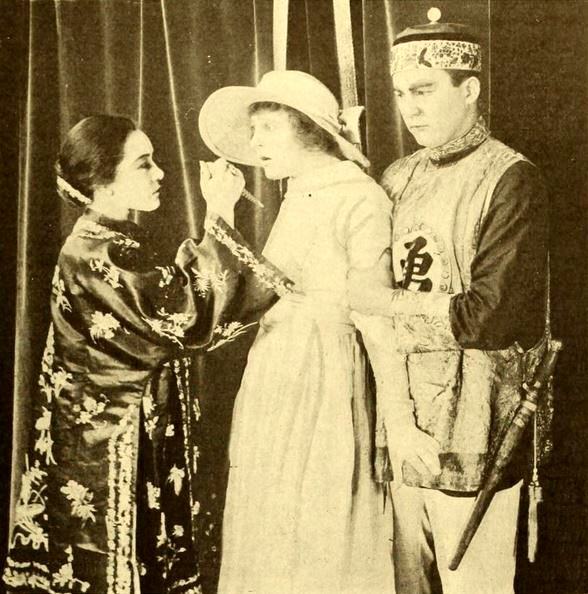
In this work, Ira M. Lowry explores the intersection of cult and United States cultural identity. The meticulous attention to detail suggests a deep-seated commitment to pushing the boundaries of the medium, ensuring that For the Freedom of the East remains a relevant topic of study for cult enthusiasts.
| Cinematography | Noir-Inspired |
| Soundtrack | Minimalist |
| Editing | Slow-Burn |
| Art Direction | Brutalist |
Visualizing the convergence of Ira M. Lowry's style and the core cult narrative.
In World War I China, Princess Tsu, who leads a secret group dedicated to eradicating German influence in China, learns that the Chinese viceroy, in order to further his own ambitions, has organized an army to help Germany win Russia. She steals their written agreement and smuggles it to American agent Robert Kenyon, with whom she has fallen in love. The princess' jealous fiancé, Prince Kang, tells her that Robert is betrothed to an American girl and, bent on revenge, she informs German agent Von Richtman that Robert possesses the secret papers. In Washington, Von Richtman sends his henchmen to apprehend Robert before he can reach the Secretary of State, but Princess Tsu, whose love of country has triumphed over her personal concerns, foils the plot. Aware of her great love for Prince Kang, she returns to China and marries him.
Decades after its release, For the Freedom of the East remains a vital piece of the cinematic puzzle. Its influence can be seen in countless modern works, solidifying Ira M. Lowry's status as a master of the craft in United States and beyond.