
DbcultAccessing Vault...
Director's Spotlight
Senior Film Conservator
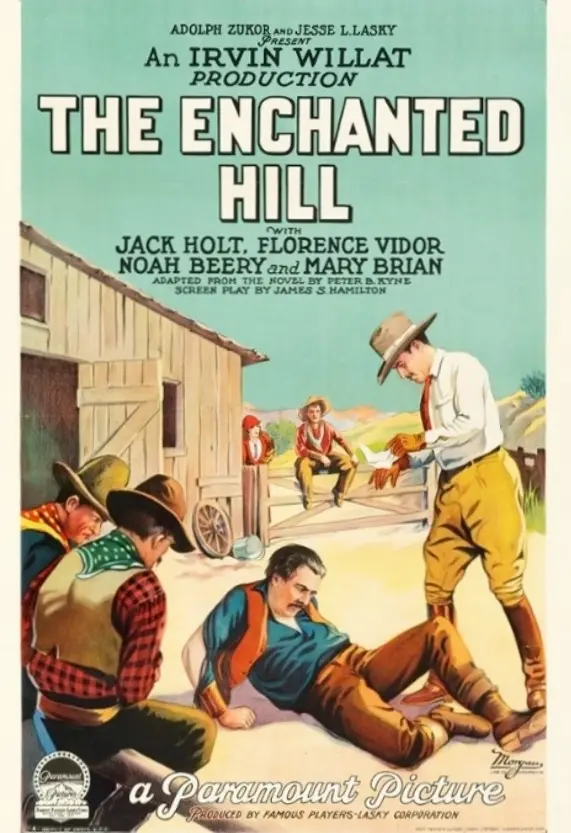
Director's Spotlight: United States
A Deep Dive into the 1926 Vision of Irvin Willat
When we examine the cinematic landscape of United States, The Enchanted Hill emerges as a landmark work of the enduring legacy of Irvin Willat's artistic contribution to the genre. Through a lens of existential fatalism and Western tropes, it captures a specific kind of cinematic magic that is rarely replicated.
In The Enchanted Hill, Irvin Willat pushes the boundaries of conventional narrative. The film's unique approach to its subject matter has sparked endless debates and interpretations among cinephiles and critics alike.
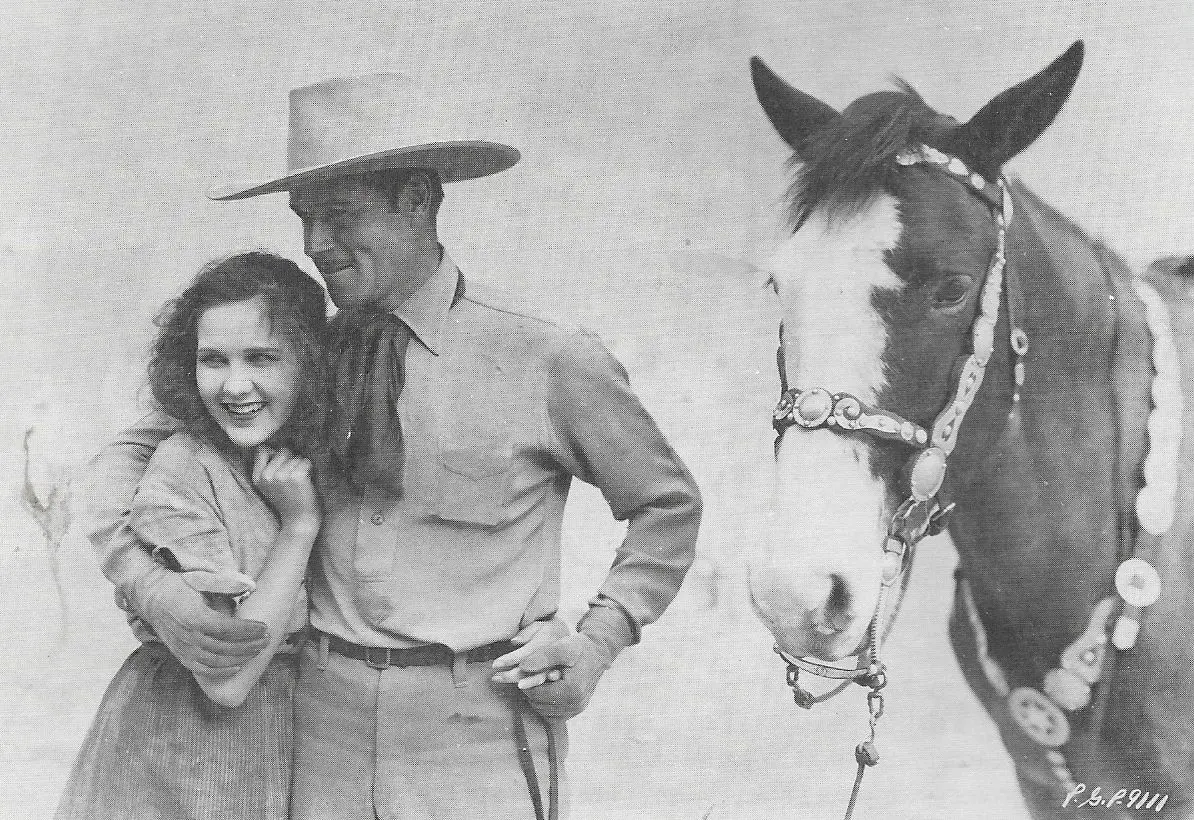
To fully appreciate The Enchanted Hill, one must consider the cinematic climate of 1926. During this period, United States was undergoing significant artistic shifts, and Irvin Willat was at the forefront of this Western movement, often challenging established norms.
| Cinematography | Noir-Inspired |
| Soundtrack | Orchestral |
| Editing | Slow-Burn |
| Art Direction | Brutalist |
Visualizing the convergence of Irvin Willat's style and the core Western narrative.
Lee Purdy, the owner of a ranch on "Enchanted Hill," is subjected to repeated attacks by unknown assailants. He meets Gail Ormsby, the owner of the neighboring Box K Ranch, and the two are immediately attracted to each other. Ira Todd, Gail's crooked foreman, fills her head with lies about Lee, whom she unjustly comes to hate. In a pitched battle between the men from Enchanted Hill and those from the Box K, Todd's men are routed. Lee then learns that Todd (in league with a banker who knows that there is gold on Lee's land) has attempted to frighten him off by means of the repeated attacks. The law steps in, and Lee and Gail renew their courtship.
Decades after its release, The Enchanted Hill remains a vital piece of the cinematic puzzle. Its influence can be seen in countless modern works, solidifying Irvin Willat's status as a master of the craft in United States and beyond.