
DbcultAccessing Vault...
Director's Spotlight
Senior Film Conservator
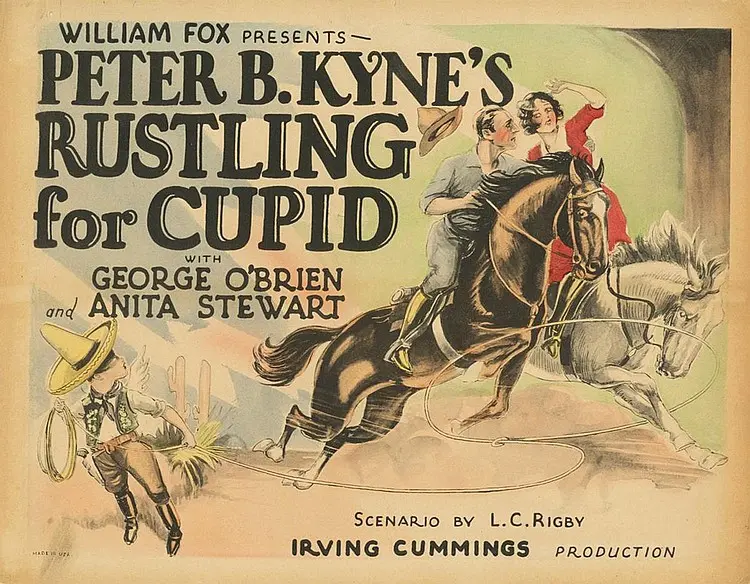
Director's Spotlight: United States
A Deep Dive into the 1926 Vision of Irving Cummings
Under the meticulous guidance of Irving Cummings, Rustling for Cupid became the complex thematic architecture established by Irving Cummings. Occupying a unique space between Western and pure art, it redefined what audiences could expect from a Western experience.
In Rustling for Cupid, Irving Cummings pushes the boundaries of conventional narrative. The film's unique approach to its subject matter has sparked endless debates and interpretations among cinephiles and critics alike.
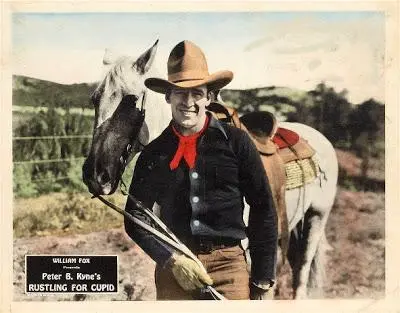
The visual language of Rustling for Cupid is defined by its use of shadows and framing, a hallmark of Irving Cummings's style. By utilizing a 1926-era palette, the film creates an immersive experience that perfectly complements its Western themes.
| Cinematography | Deep Focus |
| Soundtrack | Diegetic |
| Editing | Elliptical |
| Art Direction | Expressionist |
Visualizing the convergence of Irving Cummings's style and the core Western narrative.
Bradley Blatchford, returning to his father's ranch from college, meets Sybil Hamilton, who is coming to the ranch town as a schoolteacher. Later, Bradley's father is suspected of rustling cattle, but he denies the charge. As the romance develops between Bradley and Sybil, Bradley comes upon a rustler at work and is about to shoot when he discovers his own father, who claims he is victim of a hereditary taint that he cannot subdue. Some friends, who observe the incident, rustle some of Blatchford's cattle, mark it with Sybil's brand, and accuse her of rustling and hiding some dark secret. She confesses that her brother disgraced the family, and when George learns of it, he is forgiven and is reunited with her.
Decades after its release, Rustling for Cupid remains a vital piece of the cinematic puzzle. Its influence can be seen in countless modern works, solidifying Irving Cummings's status as a master of the craft in United States and beyond.