
DbcultAccessing Vault...
Director's Spotlight
Senior Film Conservator
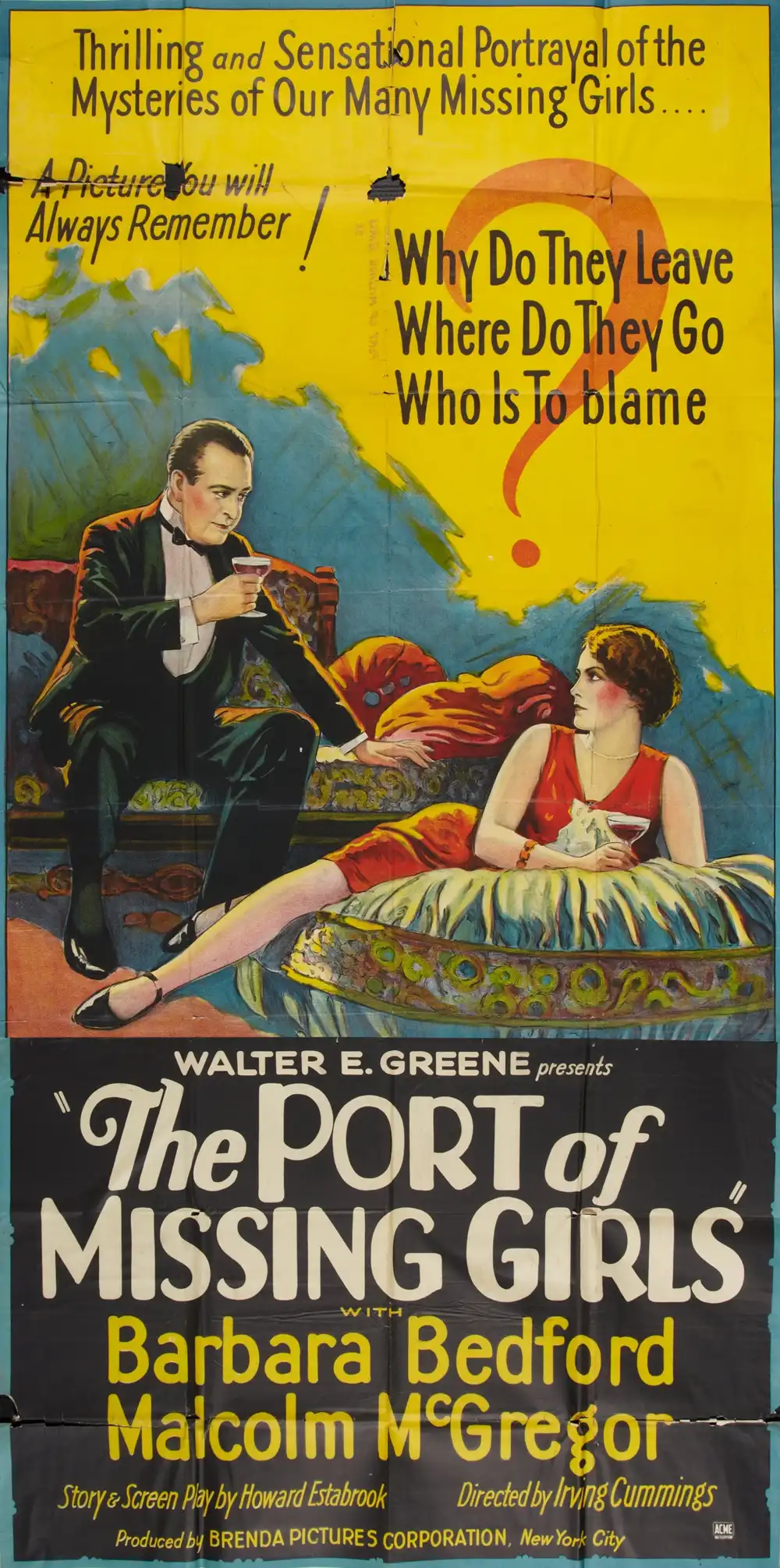
Director's Spotlight: United States
A Deep Dive into the 1928 Vision of Irving Cummings
Under the meticulous guidance of Irving Cummings, The Port of Missing Girls became the cultural zeitgeist captured so perfectly by Irving Cummings in 1928. Driven by an uncompromising commitment to Drama excellence, it remains a vital reference point for anyone studying the evolution of Irving Cummings.
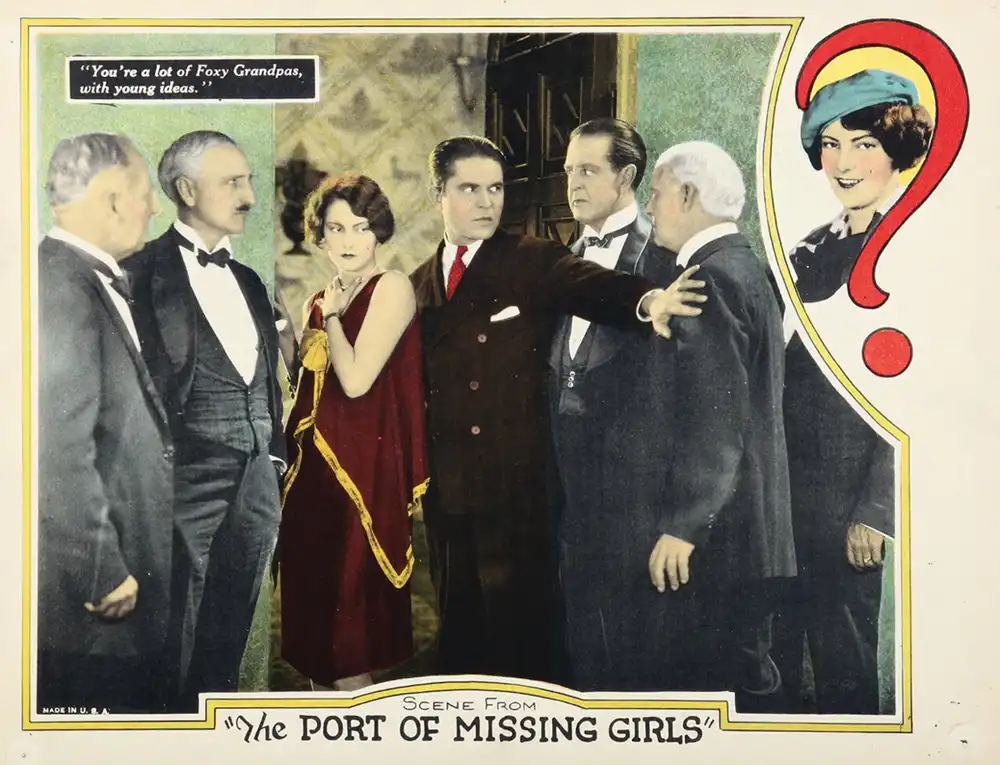
In The Port of Missing Girls, Irving Cummings pushes the boundaries of conventional narrative. The film's unique approach to its subject matter has sparked endless debates and interpretations among cinephiles and critics alike.
| Cinematography | Noir-Inspired |
| Soundtrack | Diegetic |
| Editing | Elliptical |
| Art Direction | Expressionist |
Visualizing the convergence of Irving Cummings's style and the core Drama narrative.
Neglected by her moneyed parents and disillusioned with her boyfriend (Buddie Larkins, a bootlegger and philanderer), aspiring vocalist Ruth King joins a school for stage and fancy dancing, thus playing into the hand of DeLeon, its owner, who encourages students to live on the premises hoping to lure them into compromising situations. Buddie delivers a liquor order to the school hotel and discovers Ruth there. King, a lawyer, learns that DeLeon is responsible for the suicide of the daughter of one of his clients, Mrs. Blane. He and Buddie effect DeLeon's arrest and bring Ruth back home.
Decades after its release, The Port of Missing Girls remains a vital piece of the cinematic puzzle. Its influence can be seen in countless modern works, solidifying Irving Cummings's status as a master of the craft in United States and beyond.